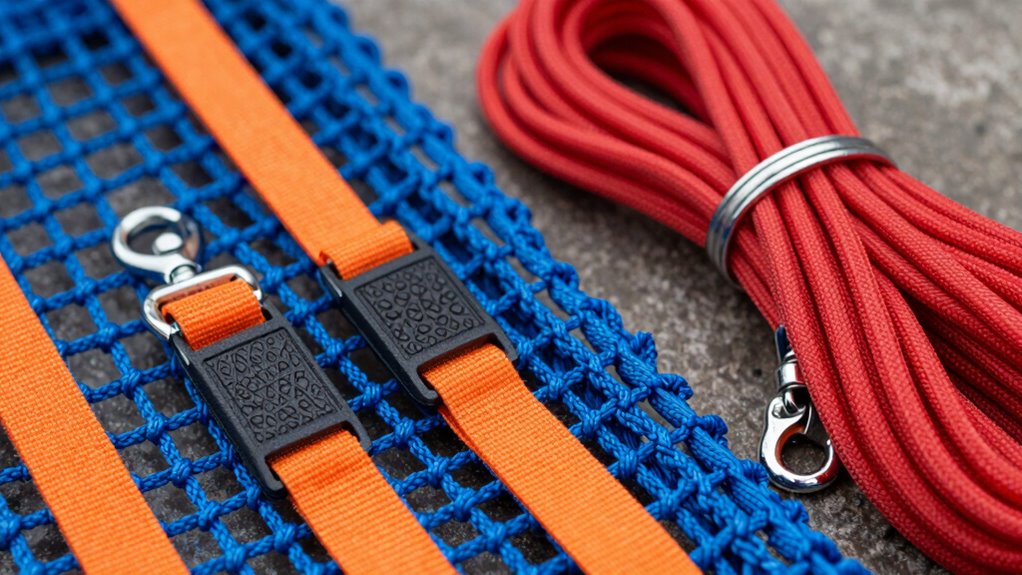

When comparing cargo nets, straps, and bungees for safety, cargo nets offer the best load distribution, reducing shifting and providing cushioning, making them ideal for heavy or bulky items. Straps are strong and adjustable, giving precise tension for heavier loads, while bungees are quick and flexible but best suited for lighter, temporary tasks. To guarantee maximum safety and cargo security, understanding how each method works is essential—continue to discover more helpful tips.
Key Takeaways
- Cargo nets offer even load distribution and are ideal for irregular or bulky loads, enhancing overall security and safety.
- Straps provide high restraint tension with quick adjustments, suitable for heavy, focused loads requiring precise control.
- Bungees are best for light, temporary securing tasks but have lower durability and less stability for heavy or long-term loads.
- Proper tensioning, inspection, and selection based on load type are critical for safety with all securing methods.
- Combining methods and using padding or cushioning can improve shock absorption and protect fragile loads during transit.
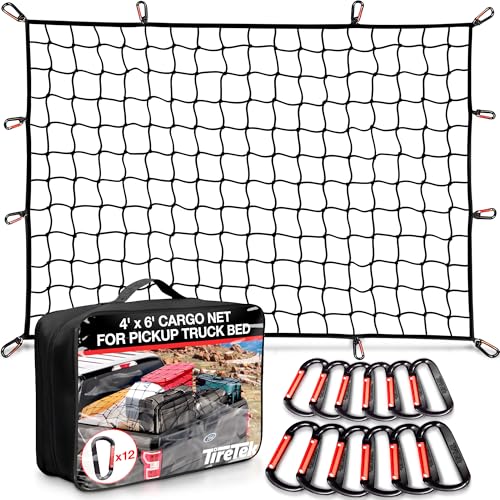
Cargo Net for Pickup Truck Bed (4'x6' Stretches to 8'x12') Double Thick Heavy Duty Pickup Truck Bed Organizer Accessories – 12 Metal Carabiners, Bungee Mesh Accessory with Strap Hooks
Heavy duty cargo net – Extra thick 5 mm LATEX CORE bungee webbing, 4'x6' bungee cargo net stretches…
As an affiliate, we earn on qualifying purchases.
As an affiliate, we earn on qualifying purchases.
What Are the Differences Between Cargo Nets, Straps, and Bungees?
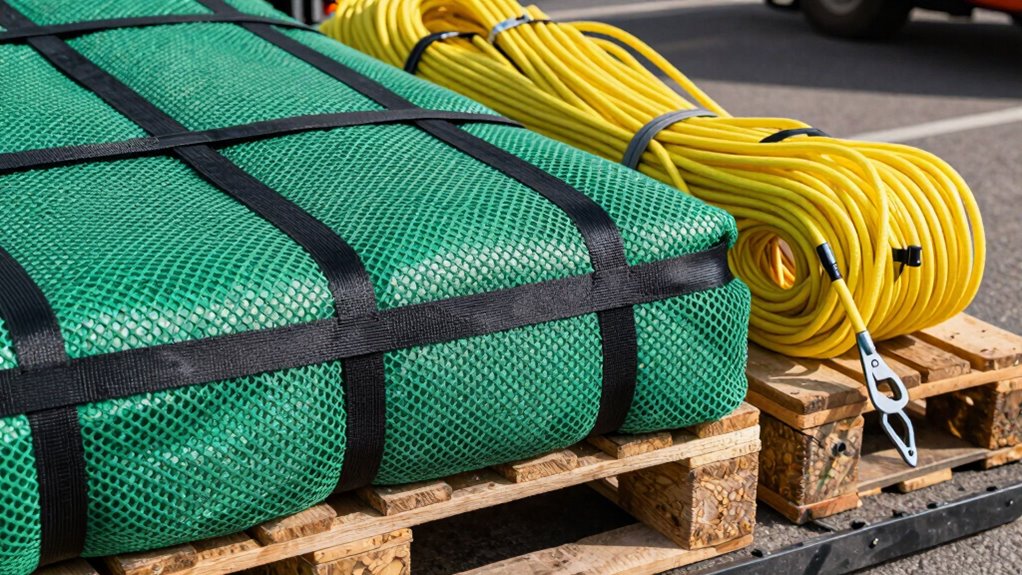
While cargo nets, straps, and bungees all serve to secure loads, they differ markedly in design and application. Cargo nets are ideal for covering large cargo types, providing even load distribution across uneven surfaces. They distribute tension over a broad area, reducing pressure points and minimizing shifting. Straps, typically made of strong woven materials, are adjustable and suitable for securing specific cargo shapes and sizes. They focus tension along their length, offering direct load control. Bungees, with their elastic properties, are perfect for quick, light securing tasks, absorbing shocks and vibrations. Each method influences how load distribution is managed: nets spread force evenly, straps tighten specific points, while bungees adapt to dynamic movements. Understanding these differences helps you choose the right securing method for your cargo. Additionally, the material properties of each securing method determine their suitability for different environmental conditions.
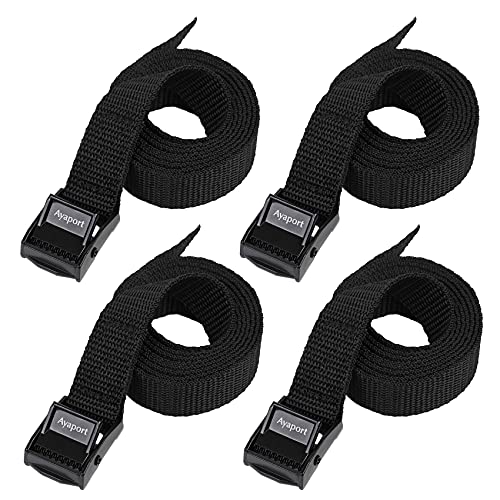
Ayaport Lashing Straps with Buckles Adjustable Cam Buckle Tie Down Cinch Strap for Packing Black 4 Pack
LIGHTWEIGHT BUT STURDY. Made from unique cam buckles and strong brine yarn webbing, these lashing tie down straps…
As an affiliate, we earn on qualifying purchases.
As an affiliate, we earn on qualifying purchases.
Which Cargo Securing Method Is Strongest and Most Durable?

When comparing cargo nets, straps, and bungees in regards to strength and durability, it’s important to take into account the materials and construction behind each method. Cargo nets often feature a grid of durable webbing or mesh that distributes load evenly, enhancing overall strength. Straps, typically made from reinforced nylon or polyester, provide high restraint tension, allowing you to tighten and secure loads firmly. Bungees rely on elastic cords that stretch under tension, which can weaken over time and reduce durability. Overall, straps generally offer the best balance of load distribution and restraint tension, making them the strongest and most durable option. Cargo nets come close with their even load spreading, but bungees tend to be less reliable for heavy or critical cargo. Additionally, understanding the materials used in these securing methods can help determine their longevity and safety in different conditions. Recognizing the wear and tear that occurs over time can further inform the choice of the most suitable securing method for various applications. Moreover, considering the application environment can influence which method will perform best under specific weather or operational stresses. Being aware of maintenance requirements can also extend the lifespan and safety of these securing tools in various settings.
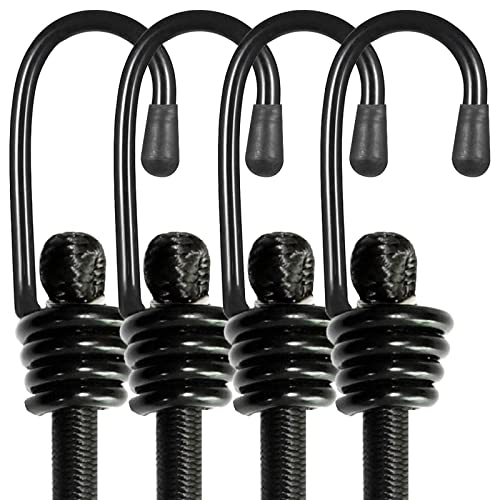
BEXSLE Bungee Cords with Hooks, Heavy Duty Outdoor Elastic Bungee Straps,No Odour Industrial Grade Bungee Rope for Securing Tarps, Luggage, Tents, Bikes or Garden Tidying 24inch 4Pcs (Black)
【No Odour】Compared to the quantity we pay more attention to the quality of details, the whole rope is…
As an affiliate, we earn on qualifying purchases.
As an affiliate, we earn on qualifying purchases.
How Easy Are Cargo Nets, Straps, and Bungees to Install and Use?
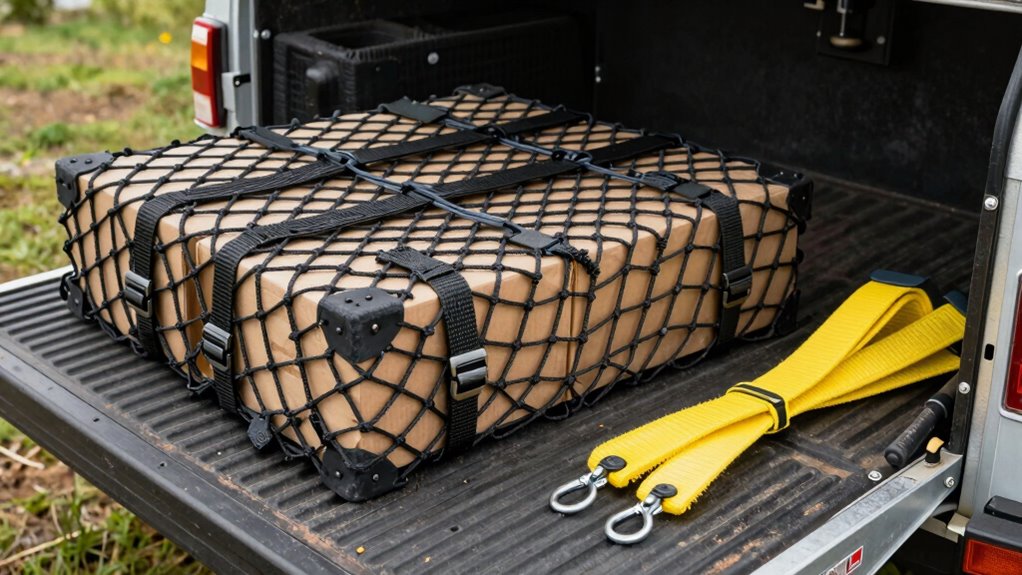
Installing cargo securing methods varies in ease, depending on the type you choose. Cargo nets are typically user friendly and quick to set up, often involving hooks or straps that attach easily to anchor points. Their flexibility makes positioning straightforward, but securing the load tightly might take some patience. Additionally, their installation process is often simpler compared to other methods, making them suitable for quick setups. Cargo nets also benefit from elasticity, allowing better conformity to irregular loads and reducing movement during transit. The adjustability of straps with quick-release buckles generally facilitates high installation ease, thanks to their simple buckles and adjustable length, which let you secure loads with minimal effort. Bungees are among the easiest to use, requiring you to stretch and hook them over the load, making them ideal for quick fixes. Overall, cargo nets and straps provide better user friendliness for securing heavier or irregular loads, while bungees excel in speed and simplicity for lighter or temporary setups. Furthermore, proper load distribution is essential to ensure safety and stability during transit, especially when using quick and easy securing methods like bungees and straps.
Why Are Cargo Nets Safer Than Straps or Bungees for Securing Loads?
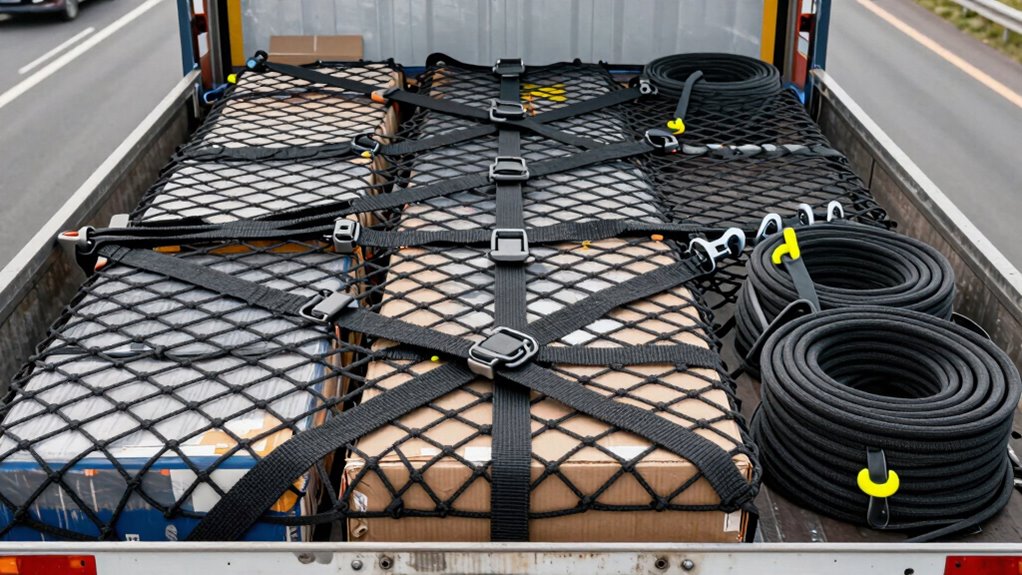
Cargo nets are often considered safer than straps or bungees because they distribute tension more evenly across the entire load. This even distribution helps prevent load shifting during transport, reducing the risk of accidents or damage. Unlike straps or bungees that focus tension at specific points, cargo nets wrap around items, securing them more reliably. This distribution of tension minimizes the stress on individual attachment points, which can weaken over time if equipment maintenance isn’t kept up. Properly maintained cargo nets maintain their integrity longer, ensuring consistent safety. Their flexibility allows them to adapt to various load shapes and sizes, providing a more secure hold. Additionally, ease of use makes cargo nets a practical choice for quick and secure load securing. Their versatility further enhances their safety, making them suitable for a wide range of cargo types and conditions. The ease of installation of cargo nets also contributes to their safety, as quick setup reduces the chances of improper securing. Moreover, cargo nets often feature built-in tensioning systems that assist in achieving optimal tension more efficiently. Overall, cargo nets promote stability and safety, especially when load shifting could pose a significant risk.
When Is a Cargo Net the Best Choice for Shipping or Transport?
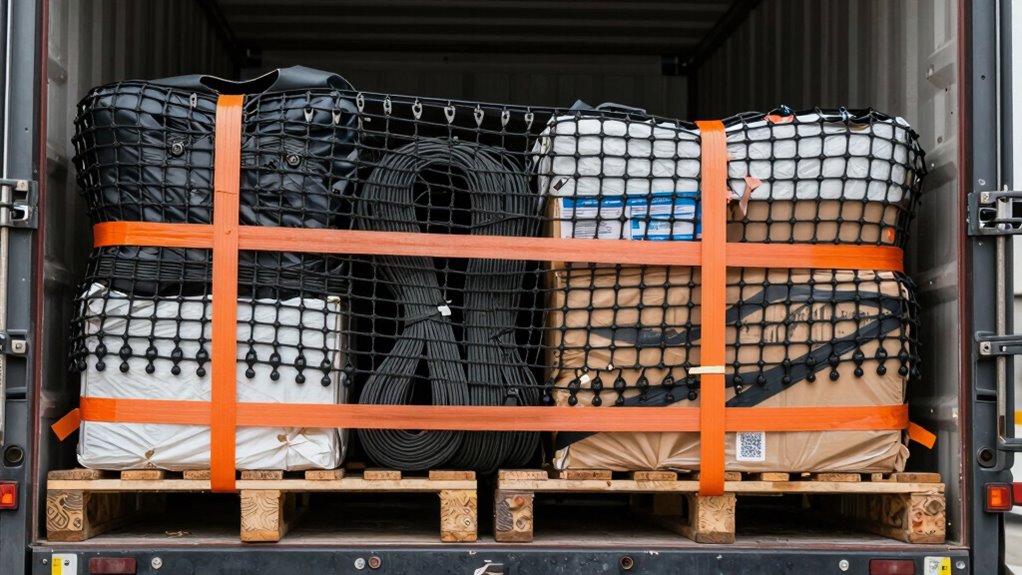
A cargo net is your best choice for shipping or transport when you need to secure irregularly shaped, heavy, or bulky loads that might shift during transit. They’re ideal for covering large areas quickly and evenly distributing tension, reducing movement risks. If you’re exploring alternative transport methods like air or sea freight, cargo nets provide added security. Keep in mind, cargo insurance considerations may favor nets, as they offer consistent load stability, minimizing damage claims. Use a cargo net when your load has unpredictable contours or weight distribution, and you require a flexible, efficient securing method. Properly chosen, they can save time and reduce the risk of accidents during transit. Additionally, understanding load stabilization techniques can further enhance safety and security during transportation. Incorporating proper tie-down practices ensures that the securing method aligns with safety standards and further minimizes shifting risks. Employing industry best practices in securing loads can also contribute significantly to overall transport safety. Being aware of load capacity limits helps prevent overloading and potential failure of securing equipment.
Should You Use Straps or Bungees? Here’s When Each Works Best
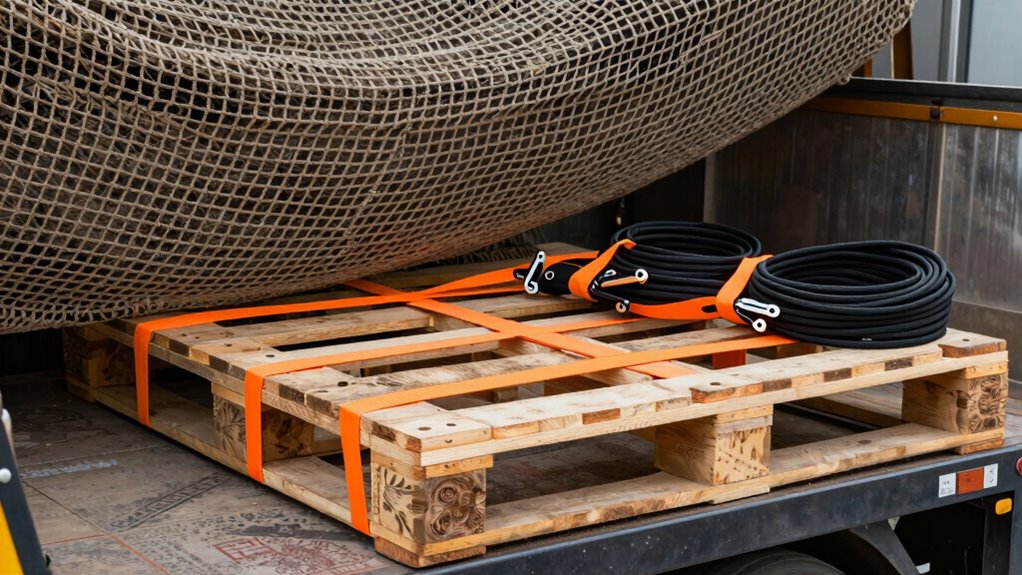
Choosing between straps and bungees depends on your specific securing needs. If you’re handling heavier loads, straps are your best option because they offer higher material strength and better load weight capacity. They provide a tight, secure hold, reducing movement during transport. Bungees, on the other hand, excel for lighter items or quick, temporary fixes. Their elastic nature allows for easy stretching and attaching, but they aren’t suitable for heavy or fragile cargo. Use straps when you need reliability and strength for substantial loads, especially when precise tension is required. Reserve bungees for light-duty tasks or when convenience and speed matter more. Matching the tool to your load weight and material strength ensures safer, more effective securing. Considering the testing accuracy of your securing tools can further improve safety and reliability during transport.
How Do Cost and Reusability Influence Your Cargo Restraint Choices?
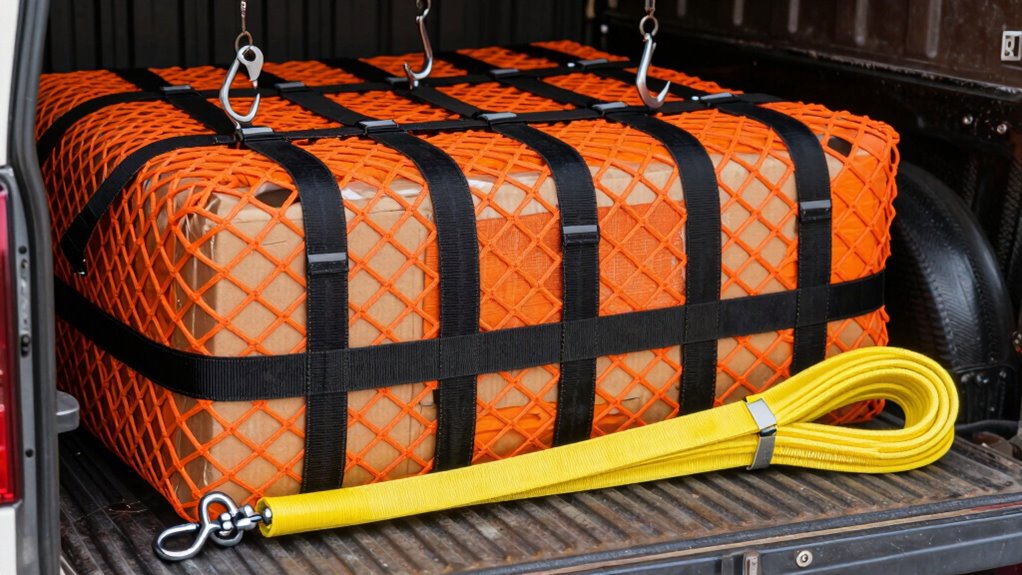
Your choice of cargo restraints depends heavily on how much you’re willing to spend over time and how often you’ll reuse them. Reusability and durability can save you money in the long run, even if the initial cost is higher. Considering these factors helps you select the most cost-effective and reliable option for your needs. For example, best safety glasses for 2024 are designed to withstand repeated use and provide long-term protection, illustrating the importance of durability in your decision. Additionally, understanding Gold IRA Rollovers can help you diversify your investment strategies to include assets that maintain value over time. Recognizing frequently reused equipment can further guide you toward options that offer extended longevity and safety benefits, especially when selecting reusable cargo restraints that balance cost and safety effectively.
Cost Efficiency Over Time
When evaluating cargo restraints, the cost and reusability of each option substantially impact long-term savings. A thorough price comparison helps determine which choice offers better value over time. Cargo nets, straps, and bungees vary markedly in upfront costs and lifespan. Material longevity plays an essential role; durable materials like heavy-duty nylon or polyester tend to last longer, reducing replacement frequency. While straps and bungees may have lower initial prices, their wear and tear can lead to frequent replacements, increasing overall costs. Conversely, high-quality cargo nets often require higher initial investment but maintain integrity longer, offering better cost efficiency over time. Material durability is a key factor influencing their lifespan and performance. Additionally, understanding the long-term costs associated with each restraint type helps in making more informed decisions. By considering both purchase price and how long each restraint remains effective, you make smarter decisions that save money and ensure safety on the road.
Reusability and Durability
Reusability and durability are key factors that directly influence the overall cost-effectiveness of cargo restraints. When choosing between cargo nets, straps, or bungees, consider how long each can withstand repeated use without wear or damage. Durable restraints reduce the need for frequent replacements, saving money and minimizing downtime during handling equipment operations. For example, high-quality straps and cargo nets can be stored in containers for easy access and extended lifespan. Bungees may wear out faster, requiring more frequent replacements. Your choice impacts storage management—resilient restraints take up less space over time and ensure safety during handling. Ultimately, investing in more durable options keeps your cargo secure, reduces costs, and simplifies storage and handling processes.
What Common Cargo Securing Mistakes Can Compromise Safety?
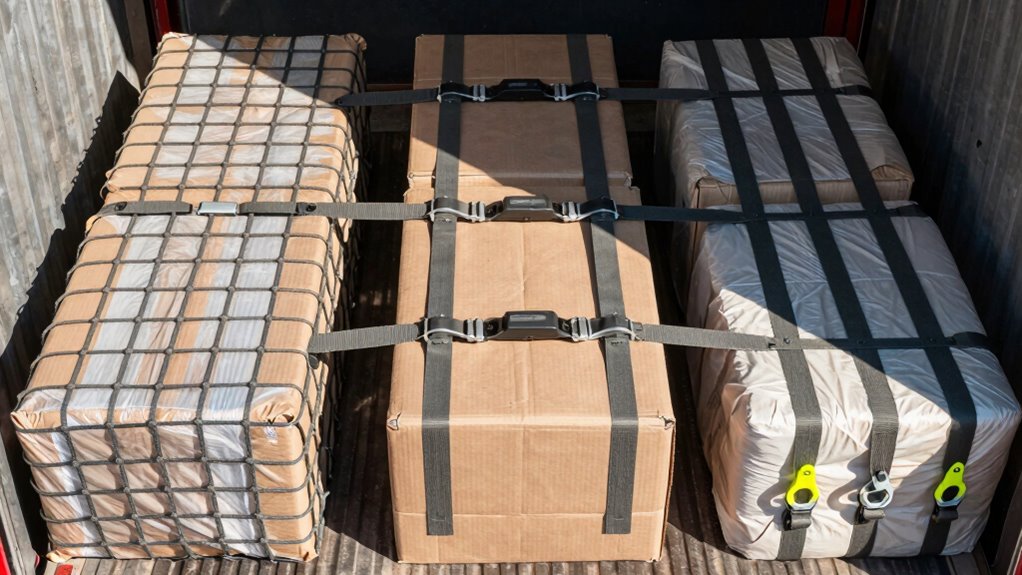
One common mistake is not applying proper tension when securing your cargo, which can lead to shifting or falling during transit. Using the wrong securing devices for your specific load also increases the risk of failure and accidents. Being aware of these pitfalls helps guarantee your cargo remains safe and secure throughout the journey.
Improper Tensioning Techniques
Improper tensioning techniques are a common mistake that can severely compromise cargo safety. If you don’t tension securing devices correctly, load shifting becomes likely, risking accidents. Using inconsistent tensioning techniques may leave your cargo loose or unevenly secured, increasing the chance of movement during transit. To prevent this, verify each strap or net is tightened firmly but not overly tight, avoiding slack or stress points.
| Tensioning Issue | Resulting Problem |
|---|---|
| Under-tensioning | Load shifts, instability |
| Over-tensioning | Damage to cargo or securing device |
| Uneven tensioning | Unequal load distribution |
| Incorrect tensioning method | Increased load shifting |
| Inconsistent tensioning | Reduced overall safety |
Using Wrong Securing Devices
Choosing the wrong securing devices can considerably weaken your cargo’s safety during transit. If you use inadequate straps, bungees, or nets, you risk load shifting, which can cause accidents or damage. Not following securing regulations or using devices not rated for your cargo’s weight can lead to failure under stress. For example, bungees may stretch and loosen, while straps might be too weak or improperly tensioned. Cargo nets, if not properly secured or rated for the load, won’t prevent shifting. Always select the correct device for your load’s size and weight, and verify it complies with securing regulations. Using the wrong tools compromises safety, increases the risk of cargo falling or shifting, and can result in costly fines or accidents on the road.
How Do Weather and Environmental Conditions Affect Cargo Restraints?
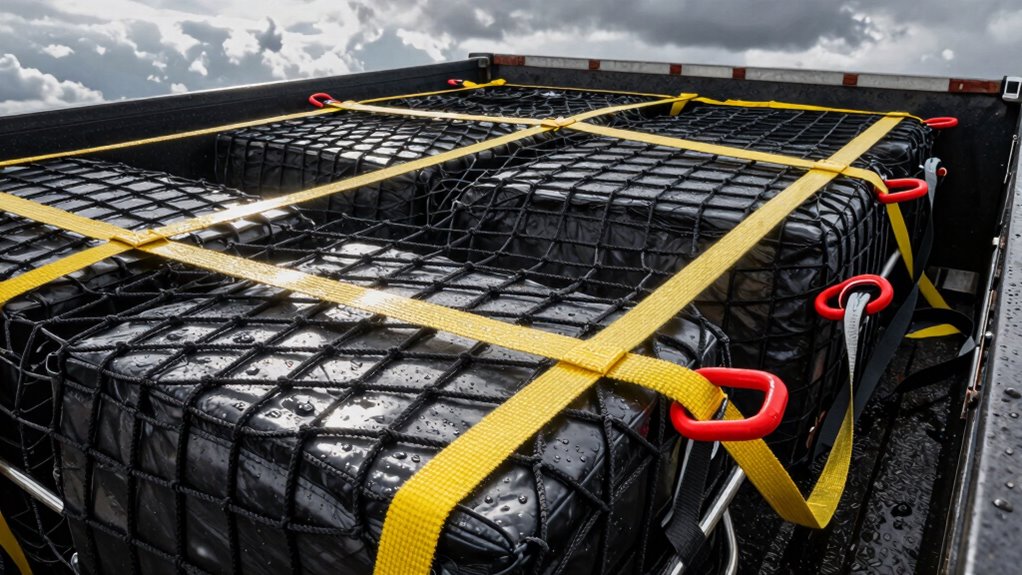
Weather and environmental conditions can considerably impact the effectiveness of cargo restraints. Exposure to elements like moisture, temperature changes, and UV rays can weaken materials and reduce their holding power. Here’s how environmental factors affect your cargo securing:
- Moisture and Rain: Water can cause straps and bungees to stretch or degrade, decreasing their strength.
- Sun and UV Rays: Prolonged sun exposure leads to material brittleness and cracking, especially in straps and bungees.
- Temperature Fluctuations: Extreme heat or cold can alter elasticity, making restraints less reliable or more prone to failure.
Understanding weather impact helps you choose the right restraints and inspect them regularly, ensuring your cargo stays secure regardless of environmental conditions.
What’s the Safest Method for Heavy or Fragile Loads?
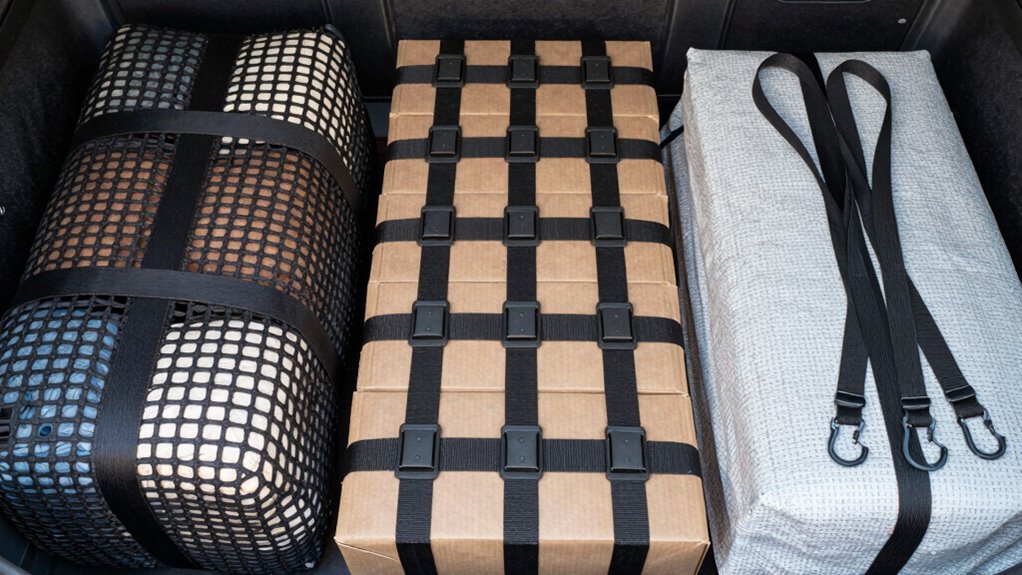
When hauling heavy or fragile loads, choosing the safest method means considering how well your restraint system can contain and protect your cargo. You need options that offer secure containment, flexibility, and cushioning to absorb shocks and prevent damage. By focusing on these points, you can better determine which method keeps your cargo safe and intact.
Secure Load Containment
Secure load containment is critical when transporting heavy or fragile items, as improper methods can lead to accidents or damage. To prevent load shifting and ensure safety, you should focus on these key strategies:
- Use appropriate securing devices—choose straps, nets, or bungees suited for the load’s weight and fragility.
- Regular equipment maintenance—check for wear and tear to maintain tension and reliability.
- Proper load distribution—balance weight evenly across the vehicle to minimize shifting risks.
Flexibility and Cushioning
Choosing the right method to contain and protect heavy or fragile loads involves more than just securing them in place; it also requires guaranteeing they have enough flexibility and cushioning to prevent damage during transport. Cargo flexibility plays a vital role, as it allows the securing method to absorb shocks and adapt to movement, reducing strain on the load. Bungees excel here because they stretch and provide immediate cushioning safety, protecting delicate items from sudden jolts. Straps, while strong, offer less flexibility but can be combined with padding for added protection. Cargo nets also provide good cushioning safety due to their mesh design, which distributes pressure evenly. Ultimately, selecting a method that offers ideal flexibility and cushioning helps prevent damage and ensures safer transportation of heavy or fragile loads.
Frequently Asked Questions
Can Cargo Restraints Be Reused Multiple Times Safely?
Yes, reusable restraints can be used multiple times safely if you follow proper safety guidelines. Always inspect them thoroughly for signs of wear, tears, or damage before each use. Replace any restraints that show deterioration. Adhere to manufacturer instructions for proper securing techniques, and store them in a cool, dry place. Regular maintenance and inspection guarantee your reusable restraints remain effective and safe for repeated use.
What Are the Environmental Impacts of Different Cargo Securing Methods?
You can reduce environmental impacts by choosing eco-friendly materials like biodegradable straps or nets. These options break down naturally, minimizing waste and pollution. Bungees often contain plastic components that may not degrade easily, while traditional straps may use synthetic fibers. By selecting sustainable, biodegradable options for cargo securing, you help protect the environment and promote a greener future, making your transportation practices more eco-conscious and responsible.
How Does Load Size Influence the Choice of Securing Method?
When securing loads, larger loads require stronger methods; for instance, loads over 1,000 pounds see a 25% increase in securing failures if not properly managed. Your load weight and shape directly influence your choice—straps are best for rectangular cargo, while cargo nets suit irregular shapes. For bigger, heavier loads, use a combination of straps and bungees to guarantee stability and safety during transit.
Are There Specific Industry Standards for Cargo Restraint Safety?
You should follow cargo restraint regulations and safety certification standards to guarantee safe transportation. These standards specify proper securing techniques, equipment ratings, and inspection procedures, helping you minimize risks. Always check that your cargo restraint methods, whether nets, straps, or bungees, comply with industry regulations and are certified for safety. Adhering to these guidelines keeps your cargo secure and reduces liability if accidents occur.
How Do Cargo Restraints Affect Fuel Efficiency During Transport?
Did you know improper cargo restraints can increase fuel consumption by up to 15%? When you use heavier restraints, like some cargo nets or straps, your vehicle has to work harder, reducing fuel efficiency. Choosing lightweight restraints helps minimize this effect, saving you money and reducing emissions. So, always balance safety and restraint weight to optimize fuel consumption during transport, ensuring both security and efficiency.
Conclusion
Choosing the right cargo securing method is like steering a ship through rough seas—you need reliable tools to keep everything steady. I once saw a truck lose a load because the straps slipped, but a sturdy cargo net saved the day. Remember, safety isn’t just about cost or convenience; it’s about protecting lives and cargo alike. Pick the right method for your load, and you’ll navigate any journey with confidence and peace of mind.