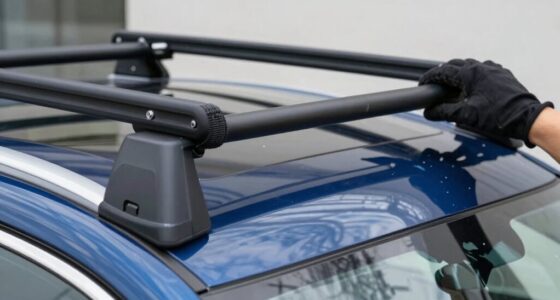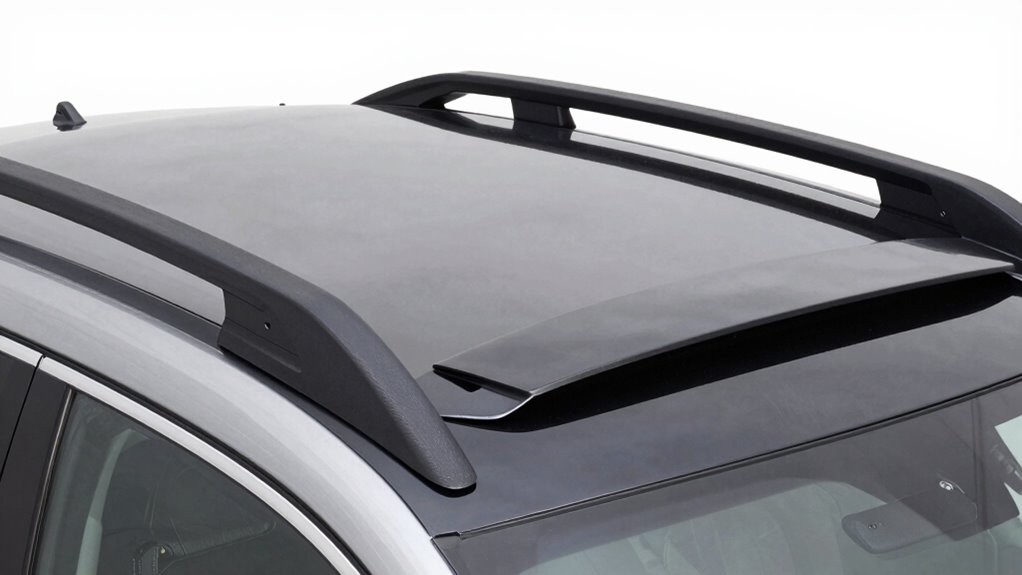

Roof rack crossbars come in two main styles: raised rails and flush rails. Raised rails sit above the vehicle’s roof, making them easier to attach and offering more compatibility, but they can increase wind resistance and noise. Flush rails are integrated into the roof, giving a sleeker look and better aerodynamics, which can improve fuel efficiency. Understanding these differences helps you choose the right style for your needs; keep exploring to learn more about each option.
Key Takeaways
- Raised rails sit above the roof, offering versatile attachment points; flush rails are integrated, providing a sleek, aerodynamic look.
- Raised rails typically allow easier mounting and wider compatibility; flush rails often require specific fit kits or adapters.
- Flush rails improve aerodynamics, reduce wind noise, and enhance fuel efficiency compared to raised rails.
- Raised rails may be more vulnerable to damage or theft; flush rails can present security and drainage challenges.
- Choice depends on vehicle type, load needs, security preferences, and aesthetic or aerodynamic considerations.

Tuyoung 300lbs Roof Rack Cross Bars Compatible with Subaru Forester 2014-2026 with Raised Side Rails (Not for Wilderness), Lockable Heavy Duty Aluminum Metal Lock Roof Rails Crossbars Luggage Racks.
【Compatible Vehicle】Compatible with Subaru Forester 2014 2015 2016 2017 2018 2019 2020 2021 2022 2023 2024 2025 2026…
As an affiliate, we earn on qualifying purchases.
As an affiliate, we earn on qualifying purchases.
What Are Raised Rails and Flush Rails?
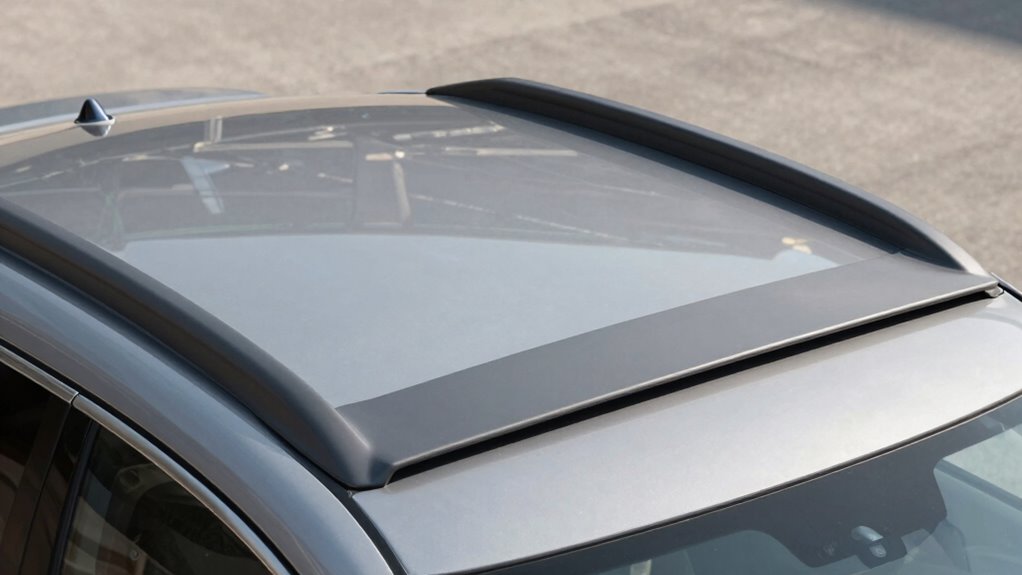
Have you ever wondered how different roof rack systems attach to your vehicle? Raised rails and flush rails are two common options, each offering distinct advantages. Raised rails sit above the vehicle’s roof, often made from durable roof rack materials like aluminum or steel, providing solid support and easy attachment points. Flush rails, on the other hand, are integrated into the roof’s surface, creating a sleek appearance. Locking mechanisms are crucial for security, ensuring your crossbars stay in place during travel. Raised rails typically have more versatile locking options, while flush rails often feature built-in locks that blend seamlessly with the roofline. Understanding these differences helps you choose the right system for your vehicle’s style and security needs. Additionally, technology integration in modern roof rack systems can enhance security and convenience during installation and use, making it easier to adapt to various vehicle types and loading needs. Some systems also incorporate customizable features to better suit specific gear or accessories, and advancements in locking mechanisms ensure greater security and durability during travel. For example, knowing how to properly select between raised and flush rails can help prevent potential compatibility issues with aftermarket accessories.

FelicValo FelicValo 53” All-Metal 330lbs Roof Rack Cross Bars Universal Fit Raised Side Rails, Heavy Duty Aluminum Crossbars for Cargo Carrier Kayak
✔️【Compatible Vehicle】: FelicValo crossbars fit most vehicles with Raised Side Rails with gap. Simply measure the maximum distance…
As an affiliate, we earn on qualifying purchases.
As an affiliate, we earn on qualifying purchases.
What Factors Should You Consider When Choosing Roof Rack Crossbars?
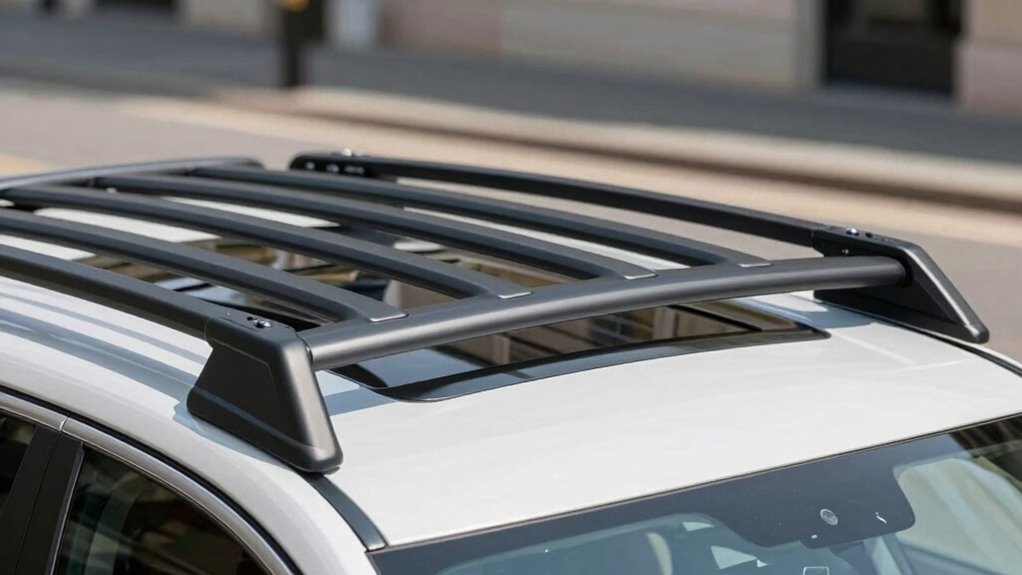
Choosing the right roof rack crossbars depends on several key factors, including your vehicle’s roof type, the intended load, and your specific needs for security and ease of use. You should consider the roof rack materials for durability and weight capacity, making sure they can handle your gear. Security features are also crucial, so look for locks or anti-theft systems that keep your gear safe. Compatibility with your vehicle’s roof type ensures a proper fit, preventing issues during travel. Additionally, think about ease of installation and removal, especially if you need to switch setups frequently. Finally, assess your budget to find options that balance affordability with quality and safety. Exploring different content formats can help you understand what options are best suited for your needs, including consulting guides on projector installations and cabling solutions for additional insights. Also, paying attention to roof rack standards can ensure your crossbars meet safety regulations and performance expectations. Being aware of manufacturers’ guidelines can further assist in selecting the most reliable and compatible options for your vehicle. Incorporating Security features such as locks or alarm systems can further enhance the safety of your gear during transit.

Otherya Aero Aluminum Universal Roof Rack Cross Bars, Existing Raised Side Rail with Gap -200 lbs Load Capacity (New 52 inches)
【UNIVERSAL ROOF RACK CROSSBARS】:The universal roof rack cross bars Fits Most Vehicles with Flush Side Rails, maximum of…
As an affiliate, we earn on qualifying purchases.
As an affiliate, we earn on qualifying purchases.
How Do Installation and Compatibility Differ for Raised and Flush Rails?
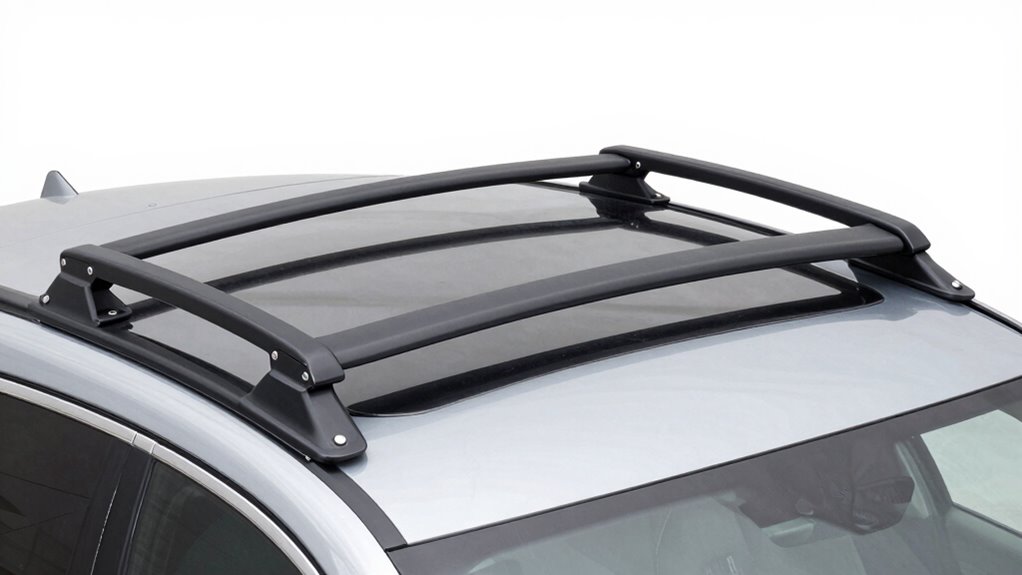
Installing crossbars on raised rails typically involves clamping or mounting brackets that attach directly to the rails, making the process straightforward. With flush rails, you often need specific fit kits or adapters to secure the crossbars properly. Your vehicle’s rail design also influences compatibility, so it’s essential to choose crossbars designed for your roof type. Additionally, understanding roof rack configurations can help ensure proper installation and safety. Proper fit kit selection can also improve the overall efficiency and security of your roof rack setup.
Installation Process Variations
When it comes to installing roof rack crossbars, the type of vehicle’s roof rails considerably influences the process. Raised rails typically allow for easier mounting with clamps or brackets that secure directly to the rails, often requiring less modification. Conversely, flush rails may need specialized track systems or clamps that slide into the rails, making installation more involved. You’ll want to consider roof rack security to prevent theft or movement during transit. Additionally, crossbar material options like aluminum or steel impact weight and durability, affecting installation stability.
- Raised rails often include integrated mounting points for quick setup
- Flush rails usually need compatible track systems or adapters
- Installation time varies depending on rail type and system complexity
- Security features differ between mounting methods
- Compatibility depends on crossbar design and vehicle specifics
Compatibility Considerations
Compatibility between roof rack crossbars and vehicle roof types varies considerably, especially when comparing raised and flush rails. Raised rails generally offer more straightforward installation options and wider compatibility, but you need to confirm the crossbars fit the material durability of your roof. Flush rails often require specific mounting adapters, making compatibility a bit more complex. Material durability plays a role, as some crossbars are designed to withstand harsh weather, guaranteeing long-term performance. Additionally, your choice impacts aesthetic appeal: raised rails can add a rugged look, while flush rails maintain a sleek, integrated appearance. Always verify that your crossbars are compatible with your roof type and consider both durability and style to ensure a seamless fit and superior performance.
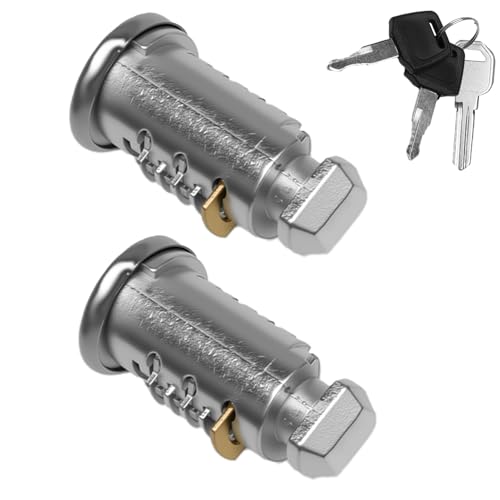
2 Pack Lock Cores with Keys Compatible with Thule One-Key System, Lock Cylinder with Key for Bike Rack, Roof Cargo, Ski Rack, Towers (2) (2)
Compatibility: Works seamlessly Compatible with One-Key System, fitting bike rack, roof cargo, ski rack, towers, and other lockable…
As an affiliate, we earn on qualifying purchases.
As an affiliate, we earn on qualifying purchases.
What Are the Benefits of Raised Roof Rack Crossbars?
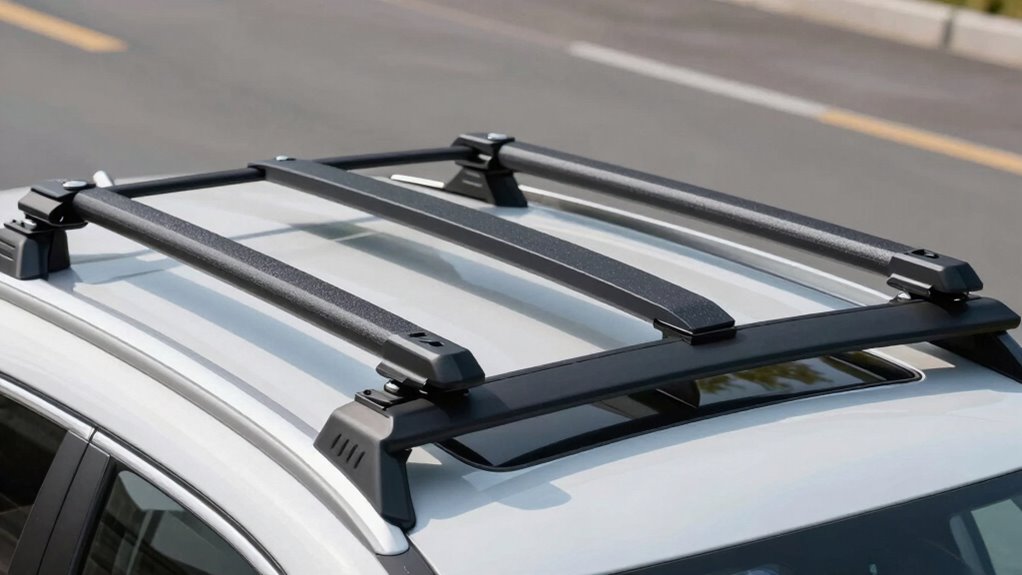
Raised roof rack crossbars offer several advantages that can enhance your vehicle’s utility. They provide increased flexibility for securing larger or awkwardly shaped items, making loading easier and more secure. The elevated position improves roof rack security by reducing interference with the vehicle’s roofline, helping you keep gear stable during transit. Additionally, the crossbar materials are often more durable and resistant to weather, ensuring longevity. Raised crossbars also allow for better clearance, making it simpler to attach accessories like bike mounts or cargo boxes. This design can accommodate a wider variety of roof rack accessories, expanding your options for travel and outdoor activities. Moreover, the design can help prevent damage to your vehicle’s roof by distributing weight more evenly. Considering the weather-resistant materials used in construction further enhances the crossbars’ durability and performance in various conditions. The weather resistance of these materials is crucial for maintaining their integrity over time. The ability to withstand harsh environmental conditions makes raised crossbars a practical choice for outdoor enthusiasts. Overall, raised crossbars boost both functionality and security, giving you a reliable way to carry more gear with confidence.
What Are the Advantages of Flush Roof Rack Crossbars?
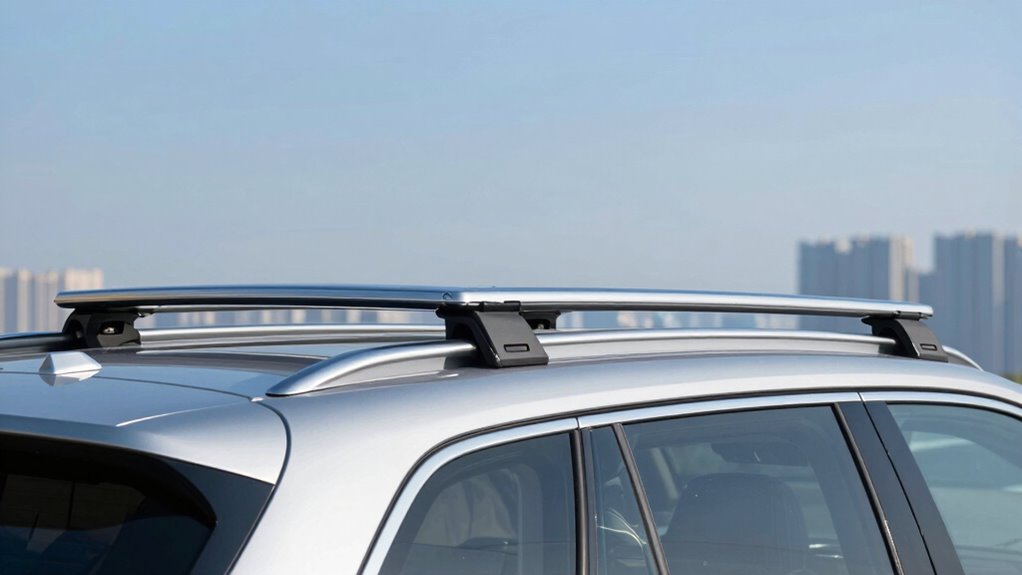
Flush roof rack crossbars improve your vehicle’s aerodynamics, helping you save fuel and reduce drag. They also give your roof a sleek, integrated look that enhances your car’s exterior. Plus, they minimize wind noise, making your drives quieter and more comfortable. Additionally, their design can simplify access for family waterpark gear, ensuring you can easily load and unload before and after your adventures. Choosing the right crossbars can also contribute to a more aerodynamic vehicle, which benefits your overall driving experience. Incorporating roof rack crossbars designed for your specific vehicle can further optimize these benefits and improve stability during travel. Being mindful of indoor air quality can also contribute to a healthier environment inside your vehicle, especially on long trips. Proper installation and regular inspection of your crossbars can also enhance safety and reliability during your outings.
Enhanced Aerodynamics
Have you ever noticed how some roof rack crossbars seem to cut through the air more smoothly than others? Flush roof rack crossbars are designed with enhanced aerodynamics, reducing air resistance and noise while driving. This sleek design helps maintain your vehicle’s efficiency by minimizing drag, which can improve fuel economy. Additionally, because these crossbars often sit closer to the roof, they don’t interfere with the vehicle’s streamlined silhouette, boosting aesthetic appeal. The improved airflow means less wind noise and turbulence, making your ride more comfortable. Plus, a well-designed flush system can support a good cargo capacity without compromising your vehicle’s shape or performance. Incorporating sustainable textile innovations and eco-friendly manufacturing practices can also contribute to more environmentally conscious vehicle accessories. Overall, flush crossbars combine functionality and style, offering a smarter, more aerodynamic solution for your roof rack needs. Incorporating ADAS sensor calibration considerations can ensure your vehicle’s safety systems continue to function properly with the new roof rack setup. Proper installation and design can also prevent airflow disruption, which is crucial for maintaining vehicle stability at higher speeds.
Sleek Exterior Look
A sleek exterior look is one of the main advantages of flush roof rack crossbars, as they seamlessly blend with your vehicle’s design. This enhances the overall roof rack design by maintaining a smooth, clean appearance. You won’t have bulky bars disrupting your vehicle’s lines, making it visually appealing from every angle. The exterior aesthetics stay sharp and modern, giving your vehicle a streamlined profile.
| Feature | Benefit |
|---|---|
| Seamless integration | Maintains sleek, cohesive look |
| Reduced protrusion | Less visual clutter and distraction |
| Modern appearance | Enhances vehicle’s stylish exterior |
Reduced Wind Noise
Reduced wind noise is a significant benefit of flush roof rack crossbars, especially when you’re cruising at higher speeds. Their streamlined design minimizes air turbulence, making your drive more comfortable and quieter. This not only enhances your driving experience but also helps maintain better fuel efficiency. Additionally, flush crossbars improve roof rack security by reducing wind-related movement, keeping your gear stable. The choice of crossbar materials influences noise levels, with aerodynamic options offering quieter performance. By opting for this design, you’ll enjoy less whistling and wind buffeting, especially on highway trips. Overall, flush roof rack crossbars provide a quieter ride, better roof rack security, and a sleek, unobtrusive appearance. They’re a smart choice for those prioritizing comfort and efficiency.
Do Raised or Flush Rails Impact Fuel Economy and Aerodynamics?
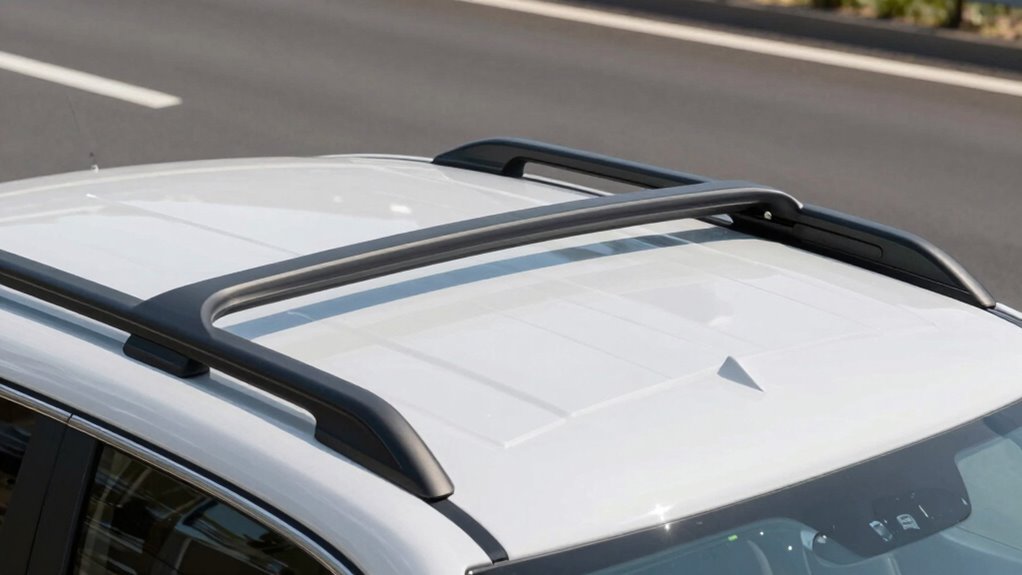
You might wonder whether raised or flush roof rails make a difference in your vehicle’s fuel economy and aerodynamics. Generally, raised rails increase wind resistance, which can reduce fuel efficiency, especially at highway speeds. Flush rails are sleeker, helping to minimize air drag and improve overall aerodynamics. The following table highlights the impact:
| Feature | Effect on Fuel Efficiency |
|---|---|
| Raised Rails | Higher wind resistance, lower fuel efficiency |
| Flush Rails | Reduced wind resistance, better fuel efficiency |
| Aspect | Impact on Aerodynamics |
| Raised Rails | Disrupt airflow, create turbulence |
| Flush Rails | Allow smoother airflow, less turbulence |
Choosing flush rails can help you save fuel and enhance aerodynamics on the road.
What Common Challenges Come With Raised and Flush Roof Racks?
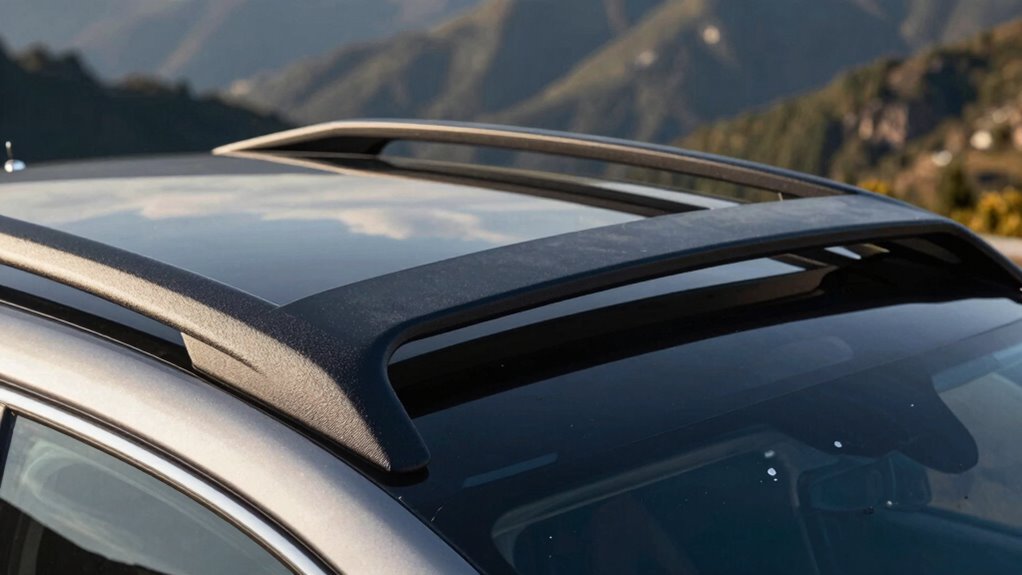
While flush roof rails improve aerodynamics, they can introduce certain challenges that users should consider. One common issue is security concerns, as flush rails may be easier for thieves to access, making theft prevention more difficult. Additionally, flush rails can limit the types of crossbars you can install, reducing flexibility. Raised roof racks, on the other hand, can be more vulnerable to damage or theft if not properly secured. Both styles may also pose installation challenges, requiring precise positioning to ensure safety. Finally, water drainage can become an issue, leading to potential corrosion or damage over time. Being aware of these challenges helps you weigh the benefits against potential security risks and maintenance concerns for your specific needs.
Which Roof Rack Style Is Best for Your Lifestyle and Vehicle?

Choosing the right roof rack style depends heavily on your lifestyle and vehicle type. If you frequently carry bulky gear, raised rails might be ideal, offering easier access and compatibility with various accessories. For those prioritizing sleek aesthetics and minimal wind resistance, flush rails could be better. Consider your interior storage needs; a roof rack that suits your gear volume guarantees you don’t compromise interior space. Security concerns also matter—raised rails often provide better locking options, reducing theft risk. Conversely, flush rails may require additional clamps or adapters for secure attachment. Think about how often you’ll use the rack, what you’ll carry, and your vehicle’s design. Matching your lifestyle with the right style enhances convenience, safety, and vehicle integrity.
Frequently Asked Questions
Are Roof Rack Crossbars Compatible With All Vehicle Types?
Roof rack crossbars aren’t compatible with all vehicle types, but you can often find options for most. Your vehicle’s compatibility depends on the type of roof, like raised rails or flush rails. You’ll need to check crossbar adjustments to guarantee a secure fit. Measure your roof and verify compatibility with the manufacturer’s specifications. This way, you guarantee a safe, snug fit for your gear, regardless of your vehicle type.
How Do I Maintain and Clean Roof Rack Crossbars Effectively?
You can keep your roof rack crossbars in top shape by regularly cleaning them with mild soap and water, avoiding harsh chemicals. Use soft brushes or cloths to remove dirt and debris, especially after off-road adventures. To prevent corrosion, dry the crossbars thoroughly and apply a protective coating or anti-corrosion spray periodically. This routine maintenance guarantees longevity and peak performance, even in harsh weather conditions.
Can Roof Rack Crossbars Be Used for Securing Different Types of Cargo?
Yes, roof rack crossbars can be used for securing different types of cargo, thanks to their crossbar versatility. They help guarantee cargo stability by providing a sturdy, reliable platform, whether you’re carrying bikes, luggage, or other gear. To maximize security, choose crossbars compatible with your vehicle and cargo, and use appropriate straps or tie-downs. This way, you keep your load safe and your vehicle balanced during transit.
What Safety Precautions Should I Take When Using Roof Rack Crossbars?
When using roof rack crossbars, you should prioritize installation safety by following the manufacturer’s instructions carefully. Always double-check that the crossbars are securely attached before driving. Guarantee load security by evenly distributing cargo and securing it tightly with straps or bungees. Avoid overloading beyond the weight limit, and periodically check the load during your trip. These precautions help prevent accidents and protect your cargo and vehicle.
Are There Specific Weight Limits for Raised and Flush Roof Rack Crossbars?
You can’t put a square peg in a round hole—so, yes, raised and flush roof rack crossbars have specific weight limits. These limits depend on material compatibility and aerodynamic design, which influence their strength and stability. Always check the manufacturer’s guidelines for your crossbars, as exceeding these limits risks damage or accidents. Properly matching crossbars to your vehicle and load guarantees safety and longevity, keeping your gear secure on every trip.
Conclusion
Choosing between raised and flush roof rack crossbars ultimately depends on your needs. While raised rails offer easier access and versatility, flush rails provide a sleeker look and better aerodynamics. You might enjoy the convenience of one, but face challenges with the other. Consider your lifestyle, vehicle, and priorities. Whichever style you pick, making an informed decision guarantees your gear stays secure and your drive remains smooth—so you can focus on the journey, not the rack.