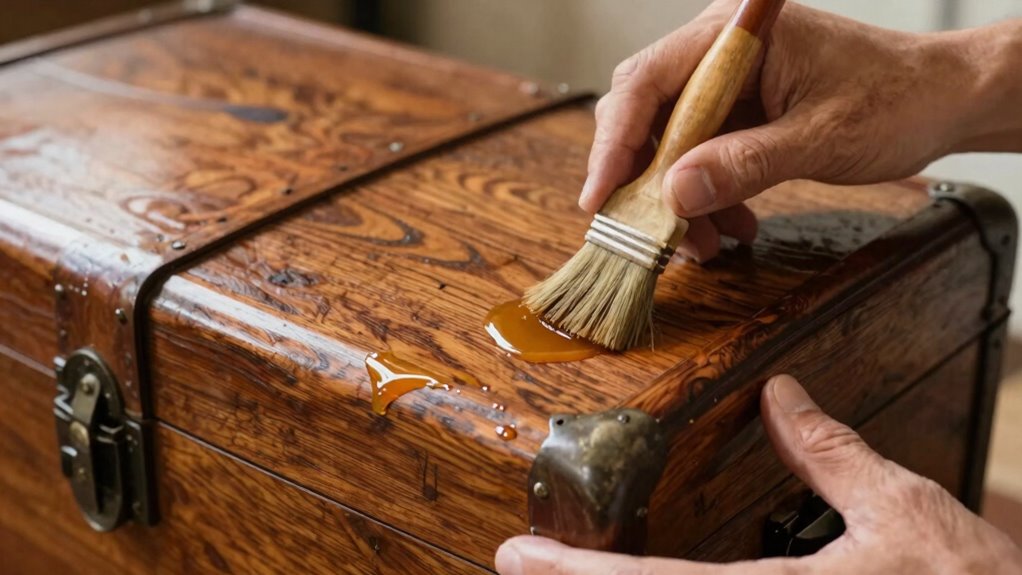

Choosing between polish, wax, or oil depends on your trunk’s material and desired finish. Use polish for a shiny, smooth surface that highlights wood grain, wax for a protective, water-repellent layer, and oil to nourish and deepen the natural look of organic materials. Proper application and regular upkeep maximize their benefits. If you want to learn more about how each product can best protect your trunk, keep exploring the options available.
Key Takeaways
- Choose polish for enhancing wood grain and shine, but rely on wax or oil for longer-lasting protection and nourishment.
- Assess your trunk’s material and environmental exposure to select the most suitable product (e.g., oil for porous wood, UV-protective finishes for sun exposure).
- Prepare surfaces properly with cleaning and light sanding before applying to ensure even coverage and durability.
- Apply products carefully using appropriate tools, avoiding buildup, and buff for a smooth, protective finish.
- Regular maintenance with cleaning, reapplication, and inspections prolongs protection and maintains the trunk’s appearance over time.
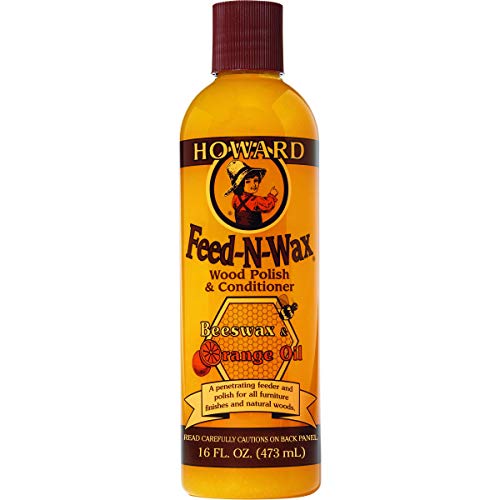
Howard Products Beeswax Wood Polish & Conditioner, Feed-N-Wax, Beeswax Furniture Polish For Wood, 16 Oz, Orange
Polishes all wood surfaces to a soft luster with a protective coating of Carnauba Wax and Beeswax
As an affiliate, we earn on qualifying purchases.
As an affiliate, we earn on qualifying purchases.
Which Product Is Best for Your Trunk? Polish, Wax, or Oil?
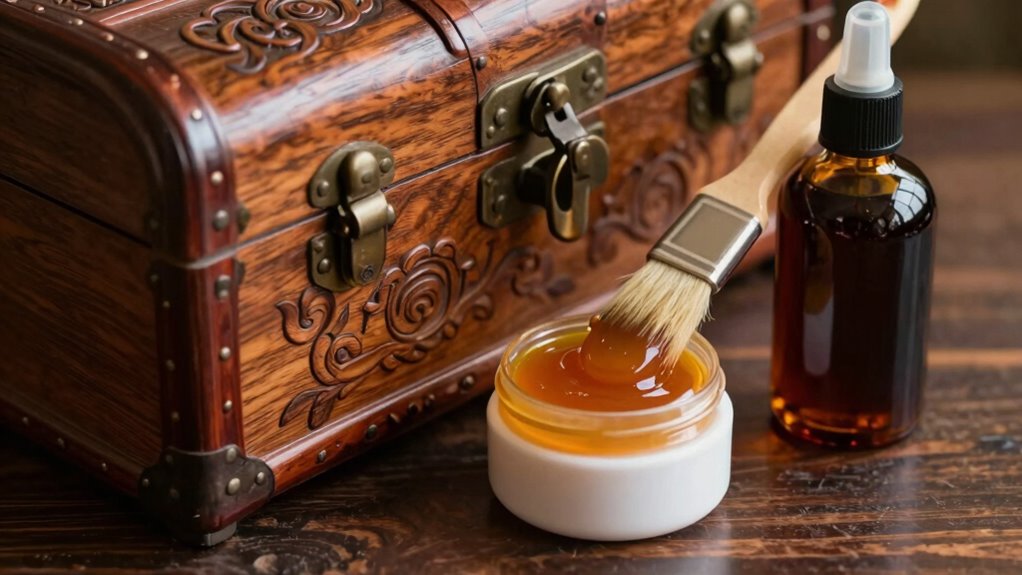
Choosing the right product for your trunk depends on your goals and the type of finish you want. If you’re aiming for trunk restoration, consider products that effectively repair and preserve the wood’s integrity. For aesthetic enhancement, select a product that brings out the natural beauty of the material. Polish is ideal for a smooth, shiny surface, highlighting the wood’s grain, but it offers limited protection. Wax provides a protective layer while enhancing the trunk’s appearance with a warm, rich glow. Oil penetrates deeply, nourishing the wood and improving its durability over time. Your choice should align with whether you want a quick aesthetic boost or a more expansive, long-term protection. Assess your needs carefully to select the product that best suits your trunk’s condition and your desired outcome. Understanding wood preservation techniques can help you choose the most effective product for your project, especially considering how different finishes impact overall durability.
Howard Products Beeswax Wood Polish & Conditioner, Feed-N-Wax, Beeswax Furniture Polish For Wood, 16 Oz, Orange
Polishes all wood surfaces to a soft luster with a protective coating of Carnauba Wax and Beeswax
As an affiliate, we earn on qualifying purchases.
As an affiliate, we earn on qualifying purchases.
How Do Polish, Wax, and Oil Differ? Key Facts to Know
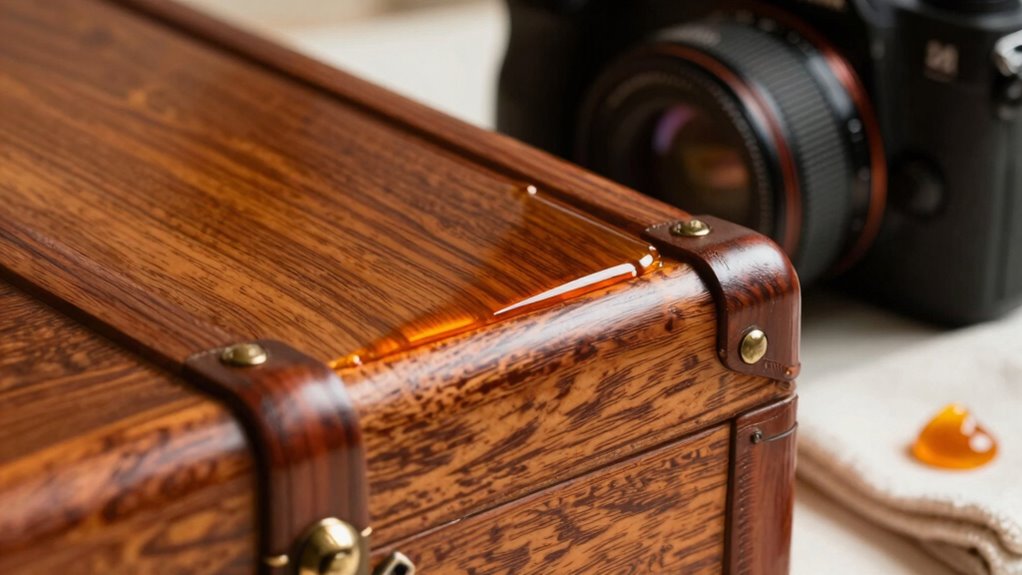
Polish, wax, and oil each serve a different purpose when caring for your trunk, and understanding their key differences helps you select the right product. Polish is designed for restoration techniques, removing scratches and restoring shine, but it doesn’t provide long-term protection. Wax offers a protective barrier that enhances gloss and helps prevent discoloration, making it ideal for surface protection. Oil penetrates deeper, nourishing the material and preventing drying or cracking over time. To achieve the best results, consider incorporating Proper Maintenance techniques that allow your trunk materials to breathe and maintain their natural beauty. Additionally, ensuring that your trunk materials are compatible with these treatments is crucial for effective protection and longevity, especially when considering wood care practices for different finishes. Being aware of the product compatibility ensures that your chosen treatment will not damage or alter the material adversely. Properly applying these products and understanding their longevity can significantly extend the lifespan of your trunk surfaces.

HOPE'S 100% Pure Tung Oil, Food Safe, Premium Waterproof Natural Wood Finish and Sealer for Indoor and Outdoor Projects,16 Fl Oz, 1 Pack
Easy to Use – Tung oil is a natural oil recognized by craftsmen to offer the ultimate hand-rubbed…
As an affiliate, we earn on qualifying purchases.
As an affiliate, we earn on qualifying purchases.
Choosing the Right Product Based on Your Trunk Material

To choose the right product, you need to ensure your trunk material’s compatibility and surface prep. Proper cleaning and conditioning ensure your protection works effectively and lasts longer. Focusing on these points helps you develop a solid long-term protection strategy.
Material Compatibility Tips
How do you guarantee you’re using the right product for your trunk material? Start by understanding your material’s specific needs through material testing. This helps identify how it reacts to different products, ensuring compatibility. Always prioritize product safety—choose options labeled safe for your trunk type to prevent damage.
Consider these tips:
- Check manufacturer recommendations for your trunk material.
- Test a small, hidden area first to observe reactions.
- Use products specifically designed for your material, like leather, wood, or plastic.
- Avoid mixing different products to prevent adverse chemical reactions.
Surface Preparation Techniques
Choosing the right surface preparation product depends on understanding your trunk material and its specific needs. Start with appropriate cleaning techniques to remove dirt, dust, and old finishes. For wood, use gentle cleaners to avoid damage, while for metal, a degreasing solution might be necessary. Restoration methods can help repair surface imperfections or old finishes before applying a protective product. Light sanding may be required to smooth rough areas or remove peeling coatings. Always test cleaning and restoration methods on a small, hidden section first. Proper surface preparation guarantees better adhesion of the protective finish and extends the trunk’s lifespan. Additionally, understanding the horsepower of electric dirt bikes can inform how much effort may be needed during manual cleaning or restoration. Tailoring your approach based on material and condition will give you ideal results and a longer-lasting protective layer. To optimize your surface prep, consider the manufacturing process of your trunk, as it can influence how your material reacts to cleaning and restoration methods.
Long-Term Protection Strategies
Selecting the right protective product is essential for ensuring your trunk withstands the test of time. Your choice depends on your trunk material and environmental considerations. For long-term protection, consider restoration techniques that restore the wood’s natural luster before applying a suitable finish. Environmental factors like humidity, sunlight, and temperature fluctuations influence your decision—more durable products are needed in harsh conditions.
- Assess your trunk’s material and current condition carefully
- Choose a finish that offers UV protection for sun-exposed trunks
- Apply products designed for your specific material, such as oils for porous woods or waxes for smooth surfaces
- Regularly revisit your protection strategy, updating as needed based on wear and environmental changes

Howard Products RF4016 RF3016 Restor-A-Finish, 16 oz, Walnut, 16 Fl Oz
Restor-A-Finish is a unique finish-penetrating formula that restores wood finishes while blending out minor scratches, blemishes and abrasions
As an affiliate, we earn on qualifying purchases.
As an affiliate, we earn on qualifying purchases.
When and Why to Use Polish on Your Trunk
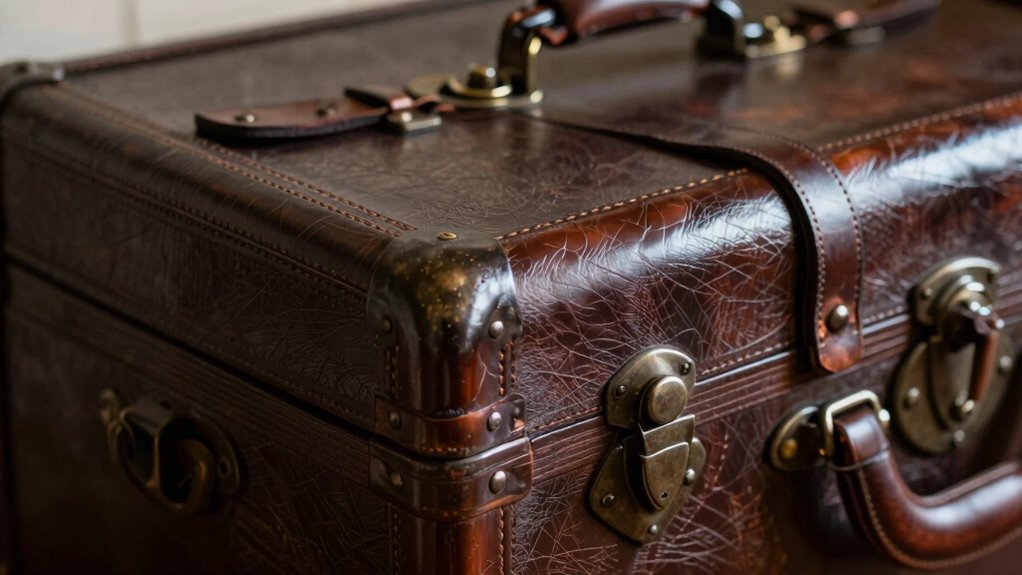
Using polish at the right times can boost your trunk’s visual appeal and make it look like new. It also helps shield the surface from scratches and wear over time. Knowing when to apply polish ensures your trunk stays durable and attractive longer.
Enhancing Visual Appeal
Applying polish to your trunk can greatly boost its visual appeal, especially when you want it to look sleek and well-maintained. A polished surface reflects light, making the material appear vibrant and fresh. Regular polishing not only enhances aesthetics but also helps prevent rust by creating a protective barrier against moisture. Use polish when your trunk shows signs of dullness or minor scratches to restore its shine. It’s particularly effective for highlighting the natural grain and color of the material, adding to its overall charm. Additionally, choosing the right storage and backup gear ensures your materials are protected during maintenance. Maintaining your materials properly also involves understanding material care techniques that extend their lifespan and keep them looking their best. Incorporating proper material protection methods can further safeguard your trunk materials from environmental damage, ensuring long-term durability. Regular cleaning and proper storage can also help maintain the trunk’s appearance and integrity over time, emphasizing the importance of minimalist upkeep practices that prevent unnecessary clutter and damage.
Protecting Surface Durability
After restoring your trunk’s shine and highlighting its natural beauty, it’s important to contemplate how to keep its surface durable over time. Different trunk material types, like leather, wood, or metal, require specific surface protection techniques. Applying polish can enhance the surface’s resistance to scratches, moisture, and wear, especially for wooden or leather trunks. Polishing fills in tiny imperfections, creating a smooth barrier that shields against everyday damage. Additionally, some materials may benefit from surface protection products that form an extra layer of defense. Using the right surface protection can significantly extend the lifespan of your trunk’s finish. Proper understanding of material-specific care ensures you select the most effective protection methods. However, not every material benefits from polish—metal trunks might need a wax or oil instead. Recognizing the best surface protection for your trunk’s material is crucial for maintaining its appearance and durability. Understand your trunk’s material and choose the right surface protection techniques to prolong its appearance and integrity. Regular maintenance with the appropriate products keeps your trunk looking great and prevents premature deterioration. Additionally, knowing when to perform mammography screening can help detect potential health issues early, ensuring overall well-being.
Benefits of Wax for Protecting and Enhancing Your Trunk
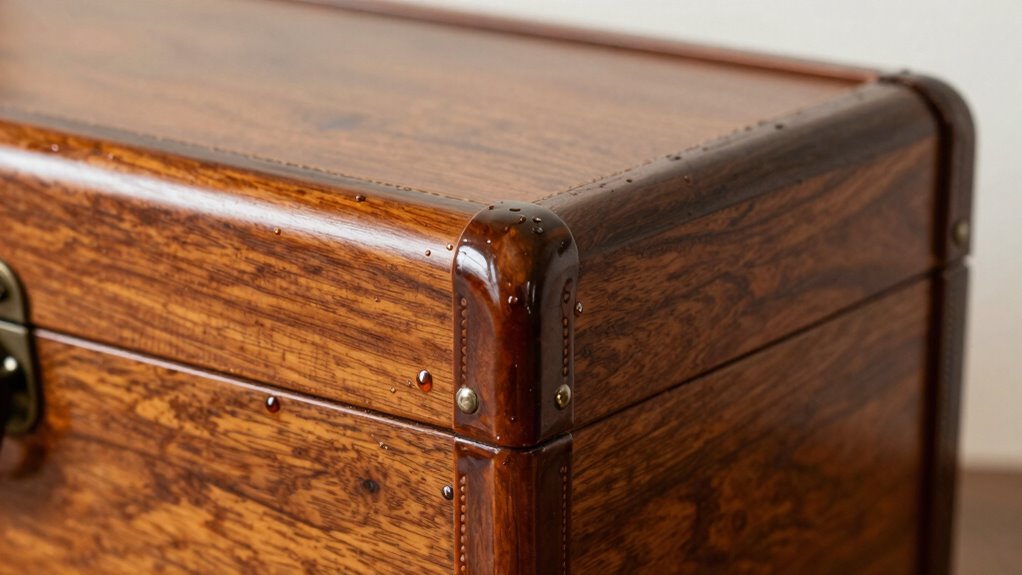
Wax provides a durable barrier that shields your trunk from moisture, dirt, and UV damage, helping to preserve its appearance over time. It enhances the natural look and feel, making your trunk more attractive while offering protection. Depending on your trunk material types, applying wax correctly can considerably extend its lifespan. Proper product application techniques ensure even coverage and ideal results, especially on intricate surfaces. Wax is versatile, suitable for both smooth and textured finishes, and easy to buff to a shine. It also repels water, reducing staining and deterioration. Regular waxing maintains the trunk’s aesthetic appeal, prevents cracking, and keeps the surface resilient against environmental factors. Using the right application techniques ensures optimal protection and longevity. Proper product selection is crucial for achieving the best results. Incorporating herbal remedies can also provide additional natural protection and enhance the trunk’s appearance. Additionally, choosing appropriate wax types tailored to your trunk material can further optimize protection and shine. Understanding material compatibility ensures that the wax you choose will not cause any damage or discoloration. With consistent care, wax not only protects but also enhances your trunk’s overall appearance and durability.
Why Oil Is Essential for Nourishing Organic Trunk Surfaces
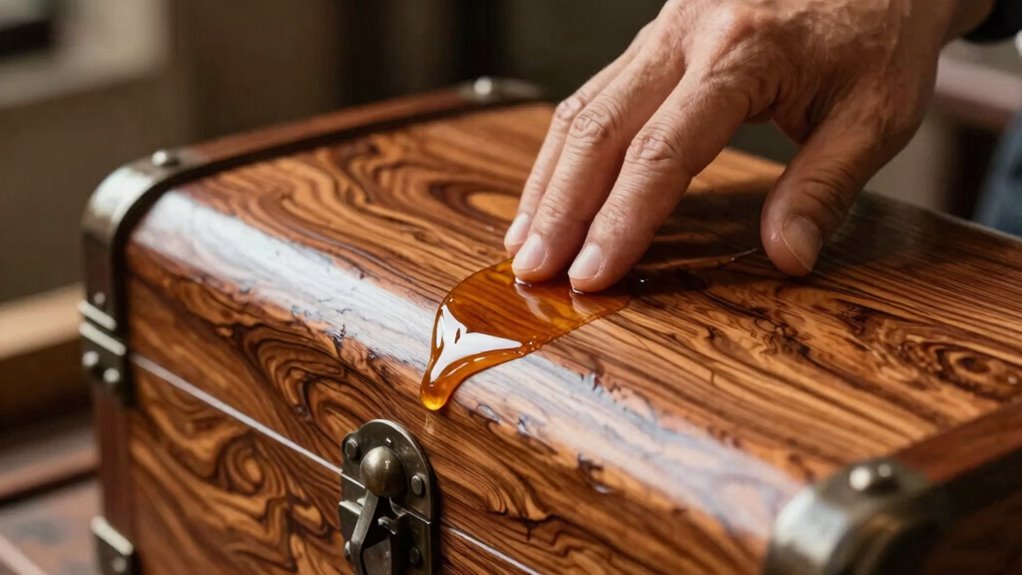
While wax creates a protective outer layer, nourishing organic trunk surfaces requires a different approach to maintain their natural qualities. Oil penetrates deeply into the wood, enhancing its natural finishes and highlighting the unique wood grains. Unlike wax, which sits on the surface, oil preserves the trunk’s moisture and flexibility, preventing cracks and drying out over time. Regular oiling keeps the surface supple and maintains its authentic look, allowing the wood’s character to shine through. Using oil is especially important for organic materials, as it sustains their health and beauty without masking their natural beauty. By choosing the right oil and applying it properly, you ensure your trunk remains vibrant, resilient, and true to its organic origins.
How to Properly Apply Polish, Wax, or Oil to Your Trunk
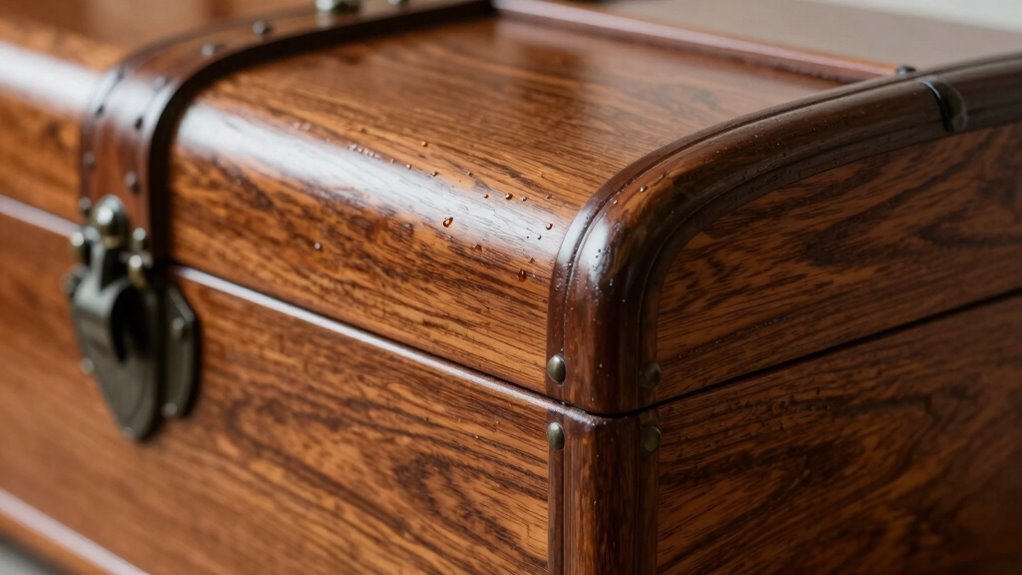
To guarantee your trunk receives the best care, you need to apply polish, wax, or oil correctly. Start by choosing the right product for your trunk’s material and condition—this is essential for effective application. Use a clean, soft cloth or applicator pad to prevent scratches and ensure even coverage. Apply the product sparingly, working in small sections to avoid buildup. Follow the recommended application technique, such as circular motions for polish or a light brushing for oil, to promote absorption and shine. Be sure to buff the surface gently after application to achieve a smooth, glossy finish. Proper product selection and careful application will help protect your trunk and extend its lifespan.
- Choose the right product for your material
- Use clean applicators for even coverage
- Apply in small, manageable sections
- Buff gently for a polished finish
Tips for Maintaining Your Trunk’s Shine and Durability Over Time

Maintaining your trunk’s shine and durability over time requires regular care and attention. Start by inspecting the trunk for signs of wear or damage, and perform trunk material restoration as needed to keep surfaces smooth and vibrant. Applying protective surface coatings periodically helps shield against moisture, dirt, and scratches, prolonging its lifespan. Clean the trunk with gentle products that won’t strip existing finishes, and always follow with a fresh layer of polish, wax, or oil to reinforce protection. Avoid neglecting any exposed areas, especially joints and edges, which are more vulnerable. Consistent maintenance not only preserves your trunk’s appearance but also enhances its durability, ensuring it stays attractive and functional for years to come.
Frequently Asked Questions
Can Polish, Wax, or Oil Be Used Together on the Same Trunk?
You can use polish, wax, and oil together on your trunk if you consider product compatibility and follow proper application techniques. First, clean the surface thoroughly. Apply the polish to restore shine, then use oil to nourish the material. Finish with a wax coating for protection. Be sure each product is compatible with your trunk’s material and allow adequate drying time between steps for the best results.
How Long Does Each Protective Treatment Typically Last?
Think of your trunk’s protection like a garden; each treatment has its own lifespan. Polish typically lasts 3-6 months, waxing can hold up for 6-12 months, and oil might need reapplication every 3-4 months. To keep it looking its best, you’ll want to contemplate treatment longevity and plan regular maintenance. Doing so ensures your trunk stays resilient and beautiful over time, much like a well-tended garden.
Are There Any Safety Precautions When Applying These Products?
Yes, you should take safety precautions when applying these products. Always wear protective gear like gloves and goggles to prevent skin and eye irritation. Make certain proper ventilation in your workspace to avoid inhaling fumes, especially in enclosed areas. Follow the manufacturer’s instructions carefully, and consider applying in a well-ventilated area or outdoors. Taking these steps helps protect your health and ensures effective application of the products.
Which Product Is Most Environmentally Friendly?
You should choose eco-friendly options like biodegradable products to protect your trunk materials. These environmentally friendly options minimize chemical runoff and reduce pollution, making them better for the planet. Look for products labeled as biodegradable or made from natural ingredients, as they are safer for the environment. By selecting eco-friendly options, you support sustainability while effectively preserving your trunk materials without harming ecosystems.
Can These Treatments Be Applied to Vintage or Antique Trunks?
Yes, you can apply these treatments to vintage or antique trunks, but with care. For vintage restoration and antique preservation, choose gentle, non-abrasive products and test on a small area first. Use oils carefully to avoid over-darkening, and avoid harsh polishes that might damage delicate surfaces. Properly applied, these treatments help maintain the trunk’s character while protecting its materials, ensuring your vintage piece stays beautiful for years.
Conclusion
Choosing the right product—polish, wax, or oil—can truly extend your trunk’s life and beauty. By understanding your trunk’s material and applying these products properly, you’ll enjoy a protected, shiny, and durable surface. Remember, neglecting regular maintenance can lead to damage over time. So, aren’t your trunk’s looks and longevity worth a little effort? Take the time to care for it correctly and keep it looking great for years to come.