
TL;DR

Get home appliances delivered free with Prime
- Fast, free delivery on millions of items
- Prime Video, Amazon Music and more included
- Member-only deals all year
A home advice report from Ideal Home outlines five signs that indoor moisture may be building up: wet windows, recurring mould, a musty smell, slow-drying laundry and humidity readings regularly above 60%. Experts say a dehumidifier can lower airborne moisture, but it will not repair leaks or other sources of water damage.
Ideal Home has published a guide identifying five signs of excess indoor moisture that may make a dehumidifier useful, including recurring wet windows, mould, musty odours, slow-drying laundry and humidity readings that regularly exceed 60%. The advice matters to households trying to distinguish everyday condensation from a persistent moisture problem, though the experts stress that a dehumidifier cannot fix leaks or water entering through damaged parts of a home.
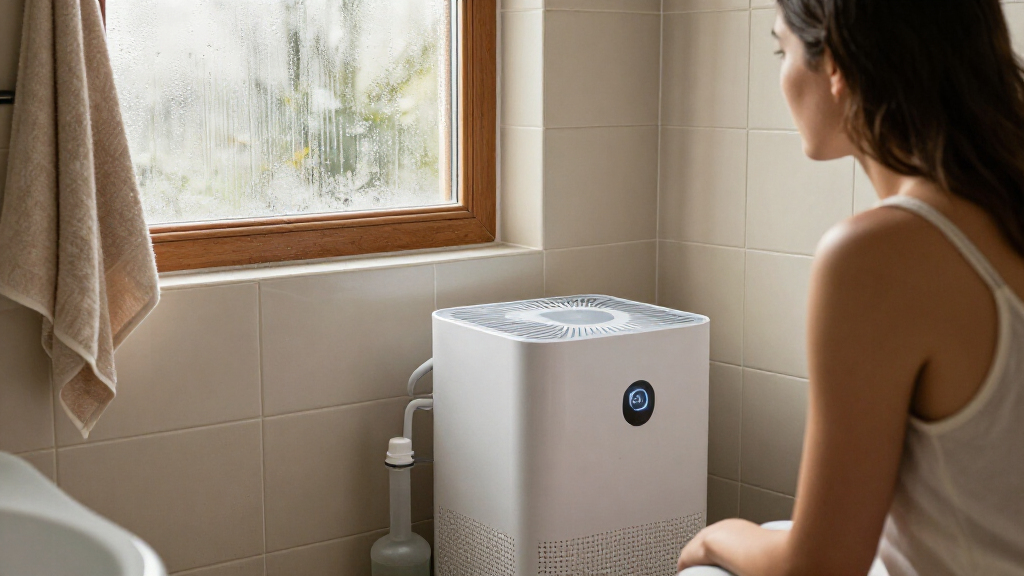
Chris Michael, co-founder of Meaco and an air-treatment expert, says condensation forms when moist air meets a cold surface. Repeatedly wiping windows removes visible water but does not reduce moisture in the air. The report advises checking humidity, keeping frames and sills dry, and using extractor fans when cooking or showering.
Recurring mould around window frames, in cold corners or behind furniture can also point to damp. Ebac director Pamela Petty says excess moisture may be associated with warped window ledges, peeling paint or wallpaper, and sticking doors. A dehumidifier may reduce airborne moisture, but a concentrated damp patch should prompt checks for a leak, roof problem or water entering through walls.
A lingering musty smell can appear before mould is visible, Michael says. The report recommends inspecting cupboards, wardrobes and areas behind furniture, where moisture may be less obvious. It also identifies laundry that takes days to dry indoors as a possible clue: wet clothes release moisture, while cool temperatures and closed windows can slow drying.
When Moisture Needs Attention
Persistent indoor moisture can affect more than window glass. The signs described in the report may help residents notice damp in hidden places and investigate its cause before damage becomes more apparent. The advice is especially relevant during cooler months, when people tend to keep windows closed and dry more washing indoors.
A dehumidifier can remove moisture from the air and may help with laundry drying, but it is one part of managing a damp home. Finding and addressing the source remains necessary if water is coming from a plumbing leak, roof defect or damaged wall. Treating visible mould and improving ventilation may also be needed.
As an affiliate, we earn on qualifying purchases.
How Indoor Moisture Builds
Cooking, showering and drying clothes indoors all release water vapour. According to the Ideal Home report, this moisture can be harder to clear in autumn and winter, when cooler conditions and closed windows limit ventilation. It may then settle on colder surfaces or in areas with less air movement.
The report recommends using an inexpensive hygrometer to check relative humidity over several days. Michael says readings regularly above 60% indicate excess moisture and suggests around 55% as a target for UK homes. A single high reading just after a shower may not reflect the home’s usual conditions.
“Wiping the glass removes the water, but it does not address the excess moisture in the air.”
— Chris Michael, Meaco co-founder and air-treatment expert
portable dehumidifier for indoor moisture
As an affiliate, we earn on qualifying purchases.
As an affiliate, we earn on qualifying purchases.
What The Signs Cannot Confirm
These clues do not establish the source of damp or show that every home with condensation needs a dehumidifier. Slow laundry drying can also reflect room temperature, airflow and how closely clothes are hung. Likewise, a humidity reading can vary with recent showers or cooking, which is why the report recommends checking over several days.
The source material does not give a publication date, independent measurements of how often these signs indicate a moisture problem, or a comparison of dehumidifier models and running costs. It also does not specify one humidity threshold as a diagnosis of damp. Persistent or localised moisture may have a structural or plumbing cause that the appliance cannot address.
digital hygrometer for humidity monitoring
As an affiliate, we earn on qualifying purchases.
As an affiliate, we earn on qualifying purchases.
Check Readings And Find Sources
Households concerned about damp can begin by checking humidity across several days and inspecting windows, cold corners, cupboards and areas behind furniture. The report advises using extractor fans during cooking and showers, keeping airflow around furniture, and spacing clothes on an indoor airer.
If a dehumidifier is used for regular indoor laundry drying, the experts recommend looking for a dedicated laundry mode and following the appliance’s placement instructions. Persistent mould, concentrated damp or signs of water damage warrant investigation of the underlying cause; the report does not provide a timetable for further guidance or identify a follow-up study.
compact laundry drying dehumidifier
As an affiliate, we earn on qualifying purchases.
As an affiliate, we earn on qualifying purchases.
Key Questions
What are the five signs that a dehumidifier may help?
The report lists recurring wet windows, mould around windows or behind furniture, a persistent musty smell, laundry that dries slowly indoors and humidity readings regularly above 60%.
What humidity level does the report recommend?
Meaco’s Chris Michael recommends around 55% relative humidity for UK homes. He says readings regularly above 60% suggest excess moisture; one reading after a shower may not represent usual conditions.
Can a dehumidifier fix mould or a leak?
A dehumidifier can reduce moisture in the air, but it will not repair a leaking pipe, roof problem or water entering through a damaged wall. The source of persistent or localised damp should be investigated, and existing mould may need separate treatment.
Why might indoor laundry take longer to dry in autumn and winter?
Cooler temperatures and closed windows can make it harder for clothes to dry and for moisture to leave the home. The report also says temperature, airflow and how closely garments are hung affect drying time.
Source: rss
Fall yard work Picks
leaf blowers
As an affiliate, we earn on qualifying purchases.