
TL;DR
An Ideal Home report identifies five possible signs of pest contamination in loft insulation: noises, musty smells, damaged or compacted material, tunnels and ceiling water or gnaw marks. Experts quoted in the report advise against sweeping or vacuuming suspected contamination and recommend professional pest control and safe insulation replacement.
An Ideal Home report lists five signs that pests may have contaminated loft insulation: scratching or scurrying noises, a musty smell, shredded or flattened insulation, visible tunnels, and gnaw marks or water marks on ceilings. Experts quoted in the report say damaged or soiled insulation may work less effectively, and warn homeowners not to disturb suspected contamination without suitable protection.

Get home appliances delivered free with Prime
- Fast, free delivery on millions of items
- Prime Video, Amazon Music and more included
- Member-only deals all year
The report says rodents and squirrels can compress insulation, reducing its effectiveness and creating cold spots. Droppings and urine may also contaminate the material. The report does not establish that any one sign proves an infestation; the listed clues may warrant closer inspection.
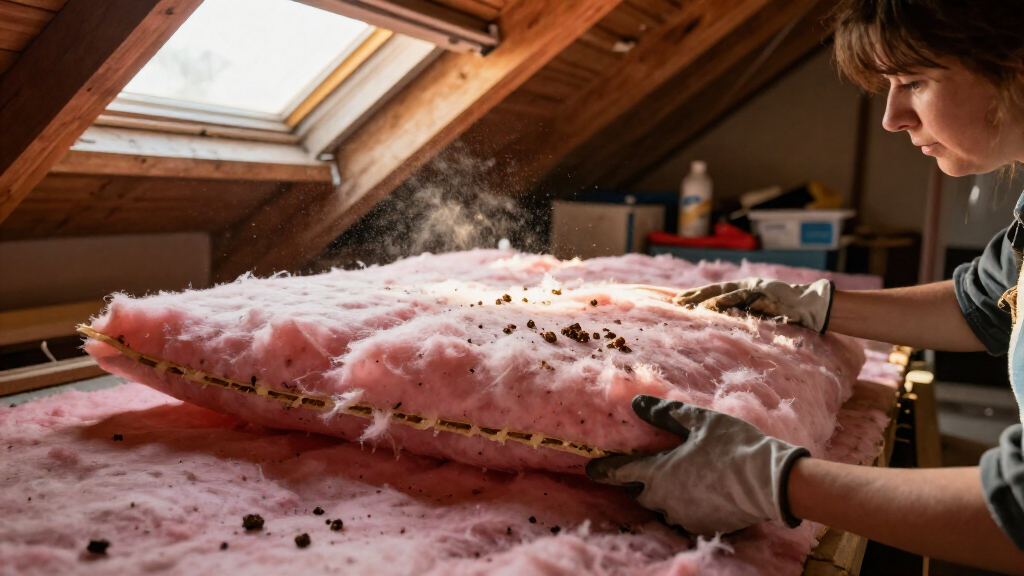
Warning signs include noises in the loft, particularly at night, and a persistent musty smell. On inspection, homeowners may find insulation pulled aside, flattened into trails along joists, shredded into nesting material near the eaves, or marked by tunnels. The report says likely pests include mice, rats, squirrels and birds.
Ceiling water marks may point to a leak and damp or mouldy insulation, which can also reduce performance. They do not, by themselves, confirm pest activity. Experts quoted by Ideal Home advise dealing with the pest problem before replacing compromised insulation and sealing likely access points, including gaps around pipes, eaves and vents.
How Contamination Affects Home Insulation
Contaminated or compressed insulation can leave parts of a loft less effective at retaining heat, while signs of damp may point to a separate problem that also affects the material. For homeowners, this can complicate efforts to interpret cold spots or higher energy bills, especially during winter, when colder weather itself can increase heating use.
The report identifies possible health concerns from contact with droppings and urine, but does not assess the risk for a particular home or infestation. Its practical message is to avoid spreading dust or particles: George Penny, a home energy expert at The Solar Co, advises against sweeping or vacuuming suspected contamination. Professional assessment can help identify the pest, the extent of damage and whether insulation needs replacing.
Products Worth Considering

Dyson V15 Detect Cordless Vacuum

Shark Cordless Anti-Allergen Pet Power Stick Vacuum, Blue, IZ363HT

Bose SoundTouch 10 Wi-Fi Speakers, 2-Pack, Black
As an affiliate, we earn on qualifying purchases.
Why Loft Checks Matter in Winter
The report frames the advice as a seasonal home check: insulation may be less effective over time, and colder weather can make it harder to tell whether rising heating costs reflect the weather or a problem with the loft. It recommends looking for evidence beyond energy bills, including noise, smell and visible disturbance.
Ideal Home spoke to George Penny, Mike Storey, founder and technical manager at UKFR Roofing & Insulation, and Mosh Latifi, co-owner of EcoCare Pest Management. Their comments support the report’s practical guidance, but the supplied material does not include an independent survey, prevalence figures or evidence that the signs apply to every property.
“Rodents and squirrels compress the insulation, which reduces its effectiveness and creates cold spots, and they can contaminate it with droppings and urine, which may pose a health risk.”
— George Penny, Home Energy Expert at The Solar Co
What the Warning Signs Cannot Confirm
The listed clues are indicators, not a diagnosis. The report does not say how reliably any sign identifies a pest, or how to distinguish pest damage from other causes such as a leak, ordinary wear or unrelated noises. A water mark can indicate moisture without proving an infestation.
The source material provides no inspection findings for a specific home, no data on how common contaminated insulation is, and no confirmed cost for removal. It gives an approximate figure of about £500 for removing old insulation, while stressing that the final price depends on location, loft size and contamination. That figure is not a quote or guaranteed cost.
Safe Steps After a Suspected Infestation
If signs appear, the experts quoted by Ideal Home advise avoiding direct contact and not sweeping or vacuuming the affected area. Homeowners should contact a professional pest controller to identify and address the pest, then arrange an assessment of damaged insulation. Latifi says insulation that is soiled may need replacing; the report recommends leaving removal and replacement to a professional where possible.
Once the pest issue is dealt with, the report advises locating and sealing entry points to reduce the chance of recurrence. Anyone considering do-it-yourself removal should use appropriate protective equipment, including gloves and a suitable mask, and check local disposal rules. The source gives no timeline for inspections or repairs; the next steps depend on the pest, the extent of contamination and any moisture damage.
Key Questions
What are the five signs of pests in loft insulation?
The report lists scratching or scurrying noises, a persistent musty smell, shredded or compacted insulation, visible tunnels, and gnaw marks or water marks on ceilings. These signs may prompt an inspection but do not prove an infestation on their own.
Should I sweep or vacuum suspected pest contamination?
No. George Penny advises against sweeping or vacuuming because this may put hazardous particles into the air. Avoid handling the material and seek advice from a pest-control or insulation professional.
Does contaminated insulation always need replacing?
The experts quoted in the report say soiled or damaged insulation may need replacement, but the decision depends on its condition and the extent of contamination. Arrange an assessment after the pest problem has been addressed.
How much can insulation removal cost?
The source gives an approximate cost of about £500, but says the price depends on location, loft size and how contaminated the insulation is. It is an estimate, not a fixed price.
How can pests be kept out after repairs?
The report advises finding and sealing access points, including gaps around pipes, eaves and vents. A professional can help locate entry routes and check that the repair addresses the source of the problem.
Source: idealhome.co.uk