If your De’Longhi espresso machine is leaking water, it can be frustrating and may affect your daily coffee routine. Water leaks can stem from various issues, from simple blockages to more complex component failures. Fortunately, many problems are fixable with careful troubleshooting and maintenance.

Get home appliances delivered free — and shop member deals
- Fast, free delivery on millions of items
- Access to Prime Big Deal Days deals on October 6–7
- Prime Video, Amazon Music and more included
In this guide, we’ll walk you through practical, step-by-step solutions to identify the cause of water leaks and how to fix them safely. Whether you’re experiencing a slow drip or a continuous leak, these tips will help restore your machine’s performance and ensure your coffee-making process stays smooth and mess-free.
Key Takeaways
| Identify common causes | Leaks often result from blocked or damaged components, or mineral buildup. |
| Step-by-step troubleshooting | Follow clear instructions to locate and fix the leak source. |
| Prevent future leaks | Regular maintenance like descaling and filter replacement prolongs machine life. |
| Safety first | Always unplug the machine before performing repairs or maintenance. |
Recognize the Signs of Water Leaking
The first step is to observe where and how the water is leaking. Common signs include water pooling at the base, a steady drip from the group head, or water leaking from the water tank area. Noticing these signs early helps narrow down the cause.
In my experience, a persistent leak often indicates a blockage or a worn-out seal. Check if the leak occurs during operation or when the machine is idle. This distinction can help identify if the problem is related to internal components or external connections.
Step 1: Unplug and Empty the Water Tank
- Turn off your De’Longhi espresso machine and unplug it from the power outlet.
- Remove the water tank carefully and empty any remaining water.
- Inspect the water tank for cracks, damage, or loose fittings.
- Clean the tank and its connection points to ensure no debris or mineral buildup is causing blockages.
Always ensure the machine is unplugged before handling internal parts to prevent electrical hazards.
Step 2: Check for Blockages and Clogs
- Look at the water inlet and outlet valves for any mineral deposits or debris. These can restrict water flow and cause leaks.
- Use a soft brush or a toothpick to gently clear out any obstructions.
- Run a descaling process if you suspect mineral buildup, especially if your water is hard.
- Inspect the brewing group and the steam wand for clogs as well.
Regular descaling with products like De’Longhi EcoDecalk can prevent mineral deposits from causing leaks.
Step 3: Examine Seals, Gaskets, and Connections
Leaks can occur from worn or damaged seals and gaskets. Carefully inspect the area around the brew head, water tank connection, and the drip tray for signs of deterioration.
If you notice cracks or if seals are loose, replacing these parts is often the best fix. Consult your user manual or contact De’Longhi support for compatible replacement parts.
Ensure all connections are snug but not overtightened, as overtightening can damage components.
Step 4: Test and Reassemble the Machine
- After cleaning and inspecting, reassemble all parts carefully.
- Fill the water tank, ensuring it is seated properly.
- Plug in the machine and run a test brew without any coffee to observe for leaks.
- If the leak persists, repeat the inspection process or consider professional repair.
Always follow safety guidelines when performing maintenance, and never operate the machine if you notice damage or unresolved leaks.
Tips and Warnings for Safe and Effective Maintenance
- Always disconnect the machine from power before opening or cleaning internal parts.
- Use only recommended replacement parts and descaling solutions to avoid damage.
- Perform regular descaling, especially if you use hard water, to prevent mineral buildup.
- Check seals and gaskets periodically for wear and replacement needs.
- Contact professional repair services if you’re unsure or if the leak persists after troubleshooting.
Safety precautions protect both you and your machine, ensuring longevity and optimal performance.
The Products in This Guide
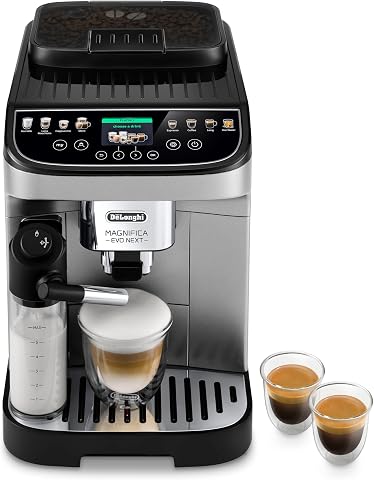
De’Longhi Magnifica Evo Next Fully Automatic Espresso Ma
- ✔ Water Filter: Optional for better water quality
- ✔ Descaling: Use EcoDecalk or EcoDecalk Descaler
- ✔ Maintenance: Regular cleaning and seal inspection

De’Longhi Replacement Water Filter
- ✔ Filter Type: Water filtration
- ✔ Replacement Cycle: Every 2-3 months
- ✔ Ease of Use: Quick installation
De’Longhi Magnifica Evo Next Fully Automatic Espresso Ma
The De’Longhi Magnifica Evo Next Fully Automatic Espresso Machine is a versatile and reliable choice for coffee lovers. Its programmable features, built-in grinder, and milk frother make it a top-tier option, but like all machines, proper maintenance is key to preventing leaks.
Pros:
- Ease of use with one-touch recipes
- Built-in conical burr grinder
- Automatic milk frother and steamer
- Programmable settings for customization
Cons:
- Can be complex to disassemble for repairs
- Requires regular descaling to prevent issues
- Some parts may need professional replacement
Best for: Home baristas seeking a fully automatic, feature-rich espresso machine
Not ideal for: Users uncomfortable with routine maintenance or repairs
Bottom line: A premium espresso machine with features to suit serious coffee lovers, but requires regular maintenance to prevent leaks.
De’Longhi Replacement Water Filter
Replacing the water filter regularly helps prevent mineral buildup and leaks. The De’Longhi Replacement Water Filter is designed to optimize water quality for your machine, reducing the risk of clogs and damage.
Pros:
- Improves water taste
- Prevents lime scale buildup
- Easy to install
- Enhances machine efficiency
Cons:
- Needs replacement every 2-3 months
- Additional cost over time
Best for: Maintaining optimal water quality and preventing leaks
Not ideal for: If your water source is already filtered or soft
Bottom line: A simple upgrade to prevent mineral buildup and extend your machine’s life.
Frequently Asked Questions
Why is my De’Longhi espresso machine leaking water?
Common causes include mineral buildup, worn seals or gaskets, blockages in the water inlet or outlet, or damage to internal components. Regular maintenance can help prevent these issues.
How do I prevent my espresso machine from leaking?
Perform regular descaling, replace water filters as recommended, check seals and gaskets periodically, and ensure all connections are snug and properly fitted.
Can I fix a leak myself?
Yes, many leaks can be fixed at home by cleaning components, inspecting seals, and replacing worn parts. However, for complex internal damage, professional repair is advised.
How often should I descale my De’Longhi machine?
It depends on your water hardness, but generally every 2-3 months is recommended. Using products like De’Longhi EcoDecalk can simplify this process.
When should I replace the water filter?
Replace the water filter approximately every 2 months or when the indicator suggests, to maintain optimal water quality and prevent leaks caused by mineral deposits.
Keep Your Coffee Brewing Leak-Free
Water leaks in your De’Longhi espresso machine can often be resolved with simple maintenance and careful inspection. Regular descaling, replacing worn seals, and keeping connections tight help prevent future issues.
Remember to always unplug your machine before performing any repairs or cleaning, and consult professional repair services if the leak persists or if you’re unsure about handling internal components. With proper care, your espresso machine will continue delivering delicious coffee for years to come.
Affiliate disclosure: As an Amazon Associate we earn from qualifying purchases. Prices and availability are accurate as of the time of publishing.
Cold & flu season Picks
humidifiers
As an affiliate, we earn on qualifying purchases.