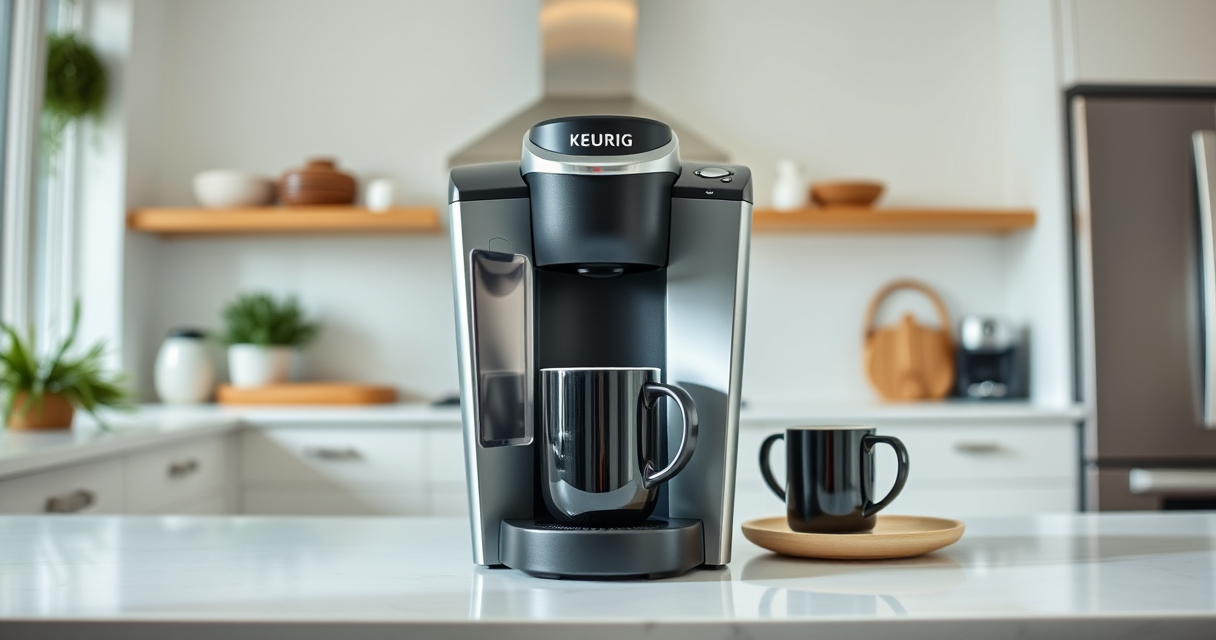
If your Keurig K-Mini Single Serve Coffee Maker isn’t brewing full cups, it can be frustrating. Often, the issue is related to mineral buildup, clogs, or water flow problems. This guide provides clear, step-by-step instructions to troubleshoot and fix the problem safely, helping you enjoy your coffee as intended.

Get home appliances delivered free with Prime
- Fast, free delivery on millions of items
- Prime Video, Amazon Music and more included
- Member-only deals all year
Before starting, ensure your machine is unplugged for safety, and gather necessary cleaning supplies and descaling solutions if needed.
Key Takeaways
| Check for clogs | Clogs in the water pathway are common causes of partial brewing. |
| Descale regularly | Mineral deposits can restrict water flow, requiring periodic descaling. |
| Clean the needle | Coffee grounds or debris can block the needle and disrupt brewing. |
| Inspect water reservoir | Ensure the water reservoir is properly seated and filled. |
Step 1: Ensure Proper Water Level and Reservoir Placement
- Remove the water reservoir from your Keurig and empty any remaining water.
- Refill with fresh, clean water up to the max fill line.
- Reinstall the reservoir securely, ensuring it clicks into place.
- Make sure the reservoir is properly aligned and seated in the machine.
Step 2: Run a Water-Only Brew Cycle to Clear Obstructions
Place a large mug on the drip tray, ensure no K-Cup is inserted, and run a brew cycle with just water. Repeat 2-3 times to flush out any blockages.
Step 3: Clean the Needle and Brew Path
- Turn off and unplug your Keurig.
- Use a paperclip or the cleaning tool provided to gently clear the needle of any coffee grounds or debris.
- Check the exit needle for clogs, and clear as needed.
- Wipe the surrounding area with a damp cloth.
Step 4: Descale the Machine
Mix descaling solution according to the manufacturer’s instructions and run a descaling cycle. Follow with 2-3 rinse cycles with clean water to remove any residue.
Additional Tips and Warnings
- Use filtered or distilled water to minimize mineral buildup.
- Avoid forcing the brew if the machine seems clogged; forcing can damage internal parts.
- Perform descaling every 3-6 months, depending on water hardness.
The Products in This Guide
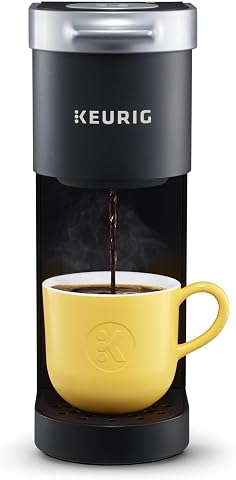
Keurig K-Mini Single Serve K-Cup Pod Coffee Maker
- ✔ Capacity: 6-12oz
- ✔ Size: Less than 5 inches wide
- ✔ Mug Height: Up to 7 inches
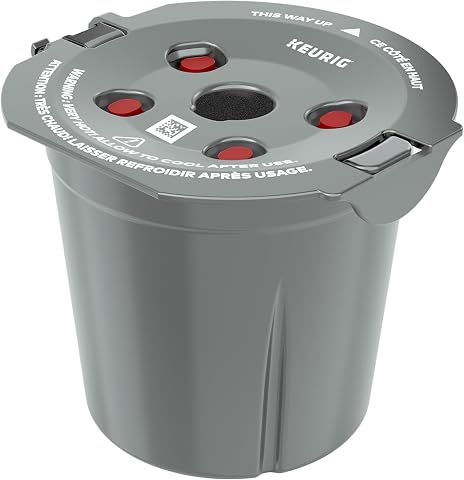
My K-Cup® Reusable Coffee Filter
- ✔ Size: Fits standard K-Cup holder
- ✔ Material: Plastic
- ✔ Cleaning: Dishwasher safe
Keurig K-Mini Single Serve K-Cup Pod Coffee Maker
The Keurig K-Mini Single Serve Coffee Maker is ideal for small spaces and offers quick, fresh brews. Its simple design makes maintenance straightforward, and descaling helps prevent brewing issues like partial cups.
Pros:
- Compact size fits small spaces
- Brews 6-12oz cups
- Removable drip tray for travel mugs
- Easy to clean
Cons:
- Limited water reservoir capacity
- No digital display
- Requires regular descaling
Best for: Small apartments, offices, or travel use
Not ideal for: Users needing large capacity or advanced features
Bottom line: A compact, reliable coffee maker perfect for small spaces that brews quickly and easily.
My K-Cup® Reusable Coffee Filter
The My K-Cup® Reusable Coffee Filter allows you to brew your favorite ground coffee, reducing waste and saving money. Compatible with your Keurig K-Mini, it’s a great addition for personalized brewing.
Pros:
- Customizable coffee strength
- Cost-saving over K-Cup pods
- Easy to clean
- Made by Keurig
Cons:
- Requires ground coffee prep
- Possible clog if not cleaned
- Need to measure coffee properly
Best for: Coffee enthusiasts wanting control and savings
Not ideal for: People preferring convenience of K-Cup pods
Bottom line: A versatile, eco-friendly option to brew with your own ground coffee.
Frequently Asked Questions
Why is my Keurig not brewing a full cup?
Common causes include mineral buildup, clogs in the needle or water pathway, or low water levels. Regular cleaning and descaling can prevent this issue.
How often should I descale my Keurig?
It’s recommended to descale every 3 to 6 months, depending on your water hardness and usage frequency.
Can I use ground coffee instead of K-Cups?
Yes, with a reusable filter like the My K-Cup, you can brew your own ground coffee, offering more control over flavor and cost.
What should I do if my machine still doesn’t brew full cups after cleaning?
Check for internal clogs, ensure the water reservoir is properly seated, and consider descaling again. If problems persist, contact customer support.
Enjoy Perfect Coffee Every Time
With these troubleshooting steps, your Keurig K-Mini should brew full cups again. Regular maintenance, including descaling and cleaning the needle, helps keep your machine in top shape. Now, you can enjoy your favorite beverages without interruption, ensuring each cup is just right.
Affiliate disclosure: As an Amazon Associate we earn from qualifying purchases. Prices and availability are accurate as of the time of publishing.
NFL season / tailgating Picks
team gear
As an affiliate, we earn on qualifying purchases.