
TL;DR
A homeowner’s recently completed basement developed a persistent sewage odor. The issue was traced to a blocked drain line, not a plumbing failure. The incident underscores the importance of proper inspection during renovations.
A homeowner’s newly finished basement began emitting a strong sewage smell shortly after completion. The source was identified as a blocked drain line, not a plumbing failure or leak. This development highlights potential oversights in construction and renovation processes that can lead to costly and unpleasant surprises.

Get home appliances delivered free with Prime
- Fast, free delivery on millions of items
- Prime Video, Amazon Music and more included
- Member-only deals all year
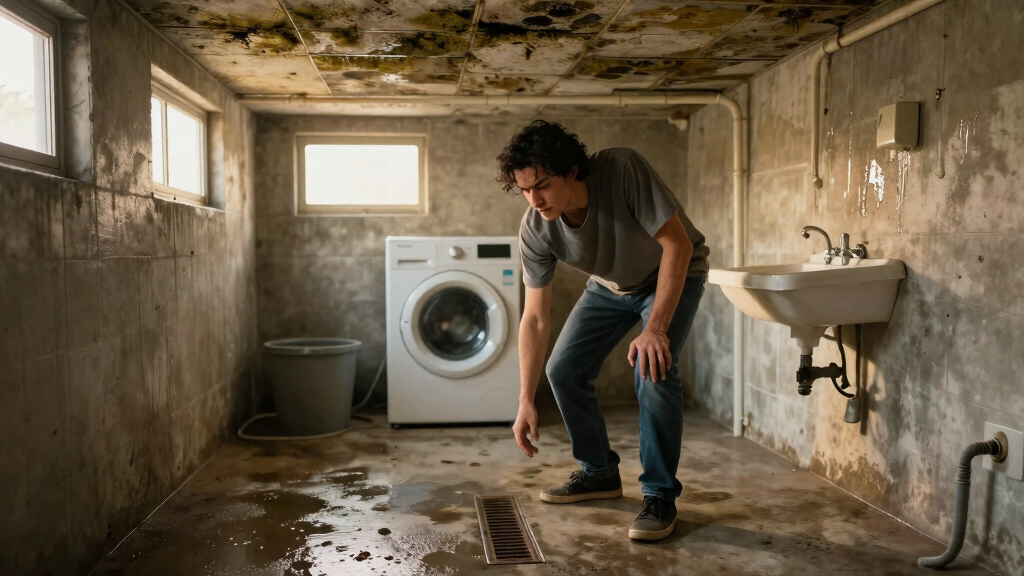
The homeowner, who recently completed renovation work on their basement, reported the persistent foul odor that made the space uninhabitable. After inspection by a licensed plumber, it was confirmed that the smell originated from a clogged drain pipe that was not properly cleared during construction. The blockage caused sewage gases to back up into the basement, creating the odor.
According to the plumber, the issue was not caused by a leak or broken pipe but by debris and improper drainage setup during the renovation process. The homeowner stated that the problem was resolved after the drain was cleared and disinfected, but the incident has raised concerns about quality control in home renovations.
Potential Risks and Costly Repairs for Homeowners
This incident underscores the importance of thorough inspections during and after home renovations. Unaddressed drainage issues can lead to persistent odors, health risks from sewage gases, and expensive repairs if left unchecked. It also highlights the need for homeowners to verify that proper plumbing protocols are followed to prevent such problems.
Products Worth Considering

Philips Hue Starter Kit with Bridge Pro and 4 A19 E26 Smart Bulbs

Philips Hue Smart Light Starter Kit with Bridge and 4 White and Color A19 Bulbs

Bose TV Speaker (2nd Gen) – Compact Soundbar with Bluetooth and HDMI‑ARC Connectivity, Clear Dialogue, Dolby Atmos, Deep Bass, Remote Contro
As an affiliate, we earn on qualifying purchases.
Common Causes of Sewage Odors in Newly Renovated Basements
Sewage odors in basements are often caused by leaks, broken pipes, or improper venting. However, in this case, the cause was a clogged drain line that was not identified during construction. Such issues can arise from debris, improper installation, or inadequate inspection procedures. This event follows a pattern where overlooked drainage problems lead to significant post-renovation issues.
“The main cause was a blockage in the drain line, which prevented sewage gases from venting properly. It’s a common oversight during renovations if the drainage system isn’t thoroughly checked.”
— Licensed plumber
Unresolved Questions About Inspection and Prevention
It is not yet clear whether the drainage blockage was due to construction negligence or an isolated oversight. The extent of inspection failures during the renovation process remains under review, and whether similar issues could affect other homes is uncertain.
Next Steps for Homeowners and Industry Standards
The homeowner plans to have the drainage system inspected regularly to prevent recurrence. Industry experts suggest that renovation companies implement stricter inspection protocols, including comprehensive drainage checks. Further investigations may lead to revised standards for home renovation inspections to avoid similar incidents.
Key Questions
What caused the sewage smell in the basement?
The smell was caused by a blocked drain line that allowed sewage gases to back up into the basement space.
Could this have been prevented?
Yes, thorough inspection of the drainage system during construction could have identified and addressed the blockage before the home was finished.
Is this a common problem in home renovations?
While not universal, drainage and plumbing issues are common if proper inspection and quality control are not enforced during renovations.
What should homeowners do if they experience similar issues?
Homeowners should contact licensed plumbers for thorough inspections and ensure that drainage and venting systems are properly checked before completing renovations.
Are there health risks associated with sewage odors?
Yes, sewage gases can contain harmful compounds like methane and bacteria, posing health risks if inhaled over prolonged periods. Immediate inspection and remediation are recommended.
Source: rss