TL;DR

Get home appliances delivered free with Prime
- Fast, free delivery on millions of items
- Prime Video, Amazon Music and more included
- Member-only deals all year
Hunker published a DIY guide showing how to turn old, heat-treated wood pallets into a rustic planter using basic carpentry tools and fasteners. The guide outlines a box-frame build, design options and checks for damaged or chemically treated wood; it does not report a new product launch or tested performance results.
Hunker has published a DIY guide for building a rustic planter from old wood pallets, describing a box-shaped design that can be adjusted for different plants and spaces. The instructions call for using pallets marked HT, meaning heat-treated, and removing seriously damaged wood before assembly, making material selection an important part of the project.
The guide says builders can source pallets left over from deliveries, including through businesses or online listings, and recommends choosing boards in relatively good condition. It advises looking for the HT mark, which indicates heat treatment rather than chemical preservation that could leach into soil. The source does not provide a method for verifying the history of an unmarked pallet.
For the basic structure, the instructions call for four corner posts or eight boards joined in pairs to make L-shaped corners, plus eight horizontal pieces for the top and bottom edges. Builders attach these pieces with wood glue, nails or screws, then cover the frame’s sides and bottom with flat boards. A saw and sander are listed among the basic tools; paint or stain is optional.
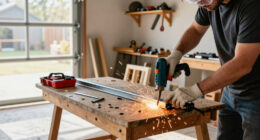
The guide recommends wearing gloves when taking a pallet apart because of exposed nails, and says cutting the pallet may help avoid splitting boards. Rot and damage that could weaken the planter should be trimmed away. The finished box can be left bare, painted, stained or given different exterior board patterns. For a cautious approach to uncertain durability, Hunker suggests keeping plants in their original pots and placing those pots inside the wooden planter.
A Reuse Project With Material Checks
The instructions offer a way to reuse discarded shipping materials while making a planter to a chosen size and style. That flexibility may appeal to people who want to fit a container to a porch, patio or indoor space rather than buy a ready-made planter, though the guide does not compare project costs with retail options.
The material advice matters because pallets can vary in condition and treatment. Selecting an identifiable heat-treated pallet and removing unstable wood are practical steps, but they do not establish that every pallet is appropriate for growing every type of plant. The article’s suggestion to keep plants in pots also avoids relying on the pallet box alone to contain soil or protect a plant if boards fail.
Products Worth Considering

Philips Hue Festavia 130-Foot Indoor/Outdoor Smart String Lights, 500 Mini Color-Changing LEDs

Dyson Cyclone V10 Origin Cordless Vacuum

Dyson V8 Cyclone Cordless Vacuum
As an affiliate, we earn on qualifying purchases.
From Pallet Frame to Planter
The source frames the project as a beginner-accessible build with room for more experienced woodworkers to modify the finish. Its simplest design uses a rectangular or cube-like frame, with boards added across the sides and base. Larger planters require more lumber and may take more than one pallet; multiple planters likewise require additional material.
Exterior boards can be installed vertically or horizontally for a straightforward rustic finish. The guide also describes adding a top border around the opening, setting boards inside the frame to create a neater appearance, or arranging boards diagonally in a barn-door pattern. It recommends reserving more visually worn boards for the exterior and using better-condition pieces for the internal frame or bottom.
“Look for ones in relatively good condition that are marked HT.”
— Hunker DIY guide
Pallet History and Durability
The supplied report does not state when the guide was published, offer independent testing of the planter, or give load limits, dimensions, costs or a project completion time. It also does not explain how to confirm the treatment of pallets that lack a legible HT marking. As a result, readers cannot infer from the article alone that any particular reclaimed pallet is untreated or suitable for a specific crop.
Performance will depend on the pallet’s condition, the build and how the planter is used. The source does not report how the design holds up outdoors over time, whether the wood needs a liner or drainage modifications, or which finishes are appropriate for plants. Those details are not established in the provided material.
Check Materials Before Building
The guide gives readers a sequence to follow: inspect the pallet, choose and cut usable boards, assemble the corner frame, then cover the sides and bottom. Before starting, builders should confirm that they have enough sound wood for the intended dimensions and use appropriate hand and eye protection when cutting, sanding or handling boards with nails. The source does not specify a formal next milestone or report follow-up testing.
After assembly, the design can be customized with a bare finish, paint or stain and arranged to suit the intended plants. Anyone uncertain about the pallet’s treatment or structural condition should avoid using it for a planter intended to hold edible plants or heavy, wet soil; the article itself does not provide a way to resolve those uncertainties beyond recommending marked, sound wood.
Key Questions
What kind of pallet does the guide recommend?
Hunker recommends pallets in relatively good condition marked HT, indicating heat treatment rather than chemical preservation. The provided source does not say how to verify the history of an unmarked pallet.
What tools and materials are needed?
The guide lists a saw and sander, pallet boards, and wood glue, nails or screws. Paint or stain is optional. The exact tools and amount of wood depend on the planter’s planned size.
How is the planter frame assembled?
Build four corners from posts or paired L-shaped boards, connect them with horizontal pieces at the top and bottom, then cover the frame’s sides and base with flat boards. The guide allows the bottom rails to sit flush or slightly raised to create legs.
Can plants remain in their original pots?
Yes. Hunker suggests placing potted plants inside the planter if the builder is concerned that the pallet boards may not hold up. This keeps the plant in its existing pot rather than relying on the wooden box alone.
What safety step does the guide mention when dismantling a pallet?
It advises wearing gloves to protect against nails and says cutting boards apart may reduce the chance of cracking them. Builders should also take care with cutting and sanding tools.
Source: hunker.com