TL;DR

Get home appliances delivered free with Prime
- Fast, free delivery on millions of items
- Prime Video, Amazon Music and more included
- Member-only deals all year
Interior designers Jo Lyle and Bethany Adams describe growing interest in the snug: a small, enclosed room or nook designed for reading, resting or spending time with someone. Their advice, reported by Veranda, focuses on finding an appropriately compact space and using built-ins, layered textiles and deliberate lighting. The report does not provide sales, survey or search data to measure how widespread the trend is.
Interior designers are adapting small, enclosed rooms and alcoves into snugs—personal retreats for reading, resting or conversation—according to a recent report by Veranda. Designers Jo Lyle and Bethany Adams say the spaces work best when they feel intentionally compact, with built-ins, soft furnishings and carefully directed light; the report offers design observations, not data measuring how widespread the interest is.
Lyle told Veranda that a European getaway prompted her clients to request a cozy room beside their primary bedroom. They wanted a place to read and listen to their record collection, so she designed a recessed bookshelf that also holds a record player. The shelf’s back uses the same wallpaper as the ceiling, connecting the room’s surfaces.
Adams recommends looking for attic alcoves, spaces under eaves, quirky corners and underused closets, rather than trying to create a snug in a large, open room. Existing window seats and bay windows can help anchor the layout. Built-in seating or storage can make a small footprint useful while creating the sense of enclosure that defines the design.
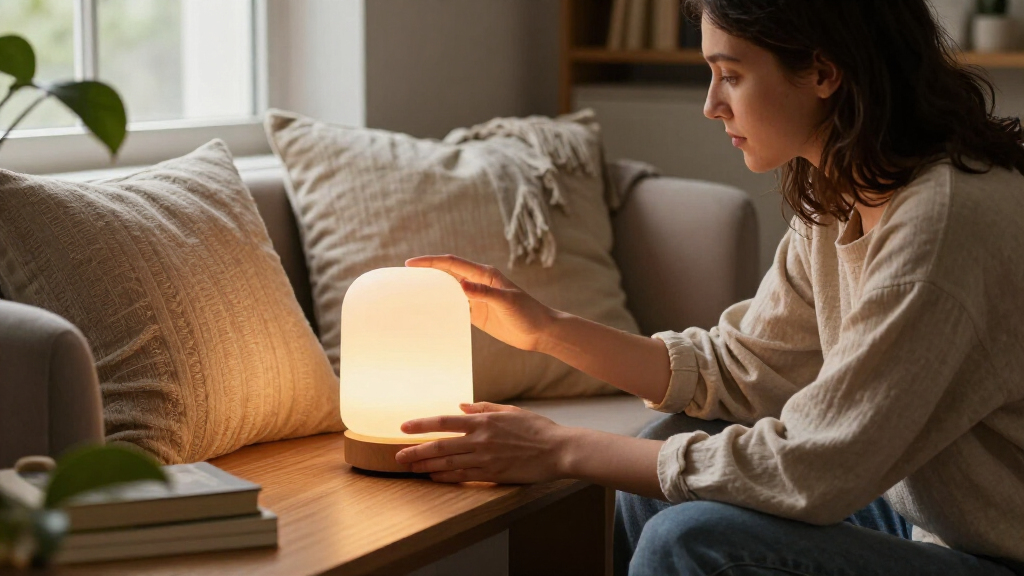
Both designers describe light and texture as practical tools for shaping the room’s mood. Lyle suggests starting with the minimum light needed, then choosing fixtures for the task: a traditional shade can spread a soft glow, while a sconce can direct light toward a book or chair. Layered curtains, textured wallpaper, pillows and blankets add softness. The report also notes that a snug need not be dark: Adams points to bright, colorful attic spaces as another approach.
Small Rooms Gain a New Purpose
The snug gives homeowners a way to make awkward or underused space serve a specific purpose without treating every room as an open, multipurpose area. A window recess, attic corner or spare closet can become a reading spot or a quiet place to rest, provided the dimensions support the intended use.
The designers’ advice also frames the snug as a design decision rather than a fixed style. Its defining feature is the sense of enclosure, not a particular color palette or furnishing. That makes the idea adaptable to different homes and budgets, although the report does not establish how many people are adding one or whether the trend is driving renovation spending.
As an affiliate, we earn on qualifying purchases.
From Pub Alcoves to Home Retreats
The term has historical associations: the Veranda report describes snugs as small, private rooms in 19th-century Irish pubs. Adams also connects compact, enclosed spaces with older homes and the practical desire to retain warmth. She recalled encountering the idea at Colonial Williamsburg as a child, describing it as part of the fabric of American historical design.
Today’s examples serve different household needs. Adams’s own 1876 home has a snug her children used as a playroom; she is considering whether it could later fit a bed. For a vacation accommodation, she designed a yellow bedroom snug with curtain-concealed luggage cubbies and storage beneath the mattress. These are examples from the designers, not evidence that all snugs follow the same layout.
“The goal is to feel totally cocooned in a mood.”
— Jo Lyle, interior designer, as quoted by Veranda
As an affiliate, we earn on qualifying purchases.
How Broad Is the Snug Trend?
The report does not provide survey results, market figures or search data to show how popular snugs are among homeowners or how quickly interest is growing. Its evidence consists of designers’ client projects, observations and recommendations. It also does not give a publication date in the supplied material, making the trend’s precise timing difficult to assess.
Whether a particular nook can function as a snug depends on its size, access to light and the intended use. The report does not address costs, construction requirements or whether converting a space would require permits; those details would vary by project and location.
soft layered textiles for small rooms
As an affiliate, we earn on qualifying purchases.
As an affiliate, we earn on qualifying purchases.
How Homeowners Could Adapt the Idea
The designers’ suggestions point to a practical first step: identify an existing compact space and decide what it should support, such as reading, listening to music or occasional rest. Then plan seating and storage around its dimensions, with lighting suited to the activity and textiles chosen for comfort and light control.
No new product launch, building project or industry milestone is announced in the report. For now, the next developments to watch are whether more designers showcase snug-style rooms and whether independent survey or market data confirms broader homeowner interest. Any renovation involving structural changes should be planned with appropriate qualified professionals and checked against local rules.
ambient lighting sconces for reading
As an affiliate, we earn on qualifying purchases.
As an affiliate, we earn on qualifying purchases.
Key Questions
What is a snug room?
A snug is a small, enclosed room or nook designed as a comfortable retreat, often for reading, resting or conversation. The designers quoted by Veranda emphasize its compact, cocoon-like feel rather than a single required style.
Where can a snug be created?
Adams suggests looking at attics, spaces under eaves, window seats, bay windows, closets and unusual corners. The report’s guidance is to work with an appropriately small space rather than place a snug in a large room with high ceilings.
Does a snug have to be dark and moody?
No. Lyle discusses using directed lighting and textured finishes for a subdued atmosphere, while Adams says bright colors can also work, particularly in children’s attic spaces.
What does the report confirm about the trend’s popularity?
It reports designers’ accounts and examples, but gives no survey, sales or search figures establishing how widespread the trend is. Its headline describes designer interest; the supplied material does not quantify that interest.
Source: rss
NFL season / tailgating Picks
team gear
As an affiliate, we earn on qualifying purchases.