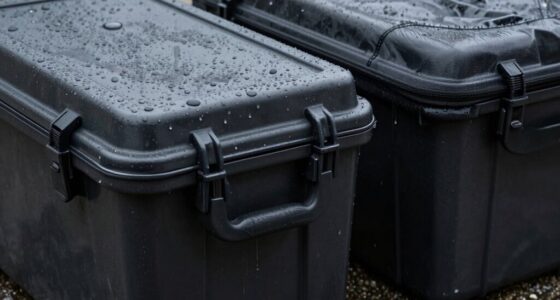
To prevent mice from invading your storage, seal all small gaps around pipes, vents, and doors with materials like steel wool or caulk. Use durable, airtight containers made of metal, glass, or tough plastic to store food, keeping them off the floor on sturdy shelves. Regularly inspect and maintain these containers, and keep your storage areas clean and clutter-free. If you take these steps, you’ll be better equipped to keep mice out—learn more to protect your space effectively.
Key Takeaways
- Seal all small cracks, gaps, and holes around walls, floors, pipes, and vents to prevent mouse entry.
- Use durable, airtight containers made of metal, glass, or heavy plastic to store food securely.
- Keep storage areas clean, organized, and elevated off the floor to reduce hiding spots and access points.
- Regularly inspect for signs of rodents and promptly repair or replace damaged containers or seals.
- Install weatherstripping on doors and windows and seal gaps around shelves and foundation openings.
![Gamma2 Vittles Vault Pet Food Storage Containers - Sealed Dog and Cat Food Storage Container, Fits up to 25lbs, Made in the USA - [12"L x 13.75"H]](https://m.media-amazon.com/images/I/41XKsqOw1kL._SL500_.jpg)
Gamma2 Vittles Vault Pet Food Storage Containers – Sealed Dog and Cat Food Storage Container, Fits up to 25lbs, Made in the USA – [12"L x 13.75"H]
PRESERVE FRESHNESS AND FLAVOR: This airtight pet food container helps your pet's dry food to stay tasty with…
As an affiliate, we earn on qualifying purchases.
As an affiliate, we earn on qualifying purchases.
How Do Mice Invade Your Home and Why Storage Matters
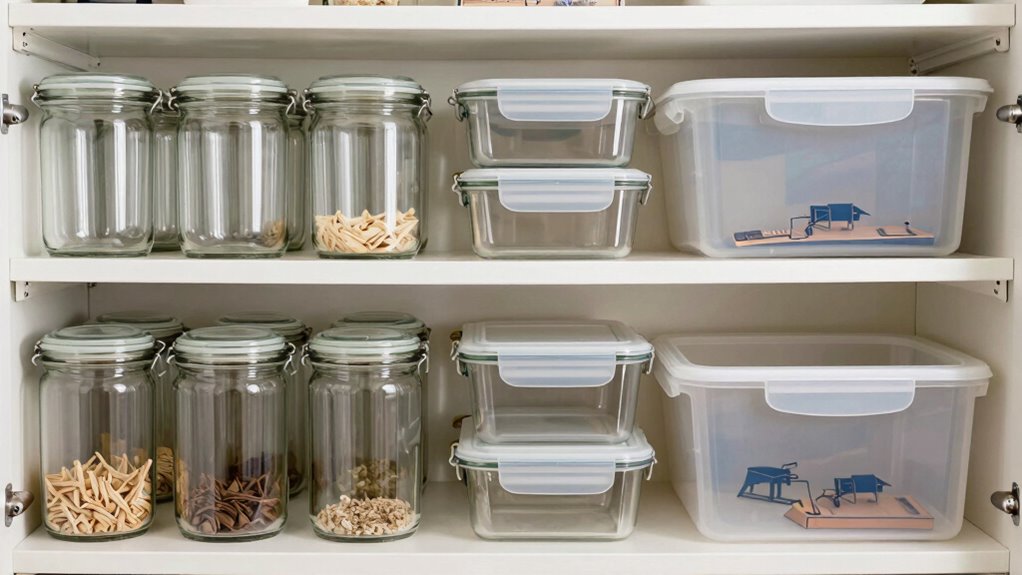
Mice often invade homes through small cracks, gaps, and holes that go unnoticed. Once inside, they seek out hiding spots where they feel safe and hidden from predators. These spots are usually in dark corners, behind appliances, or inside wall voids. Mice also look for nesting sites where they can raise their young comfortably. Cluttered storage areas, such as boxes and piles of papers, provide ideal hiding spots and nesting sites. If your pantry or storage spaces aren’t sealed properly, mice can easily access food and materials to build their nests. Understanding how mice invade your home highlights the importance of effective storage solutions. Properly sealing and organizing your storage areas makes it harder for mice to find safe hiding spots and nesting sites, keeping your home pest-free. High-quality storage options can help prevent clutter and create barriers against entry points, especially when combined with barrier methods that block potential mouse pathways. Additionally, maintaining cleanliness and organization reduces attractants and minimizes hiding spots for these pests, making your home less inviting to invaders and deterring infestations. Regularly inspecting your storage areas for entry points and repairing any damage can further prevent mice from gaining access.

Aloxina Dog-Cat Food Storage Container 40 lb/38 Qt, Large Stainless Steel Pet Food Bin with Airtight Lid & Scoop Included, Durable 304 Metal Storage for Dogs & Cats
【Keep Pet Food Fresh Longer】An airtight silicone-sealed lid locks out air and moisture to keep dry dog and…
As an affiliate, we earn on qualifying purchases.
As an affiliate, we earn on qualifying purchases.
Choosing the Best Rodent-Proof Containers for Your Pantry

When selecting rodent-proof containers, you need to take into account material durability and safety to prevent chewers from breaking through. Airtight seals are essential to keep pests out and preserve your food’s freshness. Make sure the size and shape fit your pantry space and accommodate your storage needs effectively. Additionally, choosing containers with secure locking mechanisms can provide an extra layer of protection against rodent intrusion. Considering material durability can also help ensure the containers withstand rodent gnawing habits over time. Selecting containers made from robust, chew-resistant materials is key to long-term rodent prevention. Furthermore, understanding rodent behavior can help you select the most effective storage solutions for your pantry.
Material Durability and Safety
Choosing the right rodent-proof containers for your pantry hinges on selecting durable materials that can withstand regular use and potential gnawing attempts. Look for pest resistant materials like hard plastic, metal, or glass, which rodents can’t easily chew through. Eco friendly packaging options are also available, offering sustainability alongside safety. Avoid flimsy or weak containers that rodents could bite into or break easily. Safety is essential, so choose containers free from harmful chemicals or BPA. Solid, heavy-duty materials ensure your stored food remains protected and reduce the risk of contamination. Investing in strong, pest resistant containers made from eco friendly packaging not only keeps rodents out but also supports environmentally conscious choices, giving you peace of mind and a safer pantry. Additionally, selecting high-quality materials enhances the longevity and effectiveness of your storage solutions. To further improve your pantry’s defenses, consider containers with airtight seals to prevent any scent from attracting rodents, and ensure they are designed with rodent-resistant features for added protection. Incorporating innovative design elements can also make it more difficult for rodents to access the contents inside.
Airtight Seal Effectiveness
Airtight seals play a vital role in keeping your pantry safe from rodents, as even the smallest openings can serve as entry points. A high-quality seal prevents pests from sneaking in and helps maintain moisture control, which is essential for preserving food freshness. When shopping for containers, look for options with secure, snap-on or screw-on lids that create a tight barrier. An effective seal also works with pest repellents—some containers are designed to be airtight enough to hold natural repellents or deterrent sachets, adding an extra layer of protection. Remember, even minor gaps compromise your efforts, so choose containers that guarantee a reliable, airtight closure to keep rodents out and your food dry and safe. Additionally, seal integrity and user consent management practices ensure that your browsing experience remains secure and private while you select the best storage solutions. Properly sealed containers are also easier to clean and maintain, contributing to overall food safety and pest prevention. Ensuring the airtight seal maintains its effectiveness over time is crucial for long-term rodent-proofing.
Size and Storage Compatibility
Selecting containers that fit your pantry space and food items is essential to guarantee effective rodent-proof storage. Proper size ensures you won’t leave gaps that pests can exploit, reducing the risk of pest infestation. When choosing containers, consider the volume of your food and how they will fit into your storage organization. Smaller containers are easier to seal tightly but may require more space, while larger ones save space but must be durable and secure. Make sure the containers are sturdy and compatible with your shelving. Proper sizing helps you maintain a clean, organized pantry and prevents mice from finding hidden spots to nest. Additionally, selecting the right material for your containers, such as heavy-duty plastic or metal, can further enhance their pest-resistant qualities. Ultimately, well-matched containers make pest prevention easier and keep your food safe and accessible.
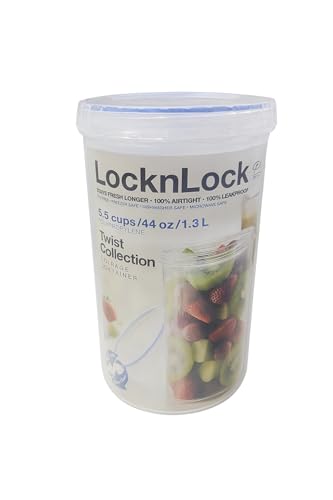
LOCK & LOCK Easy Essentials Twist Food Storage lids/Airtight containers, BPA Free, Tall-44 oz-for Pasta, Clear
SMART STORAGE: The Easy Essentials Twist 44-ounce storage container provides fresh, stackable storage with an easy-open, easy-close sealing…
As an affiliate, we earn on qualifying purchases.
As an affiliate, we earn on qualifying purchases.
How to Seal Food and Containers to Keep Mice Out

Sealing your food properly is key to keeping mice out of your pantry. Use airtight containers to prevent any scent from escaping and attracting pests. Make sure to store food in clean, dry, and sealed containers to maintain effective protection. Additionally, utilizing commercial kitchen equipment such as secure storage solutions can further enhance your pest prevention efforts. Incorporating mice-proof storage techniques can create an extra layer of defense against intruders, and choosing containers made from durable materials can help ensure long-lasting protection against pests. Employing proper sealing methods can also reduce the likelihood of odors attracting rodents over time. Using pest-resistant designs in your storage containers can provide an added safeguard against mice entry.
Airtight Container Use
To keep mice out of your food storage, you need to guarantee your containers are properly sealed. Mice have keen senses and understand rodent behavior, so they’ll easily detect even small food scents. Using airtight containers is one of the most effective pest control techniques because it prevents mice from detecting food sources. Look for containers with tight-fitting lids or seals that create a complete barrier. Glass, metal, or thick plastic options work best, as they’re difficult for mice to gnaw through. Regularly check the seals for damage or wear, and replace any compromised containers immediately. Ensuring your storage is airtight minimizes scent leaks and discourages mice from investigating, ultimately helping you maintain a rodent-proof environment. Incorporating consistent pest prevention practices can also help you stay motivated and diligent with your routine.
Proper Food Storage Techniques
Once you’ve chosen the right airtight containers, the next step is ensuring they are properly sealed to keep mice out. Proper food storage prevents pest attraction and reduces the risk of food contamination. Always double-check that lids are tightly secured, creating a barrier that mice cannot penetrate. Avoid leaving food exposed or in weak packaging, as this invites rodents and other pests. Store grains, snacks, and pet food in sealed, durable containers rather than flimsy bags or open bowls. Regularly inspect containers for damage or leaks, replacing them if necessary. Keeping food tightly sealed not only discourages mice but also maintains food freshness and safety. Effective storage is a simple yet essential step in rodent-proofing your home.

Airtight Food Storage Containers with Lids, Vtopmart 24 pcs Plastic Kitchen and Pantry Organization Canisters for Cereal, Dry Food, Flour and Sugar, BPA Free, Includes 24 Labels,Black
Help Organize Your Kitchen and Pantry— Imagine every time walking to your kitchen or pantry, found everything is…
As an affiliate, we earn on qualifying purchases.
As an affiliate, we earn on qualifying purchases.
Materials and Methods to Seal Entry Points Against Mice
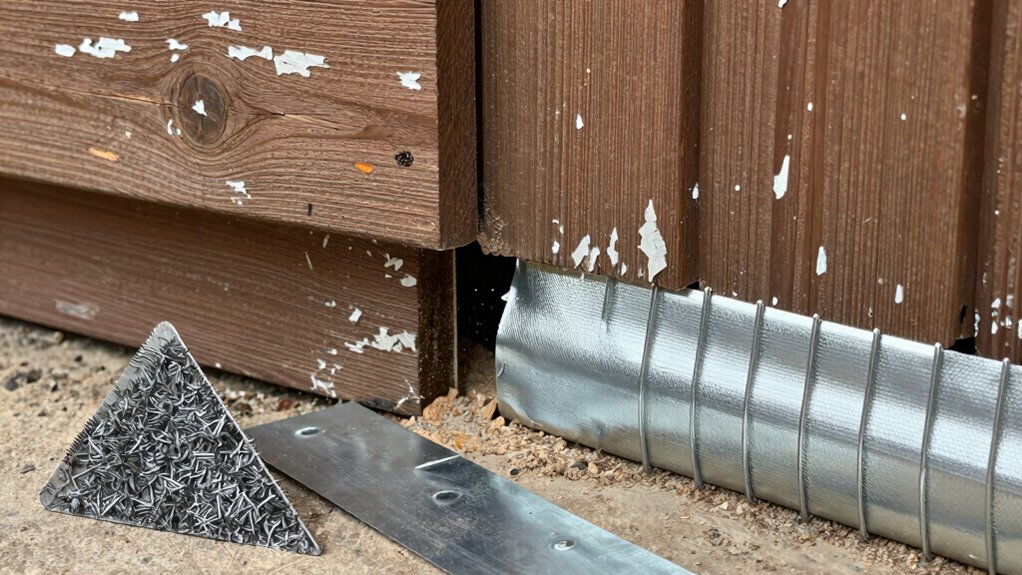
Effectively preventing mice from entering your storage areas requires carefully sealing all potential entry points. Start with entry point identification by inspecting walls, floors, and ceilings for gaps or holes. Then, focus on sealing material selection to ensure durability. Here are four essential steps:
- Use steel wool or wire mesh for small holes; mice can’t chew through these.
- Apply caulk or foam sealant for cracks around pipes and vents.
- Install metal flashing over larger gaps or holes.
- Seal door and window frames with weatherstripping or door sweeps.
Rodent-Proof Storage Tips to Keep Food Safe

Sealing entry points is just the first step in protecting your stored food from rodents. To enhance your DIY pest control efforts, focus on understanding rodent behavior. Keep food in airtight containers made of metal or thick plastic, as mice can chew through paper or cardboard packaging. Store items off the floor on sturdy shelves to minimize access and make inspections easier. Clean spills and crumbs immediately to remove tempting food sources. Regularly check your storage area for signs of rodents, such as droppings or gnaw marks. By understanding how rodents behave and implementing these storage tips, you create a less inviting environment, discouraging mice from exploring or settling in. Consistent vigilance and proper storage are key to keeping your food safe.
Maintaining Your Storage System to Prevent Mice Over Time
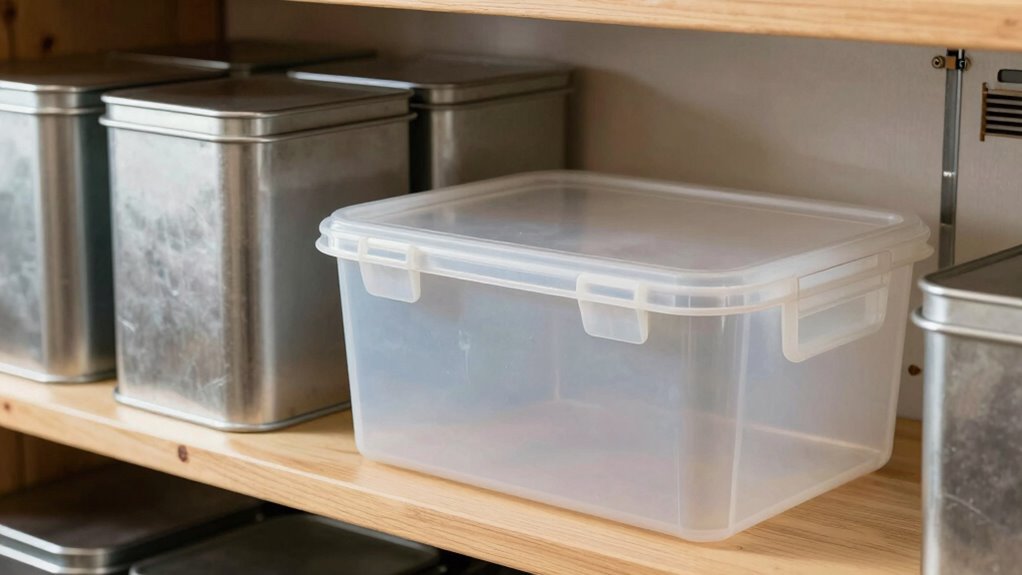
To keep your storage system effective over time, regular maintenance is essential. Proper container organization and pest prevention techniques help make certain mice stay out.
- Check containers for cracks or holes and reseal or replace as needed.
- Organize items so you can easily spot signs of pests or damage.
- Clean storage areas regularly to remove food residues and debris that attract mice.
- Use pest prevention techniques like sealing gaps around shelves and vents.
Common Mistakes That Make Your Home Easy for Mice to Invade
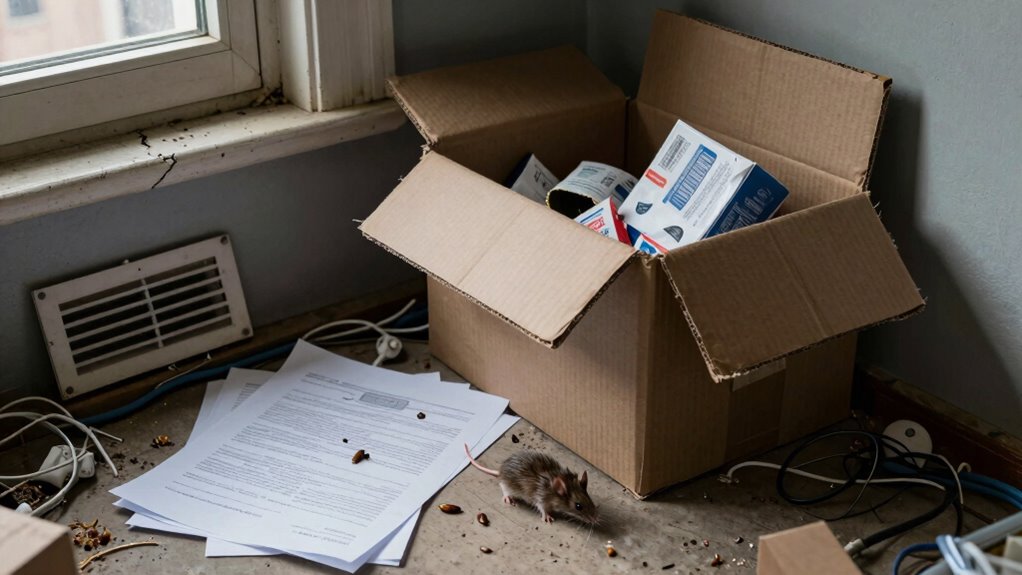
Many homeowners unknowingly create easy entry points for mice by neglecting small gaps and openings around their property. These overlooked spots align with rodent behavior, allowing mice to slip inside unnoticed. Common mistakes include ignoring tiny cracks in walls, gaps around pipes, or unsealed vents. For example, consider this table:
| Mistake | Potential Entry Point |
|---|---|
| Forgetting to seal gaps | Door thresholds, window frames |
| DIY pest control shortcuts | Unsealed holes in foundation |
| Ignoring rodent behavior | Openings near trash or food storage |
Frequently Asked Questions
What Are the Signs That Mice Have Already Entered Your Storage Area?
You’ll notice signs that mice have entered your storage area through droppings and chewed packaging. Look for small, dark droppings along shelves, corners, or behind stored items. Chewed packaging, especially near food or paper products, indicates their activity. You might also see gnaw marks on boxes or containers. If you spot these signs, it’s time to act quickly to prevent a full infestation.
How Often Should You Inspect Your Storage for Rodent Activity?
Think of your storage as a fortress; regular inspections keep it secure. You should check your storage area at least once a month, focusing on storage container maintenance and pest proofing techniques. Look for new droppings, gnawed packaging, or holes. Consistent inspections allow you to catch signs of mice early, preventing an infestation. Staying vigilant makes it easier to maintain a rodent-free environment and protect your belongings effectively.
Can Natural Repellents Effectively Prevent Mice From Entering Storage Spaces?
Natural repellents alone often aren’t enough to keep mice out. You should also use DIY traps and pest-proof containers to protect your storage space effectively. While natural repellents might deter some mice temporarily, combining them with traps and sealing entry points provides a stronger defense. Regularly inspect and maintain your storage, ensuring there are no gaps or holes, to prevent mice from sneaking in.
Are There Specific Storage Locations More Vulnerable to Mice Intrusion?
You might wonder if certain storage spots are more vulnerable. Attic vents often attract mice because they offer easy access points, especially if not sealed properly. Pantry shelves can also be risky if food is left exposed, encouraging mice to explore. To protect your home, inspect these areas regularly, seal any gaps around vents, and store food in airtight containers, reducing the chances of mice sneaking in.
How Do Seasonal Changes Affect Mouse Invasion and Storage Strategies?
Seasonal migration and temperature fluctuations markedly impact mouse invasion and your storage strategies. In colder months, mice seek warmth, increasing the risk of intrusion. During warmer seasons, they may migrate to shelter and food sources. To adapt, you should reinforce storage areas before seasonal changes, sealing any gaps and using rodent-proof containers. Regular inspections and maintaining a clean environment help prevent mice from exploiting seasonal vulnerabilities.
Conclusion
By sealing entry points and choosing the right containers, you can make your home less inviting to mice. It’s funny how a simple switch in storage habits can coincide with fewer pest problems—sometimes, all it takes is being a little more mindful. Keep your pantry tidy, check for gaps regularly, and stick to your storage routine. Before you know it, those mice will find your home just a little less appealing, and you’ll enjoy a safer, pest-free space.