
When choosing between polycarbonate, aluminum, and ABS luggage, consider your travel needs. Polycarbonate offers lightweight durability and impact resistance, making it great for frequent travelers. Aluminum provides a sleek, premium look and exceptional strength but is heavier and pricier. ABS is budget-friendly and easy to maintain, but less durable over time. Understanding these differences helps you pick the best fit—keep exploring to find more tips on making the right choice.
Key Takeaways
- Polycarbonate luggage is lightweight, impact-resistant, and offers modern, minimalist designs ideal for frequent travelers.
- Aluminum luggage provides a premium, sleek appearance with exceptional durability and resistance to dents and corrosion.
- ABS plastic is budget-friendly, lightweight, but less impact-resistant, suitable for casual or infrequent travel.
- Aluminum is more eco-friendly long-term due to recyclability, despite higher energy costs in production.
- Polycarbonate balances style and durability, making it a popular choice for trendy, impact-resistant luggage.

Samsonite Freeform Hardside Carry-On Luggage with Spinner Wheels – Hardshell Suitcase – TSA, Airline-Approved – Expandable Hard Shell, Smooth Rolling Wheels for Lightweight Travel – Navy
21" SPINNER LUGGAGE maximizes your packing power and meets most carry-on size restrictions for those traveling domestically and…
As an affiliate, we earn on qualifying purchases.
As an affiliate, we earn on qualifying purchases.
What Are the Main Materials Used in Luggage?

When choosing luggage, understanding the main materials used can help you pick the right one for your needs. Popular options include polycarbonate, aluminum, and ABS plastic, each offering different benefits. Fashion trends influence the look and finish of luggage, with sleek, modern designs dominating the market. If eco-friendly options matter to you, there are now sustainable materials like recycled plastics and biodegradable fabrics that reduce environmental impact. These eco-friendly choices not only support sustainability but also keep you stylish on the go. Knowing the materials helps you balance style, durability, and environmental consciousness. For those interested in innovative digital concepts, some brands incorporate smart features into their luggage designs. Whether you prioritize lightweight convenience or trendy designs, understanding the main luggage materials guarantees you make an informed, fashionable, and eco-friendly choice. Additionally, being aware of the environmental impact of different materials can guide you toward more sustainable luggage options that align with your values.
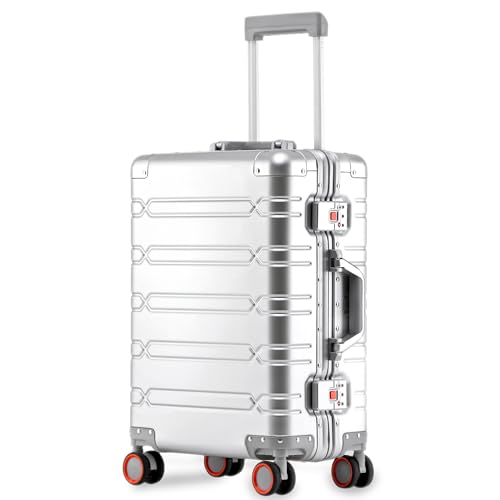
VentureVault All Aluminum 24 Inch Check In Luggage Hard Shell Suitcases with Spinner Wheels and TSA Lock, Checked Medium Suitcase (Silvery)
OVERALL DIMENSION: The size of 24 inch Checked Medium Suitcase: 16.94×9.64×26.97 IN (Including spinner wheels and handle). Weight:…
As an affiliate, we earn on qualifying purchases.
As an affiliate, we earn on qualifying purchases.
How Durable and Lightweight Is Polycarbonate Luggage?

Have you wondered how polycarbonate luggage manages to be both tough and lightweight? It’s because polycarbonate offers a perfect balance between durability and ease of handling. Its lightweight nature means you can pack more without exceeding weight limits, making it ideal for frequent travelers. Polycarbonate is also highly impact-resistant, so it withstands rough handling during travel. As fashion trends evolve, sleek and modern designs made from polycarbonate stay in style without adding bulk. Plus, while polycarbonate is durable, its environmental impact is worth considering, as it’s a type of plastic that can be recycled but may still contribute to waste if not properly disposed of. Awareness of toilet maintenance and repairs can help extend the lifespan of luggage, especially for travelers who frequently rely on their luggage’s durability. Additionally, understanding environmentally friendly materials can inspire eco-friendly and culturally respectful choices in materials and practices, emphasizing sustainability in product development. It’s also helpful to consider recycling options, which can reduce the environmental footprint of polycarbonate products. Overall, polycarbonate luggage offers a smart mix of durability, style, and lightweight convenience.

Cndiyald Mini Doll Luggage Set for 16 & 18 Inch Dolls, 2Pcs ABS Plastic Suitcase with Handle, Travel Case for Doll
【Dual Function Design】Not just being charming doll accessories, these sturdy cases also function as practical mini storage boxes…
As an affiliate, we earn on qualifying purchases.
As an affiliate, we earn on qualifying purchases.
Pros and Cons of Aluminum Luggage

Aluminum luggage offers impressive durability and strength, making it resistant to dents and impacts, but it can be heavier and less portable. Its sleek, modern look appeals to many travelers, adding a touch of style to their journey. However, you should consider whether the weight and potential for scratches fit your travel needs. Additionally, the material’s weight may influence your overall packing and handling experience. When planning for long-term use or frequent travel, aluminum luggage can also be a sound investment due to its resistance to damage. Proper maintenance, such as regular cleaning and careful handling, can help preserve its appearance and extend its lifespan, much like maintaining a small wood stove for optimal performance. Being mindful of travel gear durability can ensure you get the most out of your investment over time. Recognizing the importance of material properties can help you select luggage that best fits your travel style and needs.
Durability and Strength
Aluminum luggage is renowned for its exceptional durability and strength, making it a popular choice for travelers who need reliable protection for their belongings. Its sturdy frame withstands rough handling, ensuring your items stay safe. However, it’s important to evaluate how fashion trends influence its appeal, as sleek, metallic designs often dominate current styles. Aluminum also has a notable environmental impact, since its production consumes significant energy. Here are some key points to consider:
- High durability resists dents and impacts, ideal for rough travel conditions.
- Strength provides excellent structural integrity, safeguarding fragile items.
- Fashion trends favor its modern, premium look, but may limit style versatility.
- Environmental impact is higher due to energy-intensive manufacturing processes.
- Additionally, folding parts in aluminum luggage can enhance portability, making it more convenient for various travel situations. Moreover, advancements in manufacturing techniques are improving the overall quality and sustainability of aluminum travel gear. For instance, innovations in material processing are helping reduce the environmental footprint of aluminum production, which is especially relevant given its energy consumption. Additionally, ongoing research into recycling methods aims to make aluminum luggage more eco-friendly by promoting reuse and reducing waste.
Weight and Portability
Wondering if aluminum luggage is easy to carry? It tends to be lightweight compared to other materials, making it convenient for travel. Aluminum suitcases are often praised for their durability without adding excessive weight, so you can pack more without feeling burdened. Plus, aluminum offers excellent options for color customization, allowing you to choose a style that reflects your personality while remaining lightweight. However, despite its portability, aluminum can be slightly heavier than polycarbonate options of similar size, especially if you opt for reinforced models. Lightweight design also contributes to its popularity among travelers. Additionally, the durability of aluminum luggage means it can withstand rough handling during transit, ensuring your belongings stay protected. The material selection directly influences the luggage’s overall performance and lifespan. It’s important to consider the impact of materials on weight and longevity when choosing your suitcase. Overall, aluminum luggage strikes a good balance between strength and portability, making it a practical choice for frequent travelers seeking a durable yet manageable suitcase.
Aesthetic Appeal
The sleek, modern look of aluminum luggage makes it stand out among other materials, appealing to travelers who prioritize style. Its design versatility allows for clean, sophisticated lines that suit both professional and casual settings. Aluminum also offers a limited but striking range of color options, often giving your luggage a polished, premium appearance. Additionally, its aesthetic appeal can be enhanced by various surface treatments, making it adaptable to current fashion trends. Consider these points:
- Design versatility – creates a contemporary, minimalist aesthetic.
- Color options – typically available in metallic shades like silver, black, or custom finishes.
- Sleek finish – enhances visual appeal with a shiny, high-end look.
- Durability – maintains its stylish appearance over time with minimal scratches. This material property not only supports its durability but also contributes to its lightweight nature, making it easier to handle during travel.
Being lightweight yet sturdy, aluminum luggage also benefits from material properties that support both longevity and style. Its resistance to corrosion and tarnishing further enhances its durability, making it a practical choice for frequent travelers. This combination makes aluminum luggage a fashionable, long-lasting choice for style-conscious travelers.

Samsonite Omni PC Hardside Expandable Luggage with Spinner Wheels, Caribbean Blue, Checked-Medium 24-Inch
24" SPINNER LUGGAGE maximizes your packing power and is the ideal checked bag for longer trips.Number of wheels:4
As an affiliate, we earn on qualifying purchases.
As an affiliate, we earn on qualifying purchases.
Is ABS Luggage a Budget-Friendly Choice?

ABS luggage is a popular choice if you’re looking for a cost-effective material that won’t break the bank. It offers decent durability and can handle regular travel without easily cracking or breaking. However, consider whether its longevity matches your travel needs before making a final decision.
Cost-Effective Material Option
If you’re looking for a budget-friendly luggage option, ABS material often comes to mind. It offers an attractive balance of affordability and functionality. Here are four reasons why ABS is a cost-effective choice:
- Lower Price Point: ABS luggage typically costs less than polycarbonate or aluminum options.
- Easy Maintenance: It’s lightweight and simple to clean, saving you time and money.
- Material Sustainability: ABS is recyclable, making it a more eco-friendly choice compared to some plastics.
- Cost Comparison: When considering initial investment and replacement costs, ABS often proves to be more economical.
While it may not be the most durable, ABS’s affordability makes it appealing for travelers on a budget without sacrificing basic functionality.
Durability and Longevity
Although ABS luggage offers an affordable option for travelers, its durability and longevity often raise concerns. ABS is lightweight but tends to be less resistant to impacts and scratches compared to other materials, which can compromise travel security over time. You might find that it dents or cracks more easily, especially after frequent use or rough handling. When considering environmental impact, ABS’s shorter lifespan means you’ll replace it more often, potentially increasing waste. While budget-friendly upfront, the need for replacements can negate initial savings and contribute to environmental concerns. If you prioritize durability and long-term use, materials like polycarbonate or aluminum might be better choices, offering more resilience and reducing the frequency of replacements.
How to Choose the Right Luggage Material for Your Travel Needs
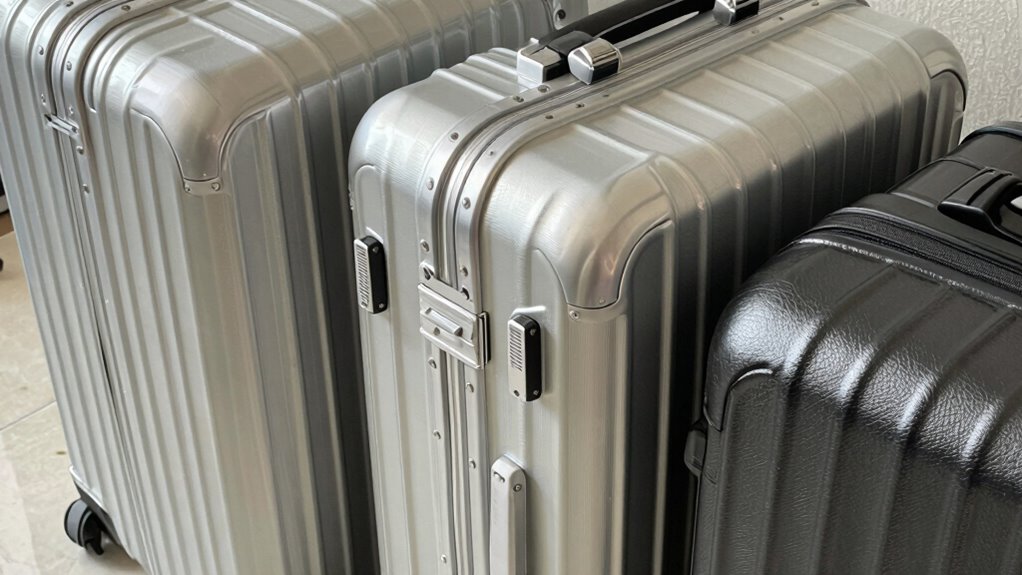
Choosing the right luggage material depends on your travel habits and priorities. To make the best choice, consider these factors:
- Travel packing style: If you pack light, a lightweight material like ABS could be enough. For frequent travelers with bulky gear, polycarbonate offers flexibility.
- Luggage security: Hard shells like aluminum provide better protection against theft and damage, keeping your belongings safe.
- Durability needs: If your trips involve rough handling, aluminum or polycarbonate withstand impacts better than softer materials.
- Weight considerations: Lighter materials reduce strain during travel, especially if you’re navigating airports often.
Which Luggage Material Offers the Best Value for Money?
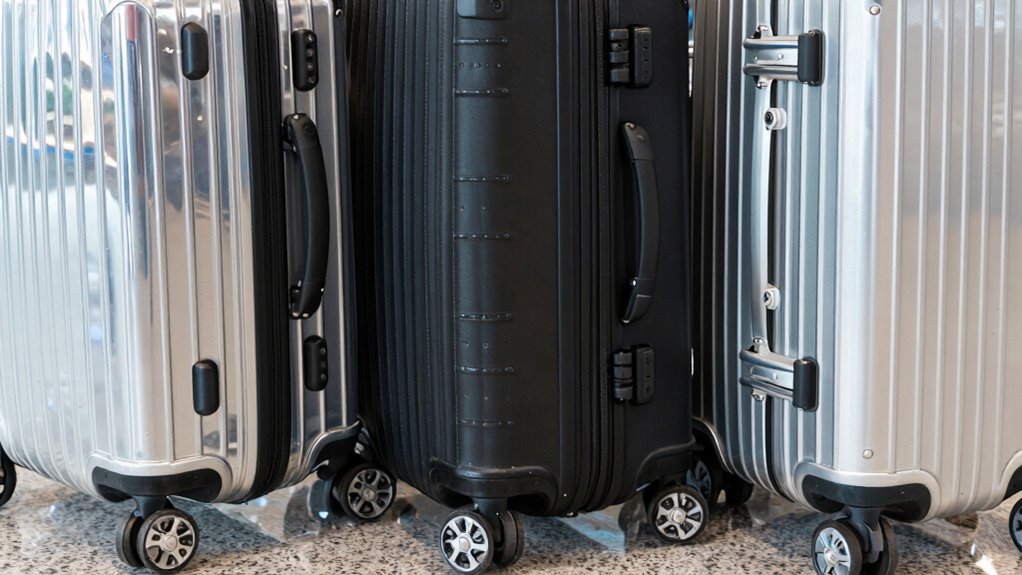
When it comes to getting the most value for your money, selecting the right luggage material hinges on balancing cost, durability, and functionality. Polycarbonate often offers the best value, providing a lightweight yet sturdy option at a lower price point, making it a popular choice among budget-conscious travelers. Aluminum luggage, while more expensive initially, boasts a strong brand reputation for durability and security, but it has a higher environmental impact due to its manufacturing process. ABS is the most affordable but tends to be less durable, meaning you might need to replace it sooner. Ultimately, your choice depends on how much you prioritize longevity, brand reputation, and environmental considerations versus upfront cost. Each material has its trade-offs, so decide what aligns best with your travel style and values.
Maintenance Tips for Polycarbonate, Aluminum, and ABS Luggage

Proper maintenance extends the lifespan of your luggage and keeps it looking new. To guarantee your polycarbonate, aluminum, or ABS luggage stays in top condition, follow these tips:
- Clean regularly with a damp cloth to remove dirt and prevent scratches, which can compromise travel security.
- Use protective coatings or polish for aluminum to prevent corrosion and maintain a sleek appearance.
- Avoid overpacking to reduce stress on the material, helping with luggage organization and longevity.
- Store your luggage in a cool, dry place when not in use to prevent warping or damage, especially for polycarbonate and ABS cases.
Consistent care keeps your luggage durable, secure, and easy to organize, making every trip smoother.
Which Luggage Material Is Best for Your Travel Style?
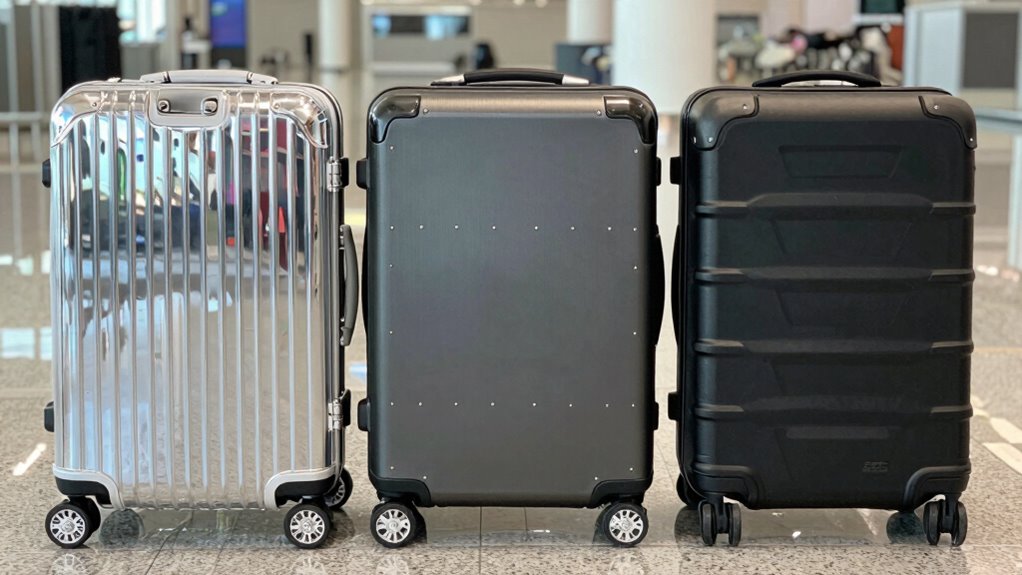
Your travel style plays a significant role in determining the best luggage material for you. If you prefer efficient travel packing strategies and need lightweight options, polycarbonate is ideal due to its durability and flexibility. For frequent travelers prioritizing luggage security features, aluminum offers robust protection and a premium feel, making it suitable for high-value items. If you’re a casual traveler or someone who values affordability and easy handling, ABS luggage provides a lightweight, budget-friendly choice. Consider how often you travel, your packing habits, and the level of security you require. Your choice of material should align with your travel routine, whether that means prioritizing durability, weight, or cost-effectiveness to guarantee your luggage complements your travel style perfectly.
Frequently Asked Questions
How Do Temperature Changes Affect Different Luggage Materials?
Temperature changes can impact your luggage’s material durability and temperature resilience. Polycarbonate tends to handle temperature fluctuations well without cracking, making it a good choice for varying climates. Aluminum is highly durable but can dent or warp with extreme heat or cold. ABS offers decent resilience but may become brittle in very low temperatures. Knowing how each material responds helps you select luggage that withstands your travel environment effectively.
Are There Eco-Friendly Options Among Polycarbonate, Aluminum, and ABS?
In an age where sustainability is king, you’ll find eco-friendly alternatives among luggage options. Recyclability considerations make aluminum a top choice because it’s highly recyclable and durable, reducing waste. While polycarbonate and ABS are plastics, some brands now produce recycled or biodegradable versions, making them more eco-conscious. Choosing these options helps lower your environmental impact, ensuring your travels are greener without sacrificing durability or style.
Which Material Offers the Best Security Features?
You’ll find that aluminum offers the best security features, thanks to its sturdy, hard-shell design and resistant locks. In a security features comparison, aluminum luggage often includes integrated TSA-approved locks and reinforced corners. Material durability analysis shows aluminum’s resilience against impacts and tampering, making it harder to break into. Polycarbonate provides some security with its flexibility, while ABS is less durable, offering lower protection against theft or damage.
How Do Luggage Materials Impact Airline Weight Restrictions?
Imagine your luggage as a muscular protector, ready to face airline weight restrictions. Polycarbonate and ABS are lightweight, easing your journey’s burden, while aluminum, like a sturdy shield, adds weight. Durability comparisons show polycarbonate and aluminum can endure rough handling, but aluminum’s weight may push your bag closer to limits. Cost considerations favor polycarbonate and ABS, helping you balance durability with lighter weight, ensuring smooth skies and fewer fees.
Can Luggage Materials Be Repaired if Damaged?
If your luggage gets damaged, repairability options depend on the material. Polycarbonate and ABS suitcases often have limited repair options, but minor cracks can sometimes be fixed with specialized kits or professional repair services. Aluminum luggage tends to be more durable and easier to repair due to its metal nature. However, durability concerns might influence whether repairing is worthwhile or if replacing the damaged luggage is a better choice.
Conclusion
Choosing the right luggage material is like picking the perfect musical instrument—you want one that resonates with your travel rhythm. Whether you prefer the resilience of polycarbonate, the sleek strength of aluminum, or the budget-friendly charm of ABS, your choice should match your journey’s tempo. Think about durability, weight, and style to find your ideal match. With the right luggage, you’ll be ready to hit all the right notes on your adventures.