TL;DR

Get home appliances delivered free — and shop member deals
- Fast, free delivery on millions of items
- Access to Prime Big Deal Days deals on October 6–7
- Prime Video, Amazon Music and more included
A Family Handyman report outlines household uses for citric acid, including descaling kettles and coffee makers and removing hard-water deposits. Cleaning experts advise testing it first, following appliance instructions and avoiding vulnerable surfaces such as marble and finished wood.
Family Handyman has published a guide to using citric acid for household cleaning, drawing on advice from professional cleaners about descaling appliances and removing mineral deposits. The report also warns that the acidic powder can damage some finishes, making surface checks and manufacturer instructions part of its recommended approach.
The guide describes citric acid as an acid naturally found in citrus fruits that is also manufactured for use in food and cleaning products. It is commonly sold in powder or crystalline form. The report says its main household use is removing mineral deposits left by hard water, while emphasizing that it should be tested in an inconspicuous spot before broader use.
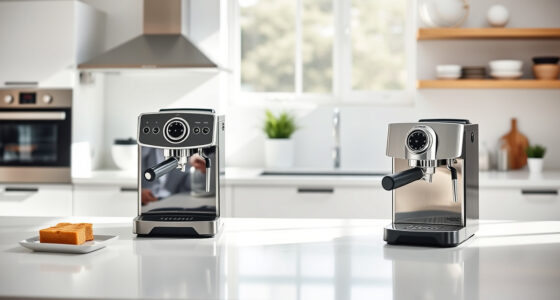
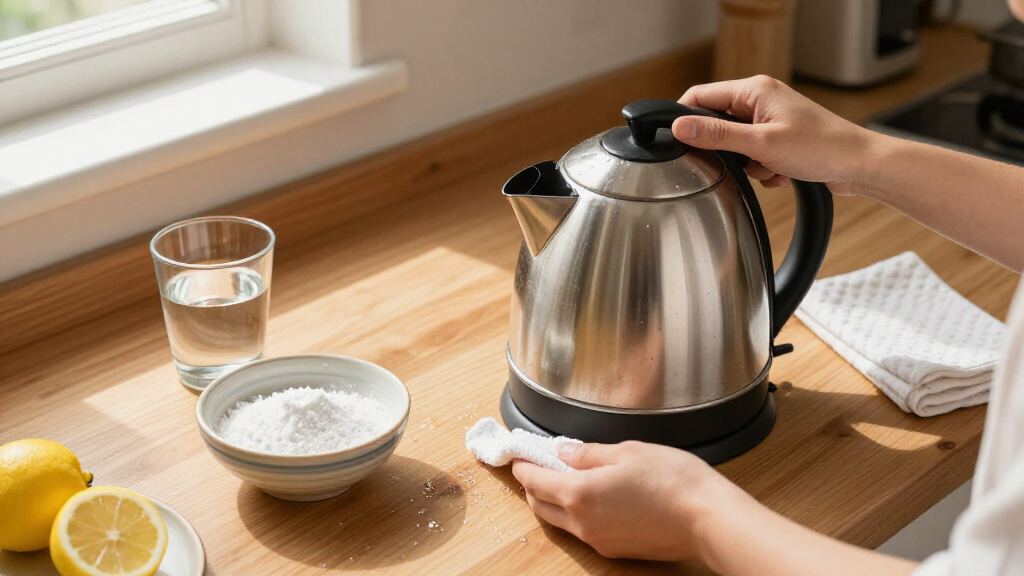
For a coffee maker, Seattle Green Cleaning Fairy cleaner Enrique Gonzalez recommends adding one to two tablespoons to a full water tank, running one brewing cycle, then running two cycles with plain water. For an electric kettle, the guide recommends dissolving the same amount in water, bringing it to a boil and letting it simmer for 15 to 20 minutes. Empty and rinse the kettle, then boil and discard clean water before using it again.
Other suggestions include wiping faucets with a solution of one to two teaspoons of citric acid in a cup of warm water, soaking a shower head in a solution of one tablespoon in two cups of warm water, and cleaning an empty dishwasher with a couple of tablespoons in a bowl on its upper rack during a hot cycle. The guide also describes treatments for shower glass, stainless-steel sinks, rust stains and toilet bowls. Methods and wait times vary by surface, and the report advises rinsing and drying where relevant.
Cleaning Gains Come With Surface Risks
These recommendations offer readers a way to target limescale and hard-water residue with a commonly available ingredient rather than a product formulated specifically for each task. That may be useful in homes where mineral deposits build up in kettles, fixtures or dishwashers. The source does not provide comparative testing, cost figures or evidence that citric acid works better than other cleaners.
The cautions matter because an acidic cleaner can affect surfaces differently. Family Handyman warns against using it on marble and granite, where it can etch or discolor the stone, and on finished wood, where it may strip wax or polish. The guide also says to consult product instructions for metal-finish fixtures. Using the wrong solution or leaving it on too long could damage an item rather than clean it.
citric acid descaling powder for appliances
As an affiliate, we earn on qualifying purchases.
As an affiliate, we earn on qualifying purchases.
Expert Tips for Mineral Deposits
The article attributes its recommendations to cleaning professionals Sofia Martinez of Sparkly Maid Austin, Gonzalez and Terry Klymkiv of Alpha Cleaning Company. Their advice focuses on mineral scale that forms as water is heated or dries on surfaces. Examples include deposits in appliances and spots on faucets and shower glass.
The report presents citric acid as a household cleaning option, not as a universal cleaner. It recommends following manufacturer instructions, using nonabrasive cloths or sponges where specified, and rinsing treated areas. For stainless steel, Martinez advises wiping in the direction of the grain and drying promptly to reduce new water spots.
“Citric acid can descale an electric kettle, remove spots from glass and even shine up stainless-steel sinks.”
— Sofia Martinez, cleaning expert and owner of Sparkly Maid Austin, as quoted by Family Handyman
citric acid cleaning solution for hard water stains
As an affiliate, we earn on qualifying purchases.
As an affiliate, we earn on qualifying purchases.
Material Compatibility Still Varies
The supplied report does not give laboratory test results, a complete list of compatible materials or a standard concentration for every product and surface. It cautions that citric acid is corrosive and advises a small-area test, but how a particular finish responds may depend on its condition and manufacturer guidance. The excerpt also begins a warning about electronics screens but ends before completing it, so its full advice on those surfaces is not available here.
The guide does not quantify how much cleaning time or money its methods might save, and it does not establish that citric acid is safe for every metal finish or appliance. Its recommendations should be treated as task-specific guidance rather than blanket permission to use the solution throughout a home.
natural limescale remover for kettles and coffee makers
As an affiliate, we earn on qualifying purchases.
As an affiliate, we earn on qualifying purchases.
Check Labels Before Each Use
Before trying a method, readers should check the appliance or surface manufacturer’s care instructions, confirm the material, and test the solution in a hidden area. Follow the stated concentration and contact time, avoid letting spray solutions dry on surfaces, and rinse and dry as directed. Do not use citric acid on natural stone or finished wood based on the report’s warnings.
Family Handyman’s recommendations do not replace product-specific instructions. The supplied material gives no announced follow-up testing or new guidance, so readers should rely on current manufacturer directions for their own fixtures and appliances.
As an affiliate, we earn on qualifying purchases.
Key Questions
What is citric acid used for around the home?
The Family Handyman guide describes uses including removing mineral scale from kettles and coffee makers, cleaning hard-water spots from fixtures and glass, and treating some rust stains. It says to test first and follow surface and appliance instructions.
Can citric acid be used on marble or granite?
The report advises against using it on natural stone such as marble or granite, because the acid can etch or discolor the surface.
How do you descale a coffee maker with citric acid?
According to cleaner Enrique Gonzalez, add one to two tablespoons to a full tank of water and run one brewing cycle, followed by two cycles with plain water. Check the coffee maker’s own instructions before using this method.
Should treated surfaces be rinsed afterward?
Several methods in the guide call for rinsing, and some also advise drying promptly. Follow the directions for the specific surface or appliance and avoid leaving the solution on longer than recommended.
Source: rss
Fall yard work Picks
leaf blowers
As an affiliate, we earn on qualifying purchases.