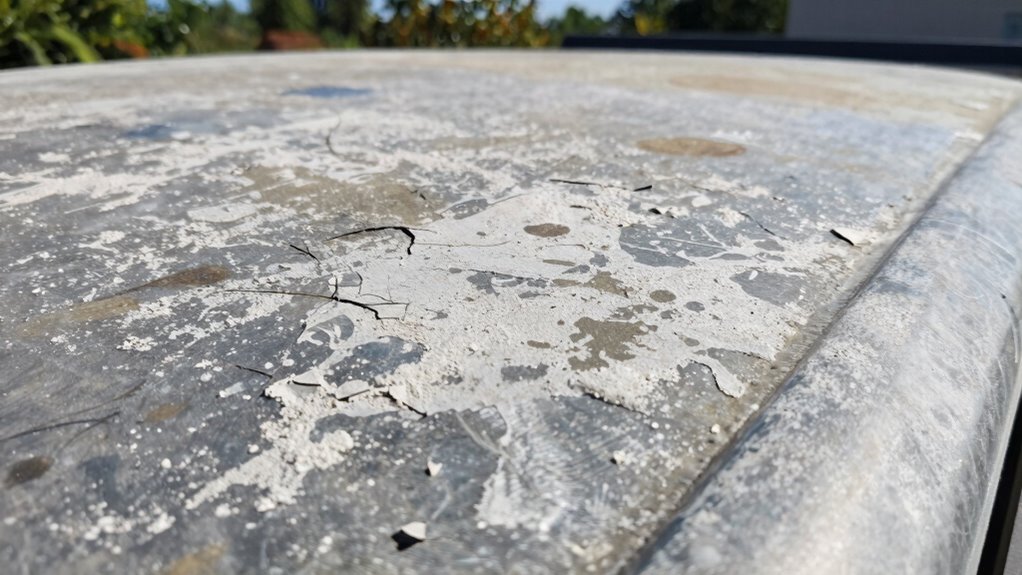

To reduce chalky, sun-faded plastic surfaces, start by cleaning with gentle water and soap or vinegar solutions to remove dirt and residues. Then, apply a plastic restorer or UV protectant to rejuvenate and shield the surface from future sun damage. Light sanding before restoration helps improve adhesion, and using matching color spray paint can refresh the look. Regular maintenance and protection will extend the lifespan of your outdoor plastics, and you’ll discover more ways to keep them looking their best.
Key Takeaways
- Clean plastic surfaces regularly with gentle soap and water to remove dirt and prevent chalkiness buildup.
- Apply a UV protectant or plastic restorer to shield surfaces from sun damage and restore color.
- Lightly sand damaged areas before applying repair products for better adhesion and a seamless finish.
- Use weather-resistant, UV-inhibiting coatings to prolong plastic’s appearance and prevent fading.
- Store plastics in shaded, cool areas when not in use to reduce sun exposure and slow chalking.
As an affiliate, we earn on qualifying purchases.
Why Does Plastic Turn Chalky and Sun-Faded?

Have you ever wondered why plastic outdoors often looks dull, chalky, or faded over time? The main reason is plastic degradation caused by UV effects. When plastic is exposed to sunlight, the ultraviolet rays break down its chemical bonds. This process weakens the material, making it lose its original color and shine. UV radiation causes the surface to become chalky and faded, revealing a duller, less vibrant appearance. Over time, continuous sun exposure accelerates this degradation, leading to a rougher texture and loss of clarity. You might notice that outdoor plastic items like furniture or piping become less appealing because of these UV effects. Understanding how sunlight impacts plastic helps you take better care of your outdoor items and choose materials with UV resistant properties. UV radiation is a key factor in the breakdown of plastic, highlighting the importance of selecting durable materials for outdoor use. Additionally, incorporating UV stabilizers during manufacturing can significantly enhance plastic’s resistance to sun damage. Using protective covers or applying UV-resistant coatings can also help extend the lifespan of outdoor plastic items by minimizing sun damage and maintaining their appearance. Furthermore, selecting plastics with inherent UV-resistant properties can provide long-term protection against fading and chalkiness. Recognizing the importance of these factors can also guide you in proper maintenance to preserve the look and durability of outdoor plastics.
As an affiliate, we earn on qualifying purchases.
How to Clean and Remove Residue From Outdoor Plastic

After noticing the dull, chalky appearance of your outdoor plastic, cleaning it thoroughly can restore some of its original brightness. Start by rinsing the surface with water to remove loose dirt and debris. Mix a gentle cleaning solution with mild dish soap and water, then scrub the plastic with a soft brush or sponge. For stubborn residue, a mixture of vinegar and water can help break down buildup without harming the plastic. Avoid harsh chemicals that could damage the surface or increase environmental impact. Proper cleaning not only improves appearance but also supports plastic recycling efforts, reducing waste. Regular maintenance prevents residue buildup and extends the lifespan of your outdoor plastic, making it more sustainable and eco-friendly over time. Being mindful of microplastics in dust can also help you manage indoor air quality and environmental health, as understanding auditory processing can improve how we detect and reduce tiny particles in our surroundings. Additionally, choosing water-based cleaning solutions can further minimize environmental harm while effectively maintaining your plastic surfaces. Implementing eco-friendly cleaning practices can contribute to a healthier planet and promote sustainable plastic waste management.
UV resistant plastic spray paint
As an affiliate, we earn on qualifying purchases.
As an affiliate, we earn on qualifying purchases.
Best Techniques to Restore Your Plastic’s Vibrant Look
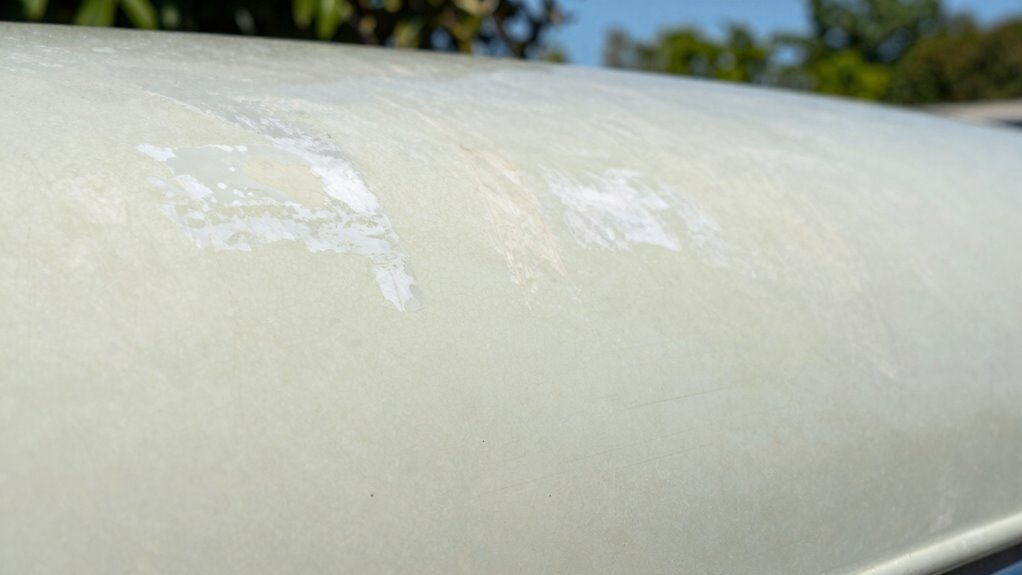
To bring your faded plastic back to life, using specialized restoration techniques can make a noticeable difference. Start by cleaning the surface thoroughly to remove dirt and residues that may worsen plastic discoloration. Next, apply a plastic restorer or a UV protectant designed specifically for outdoor plastics. These products penetrate the surface, helping to restore color and shield against future sun damage. Regularly using UV protection can prevent further fading caused by sunlight exposure. For deeper discoloration, consider lightly sanding the surface before applying a restorer, which helps improve adhesion and results. Remember, protecting your plastic with UV-resistant products is key to maintaining its vibrant look longer. Additionally, choosing appropriate storage solutions can prevent unnecessary exposure and prolong the lifespan of your plastic items. Proper plastic maintenance techniques are essential for keeping outdoor surfaces looking their best. Consistent care using these techniques will keep your plastic looking fresh and colorful for years. Implementing UV protection is especially important for outdoor plastics to combat fading from sun exposure effectively. Incorporating UV-resistant coatings can further enhance the durability of your plastic surfaces against harsh weather conditions. Regular application of these protective measures can also help prevent discoloration caused by environmental factors.
As an affiliate, we earn on qualifying purchases.
Choosing the Right Products for Plastic Restoration

Choosing the right products for plastic restoration can considerably impact the effectiveness of your efforts. To combat plastic discoloration and guarantee safe cleaning, select products tailored for outdoor plastics. Look for gentle, non-abrasive cleaners designed specifically for plastic surfaces. Avoid harsh chemical treatments that can cause further damage or discoloration. Instead, consider products with UV protectants to help prevent future sun damage. Additionally, understanding the capacity of your cleaning products, such as watt-hours or power output, can ensure you select options suitable for larger outdoor surfaces. Proper water damage prevention and treatment techniques can also extend the lifespan of your plastic surfaces. Being aware of the impact of UV exposure on plastics can guide you in choosing the most effective protective products. Recognizing the importance of Free Floating backyard features can also inspire innovative ways to incorporate durable, sun-resistant plastics into your outdoor design. Incorporating knowledge about environmental factors can help you select more sustainable and effective products. Here are some tips for selecting the best products:
Choose gentle, plastic-specific cleaners with UV protectants for safe, effective outdoor plastic restoration.
- Use plastic-specific cleaners to avoid surface damage
- Choose formulations with UV inhibitors for added protection
- Check labels for compatibility with outdoor plastics
- Avoid aggressive chemical treatments that can worsen discoloration
Using the right products ensures your plastic surfaces stay vibrant longer and resist chalky, sun-faded appearances.
How to Protect Plastic Surfaces From Future Sun Damage

Protecting plastic surfaces from future sun damage starts with applying a quality UV protectant or sealant designed specifically for plastics. These products create a barrier that absorbs UV rays, slowing plastic aging caused by sun exposure. Regular reapplication guarantees ongoing UV protection, maintaining color and structural integrity. To choose the right protectant, consider factors like compatibility with your plastic type and durability. Here’s a quick comparison:
| Product Type | Effectiveness | Longevity |
|---|---|---|
| UV Sealants | High UV protection | 6-12 months |
| Clear Coatings | Moderate UV resistance | 1 year |
| Spray Protectants | Easy to apply, decent protection | 3-6 months |
Using these options helps prevent chalky, faded surfaces and extends the lifespan of your plastic outdoor items. Additionally, understanding the different plastic materials and their specific care needs can help in selecting the most effective protective products.
DIY Repairs: Fixing Cracks and Damage on Faded Plastic
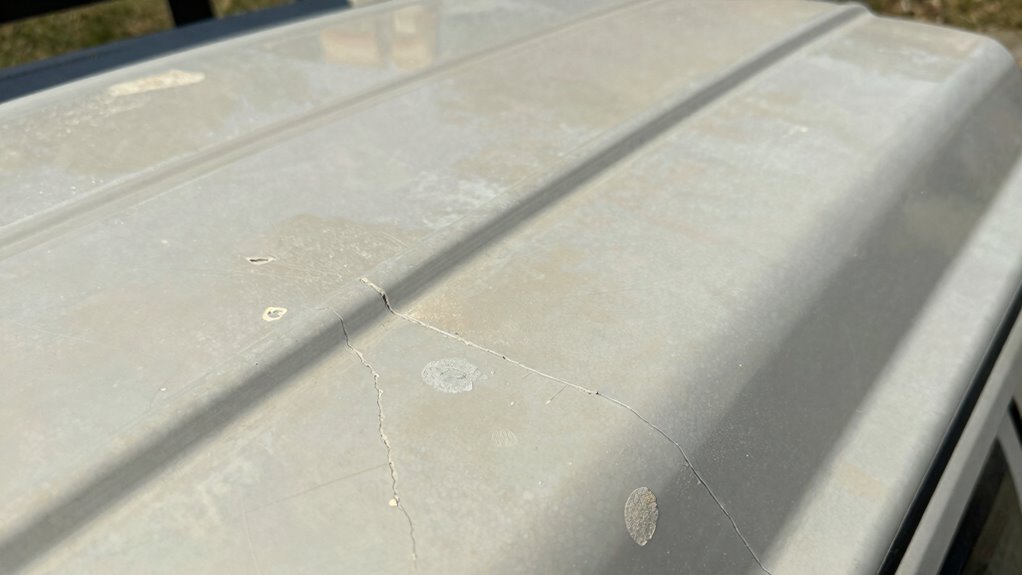
Before repairing your faded plastic, you need to assess the damage and understand the material you’re working with. Then, pick the right repair products that match your plastic type and the extent of the damage. Follow a clear, step-by-step process to guarantee your fix is effective and long-lasting. Incorporating environmentally friendly repair options can also help minimize the ecological impact of your restoration efforts. Additionally, choosing appropriate protective coatings can further enhance the durability and appearance of your repaired plastic. Knowing the top creative and gaming gear for pro users can also inspire you to select quality tools and materials for your repair projects, ensuring better results.
Assessing Damage and Material
When evaluating damage and determining the material of faded plastic, it’s essential to closely examine the cracks, chips, or surface irregularities present. This helps you assess the extent of surface degradation and understand the material’s durability. Look for signs of brittleness, discoloration, or softness, which indicate weakening. Check if the damage is superficial or penetrates deeper, affecting structural integrity.
Consider these points:
- Crack depth and length to gauge severity
- Surface texture for signs of degradation
- Color consistency to identify fading patterns
- Material flexibility to determine if it’s brittle or resilient
Understanding the damage’s nature helps you choose the right repair approach and prevents further deterioration. Proper assessment guarantees durable results and preserves your outdoor plastic surfaces.
Choosing the Right Repair Products
Choosing the right repair products is essential to effectively fix cracks and damage on faded plastic, guaranteeing your repair lasts and maintains the surface’s appearance. When selecting products, consider how color fading has affected the plastic’s surface, as this influences color-matching options. If material degradation has weakened the plastic, opt for repairs that include flexible, durable fillers designed to handle expansion and contraction. Use a repair kit specifically formulated for plastic surfaces to assure proper adhesion and longevity. Avoid generic fillers that may crack or peel over time. Paying attention to the type of plastic and the extent of damage helps you choose the right adhesive or patching material, preventing further deterioration and preserving the integrity of your outdoor plastic surfaces. Additionally, understanding regional flavors and insights can help you select repair products that are compatible with outdoor conditions and weather exposure, ensuring a more durable fix. Incorporating modern repair techniques can further enhance the longevity of your repair, especially in varying weather conditions.
Step-by-Step Repair Process
To begin repairing cracks and damage on faded plastic, gather all necessary tools and materials. Address issues like color fading and surface peeling by cleaning the area thoroughly with soap and water, then drying completely. Sand the damaged surface lightly to remove loose material and create a smooth base. Fill cracks with a plastic repair compound or epoxy, applying it carefully to guarantee it bonds well. Once dried, sand again for a seamless finish. Finally, paint the repaired area with a matching plastic spray paint to restore color and protect against future damage. Keep in mind, fading and peeling can worsen over time if not properly sealed. Regular touch-ups and protective coatings help maintain the plastic’s appearance longer.
Tips to Maintain and Extend the Life of Outdoor Plastic Items

To keep your outdoor plastic items looking their best, regular cleaning is essential—use gentle soaps and soft brushes to remove dirt without causing damage. Applying a protective coating can help shield against UV rays and fading, while proper storage prevents unnecessary wear and tear. By following these simple tips, you’ll extend the life of your plastic outdoor items considerably.
Regular Cleaning Techniques
Regular cleaning is essential for keeping outdoor plastic items looking their best and preventing deterioration. Consistent upkeep helps combat the effects of weather patterns, which can accelerate plastic degradation and lead to chalky surfaces. To effectively clean, start by removing loose dirt with a soft brush or hose. Use a mild soap or vinegar solution to scrub surfaces gently, avoiding harsh chemicals that can damage the plastic. Rinse thoroughly and dry with a soft cloth to prevent water spots. Regular cleaning not only restores appearance but also extends the lifespan of your outdoor plastic.
- Use gentle cleaning solutions like vinegar or mild soap
- Avoid abrasive scrubbers that scratch plastic surfaces
- Rinse thoroughly to remove residue
- Dry surfaces to prevent water spots and mold
Protective Coating Applications
Are you looking for an effective way to protect your outdoor plastic items from fading and damage? Applying a protective coating can considerably enhance UV resistance and coating durability, prolonging their lifespan. Use a high-quality, outdoor-rated spray or brush-on sealant designed for plastics. Before application, clean the surface thoroughly. For best results, choose a coating with UV inhibitors to prevent chalking and discoloration. Reapply every 1-2 years to maintain protection. Here’s a quick comparison:
| Coating Type | UV Resistance | Durability |
|---|---|---|
| Sealant A | High | Long-lasting |
| Sealant B | Moderate | Moderate |
| Sealant C | Low | Short-term |
Regular touch-ups ensure your plastic stays vibrant and protected.
Proper Storage Methods
Proper storage is key to keeping your outdoor plastic items looking their best and lasting longer. When not in use, store plastic items in a cool, dry place to prevent fading and chalkiness. Use sturdy storage containers to protect them from dust, dirt, and harsh weather. If you’re done with old or damaged plastic, consider plastic recycling options to reduce waste. Keep items away from direct sunlight, which accelerates sun-fading, and avoid stacking heavy objects on fragile plastics. Regularly clean your plastic items before storing to remove dirt that can cause surface deterioration. Proper storage not only prolongs the lifespan but also helps maintain their appearance. Make it a habit to organize and store outdoor plastics responsibly, ensuring they stay vibrant and functional for years to come.
Frequently Asked Questions
Can Sun-Faded Plastic Be Permanently Restored?
Yes, you can often permanently restore sun-faded plastic using chemical restoration products designed specifically for plastics. These treatments penetrate and revive the surface, making it look newer. Natural remedies like vinegar or baking soda can help clean and brighten, but may not fully restore fading. For best results, follow manufacturer instructions for chemical restorers, and consider combining treatments for a longer-lasting, more vibrant finish that resists future fading.
Which Environmental Factors Accelerate Plastic Fading?
Sun-fading plastic can happen faster than you’d believe, especially when exposed to harsh environmental factors. UV exposure is a major culprit, breaking down the plastic’s surface and causing color loss. Atmospheric pollution, including smog and acidic rain, also accelerates fading by chemically reacting with the surface. Together, these elements rapidly degrade your outdoor plastics, making it essential to protect them with covers or UV-resistant coatings to prolong their vibrant look.
Are There Eco-Friendly Options for Restoring Faded Plastic?
Yes, there are eco-friendly options for restoring faded plastic. You can use biodegradable cleaners that are gentle on the environment and effective at removing dirt and oxidation. Natural restoration methods, like scrubbing with a mixture of baking soda and water or applying natural oils, can also help rejuvenate plastic surfaces. These approaches restore color and shine without harming surrounding ecosystems, making them sustainable choices for outdoor maintenance.
How Often Should Outdoor Plastic Be Cleaned to Prevent Fading?
You should clean outdoor plastic at least once every few months to prevent fading, especially if it’s exposed to sun. Regular cleaning removes dirt and debris that can accelerate sun damage. Incorporate sun protection measures, like applying UV-resistant coatings or using covers, to extend its vibrant appearance. Adjust cleaning frequency based on your local climate; more frequent cleanings help maintain color and prevent chalky buildup.
Does Plastic Type Affect Its Fading and Restoration Process?
Yes, plastic type affects fading and restoration. Different plastics contain varied plastic chemicals that influence how they fade over time. For example, polyethylene resists UV damage better than PVC. Surface treatments can also enhance durability and restore faded plastic, but their effectiveness depends on the specific plastic chemical composition. Knowing your plastic type helps you choose the right cleaning methods and surface treatments to minimize fading and improve restoration results.
Conclusion
By following these tips, you can breathe new life into your sun-faded plastic and keep it looking vibrant for years to come. Regular cleaning, proper protection, and timely repairs will help you avoid the heartbreak of seeing your outdoor treasures turn chalky again. Think of it as your own personal renaissance—restoring beauty and resilience to your cherished items. Don’t let the sun’s harsh kiss rob your outdoor paradise of its charm; take action today!