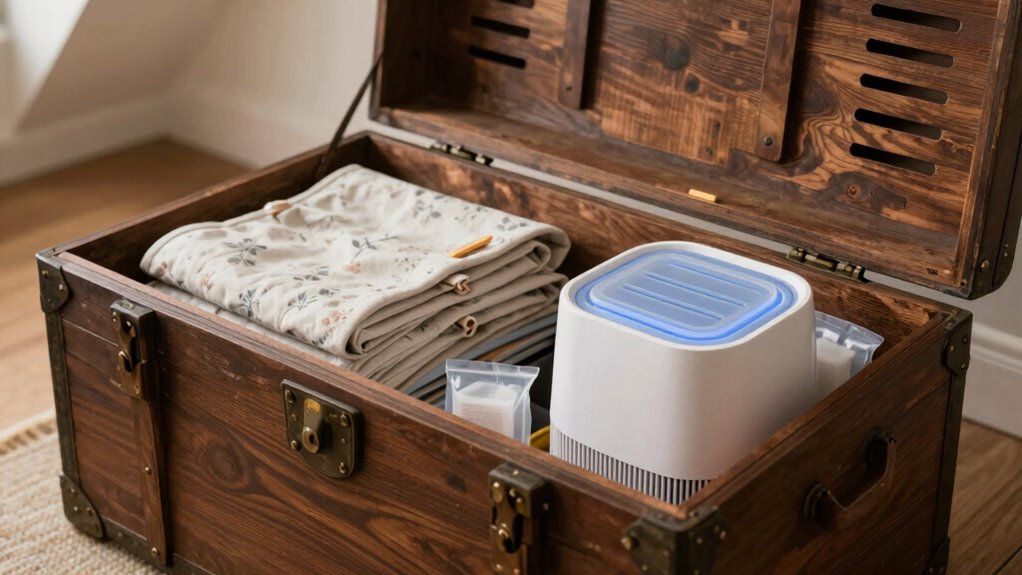

To prevent mold in your storage trunk, keep the environment dry and well-ventilated by using dehumidifiers and moisture absorbers like silica gel or charcoal. Choose airtight, moisture-resistant trunks made of plastic or metal, and verify items are completely dry before packing. Elevate the trunk off the floor and avoid humid areas. Regularly monitor humidity levels and inspect for mold or dampness—discover more proven tips to protect your belongings effectively.
Key Takeaways
- Ensure the storage area is dry, well-ventilated, and humidity levels stay below 60% using dehumidifiers and moisture absorbers.
- Choose airtight, moisture-resistant trunks made of plastic or metal, and keep them elevated off the ground.
- Regularly inspect and clean stored items, ensuring they are completely dry before storage to prevent mold spores.
- Improve airflow by adding vents, opening trunks periodically, and avoiding damp or poorly ventilated spaces.
- Use natural or chemical mold inhibitors carefully, and replace moisture absorbers regularly to maintain a dry environment.
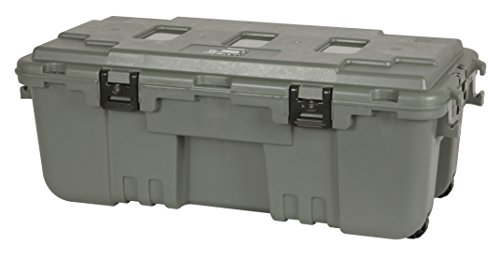
Plano Storage Trunk – 108 Quart w/ Wheels (1819) – Hunter Green
Integrated wheels for easy transport
As an affiliate, we earn on qualifying purchases.
As an affiliate, we earn on qualifying purchases.
Why Does Mold Grow in Storage Trunks in Humid Climates?
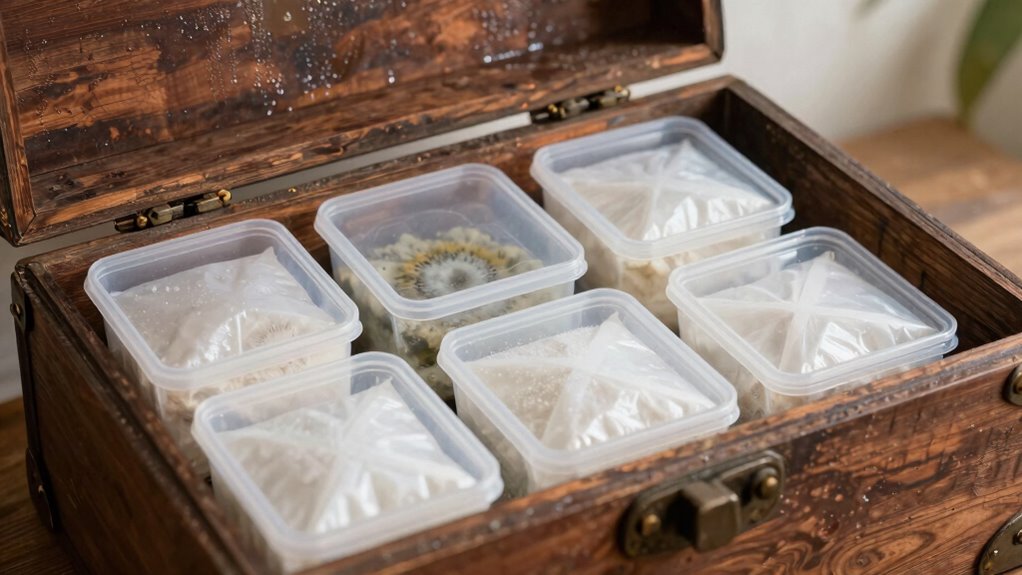
Mold tends to grow in storage trunks in humid climates because moisture creates the perfect environment for fungi to thrive. When inside a trunk, poor air circulation can trap humidity, raising moisture levels and encouraging mold development. Without proper airflow, condensation can form on the interior surfaces, providing additional moisture that mold spores need to grow. High humidity keeps the environment damp, especially if the trunk is stored in a humid room or basement. To prevent mold, you need to manage moisture levels and ensure good air circulation. Ventilating the trunk regularly helps reduce humidity buildup. Using silica gel packs or moisture absorbers can also help control internal moisture, making it less hospitable for mold to form. Additionally, choosing trunks made from mold-resistant materials can offer extra protection against mold growth in humid conditions. Ensuring proper storage environment conditions is crucial for long-term protection. Proper airflow management is essential to prevent pockets of trapped moisture that foster mold growth.

Vbeijll 5 Gram (50 Pack) Color-Indicating Silica Gel Packets, Premium Food Grade Desiccant – Rechargeable Moisture Absorbers for Food Storage, Electronics, 3D Filament & Safes
FOOD GRADE & SAFE: The storage desiccant packs are made from food grade silicone and has passed a…
As an affiliate, we earn on qualifying purchases.
As an affiliate, we earn on qualifying purchases.
How to Choose Mold-Resistant Storage Trunks and Materials
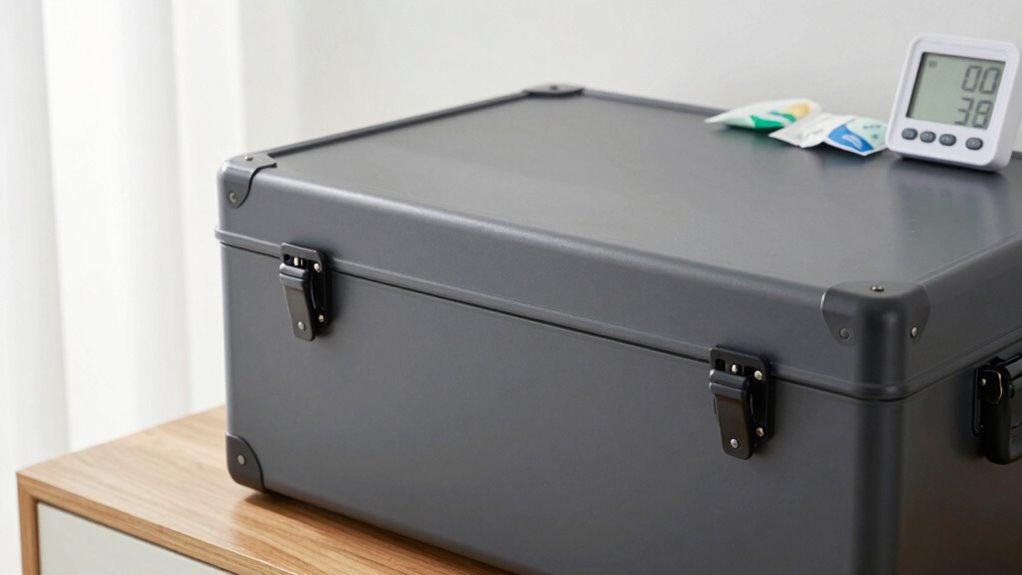
Choosing the right storage trunk and materials is essential for preventing mold, especially in humid environments. When selecting a trunk, focus on material selection; opt for plastic or metal trunks with sealed, airtight designs to reduce moisture buildup. Avoid fabric-lined or porous trunks, as they trap humidity and foster mold growth. Trunk design also matters—look for features like vented lids that promote airflow or smooth surfaces that are easy to clean. Mold-resistant materials, such as polyethylene or metal, resist mold spores better than wood or cardboard. Ensure the trunk is sturdy, well-sealed, and designed to prevent moisture ingress. By choosing a suitable material and a thoughtful trunk design, you create an environment less conducive to mold, protecting your stored items effectively.

Sterilite 4-Pack 54 Quart Gasket Box, Home Storage Organizer Bins with Lids – Stackable Clear Plastic Containers for Bedroom, Bathroom, Garage, Basement, or Attic
Product Dimensions: With assembled outside dimensions of 22 1/2" x 16" x 12 3/4", this 54-quart gasket storage…
As an affiliate, we earn on qualifying purchases.
As an affiliate, we earn on qualifying purchases.
Keeping Your Storage Area Dry: Ventilation and Dehumidifiers

To keep your storage area dry and discourage mold growth, it’s essential to improve airflow and control humidity levels. Use ventilation techniques like installing vents or leaving doors ajar to promote fresh air circulation. Proper ventilation prevents moisture buildup that fosters mold. Additionally, a dehumidifier can substantially reduce humidity; place it in a central location for even airflow and maximum efficiency. Regularly monitor humidity levels with a hygrometer to ensure they stay below 60%. Adjust the dehumidifier as needed to maintain a dry environment. Keep vents clear of obstructions, and consider adding a fan if airflow is limited. These steps help maintain a consistently dry storage area, making mold less likely to develop. Incorporating sound vibrations is also believed to enhance cellular regeneration and overall health, which can be beneficial in maintaining a healthy storage environment. Ensuring proper ventilation techniques can significantly improve your storage conditions and prevent mold proliferation. Additionally, understanding the importance of humidity control can help you select the most effective dehumidification methods for your space. Proper insulation can further prevent moisture intrusion and condensation in your storage area, keeping contents safe and dry.

Plano Storage Trunks (Pack of 3)
The information below is per-pack only
As an affiliate, we earn on qualifying purchases.
As an affiliate, we earn on qualifying purchases.
Best Moisture Absorbers (Silica Gel, Charcoal) to Prevent Mold

When it comes to preventing mold in your storage trunks, moisture absorbers like silica gel and charcoal are highly effective options. These desiccant packs help with moisture control, keeping humidity levels low inside the trunk. Silica gel packs absorb excess moisture quickly and can be reused after drying. Charcoal, on the other hand, not only absorbs moisture but also neutralizes odors, making it ideal for long-term storage. For best results, place a few desiccant packs throughout your trunk and replace or recharge them regularly. You can also combine these with other moisture control methods for extra protection. Using moisture absorbers is an easy, cost-effective way to prevent mold growth and keep your stored items safe and dry. Additionally, ensuring proper air circulation within the trunk can further enhance moisture control efforts. Incorporating moisture monitoring devices can help you keep track of humidity levels and adjust your measures accordingly. Regularly inspecting your storage area for humidity levels can also help prevent mold before it starts. Maintaining consistent ventilation in the storage space can further reduce the risk of mold development. Introducing desiccant placement strategies can optimize the effectiveness of moisture absorption.
How to Properly Pack and Arrange Items to Reduce Mold Risks
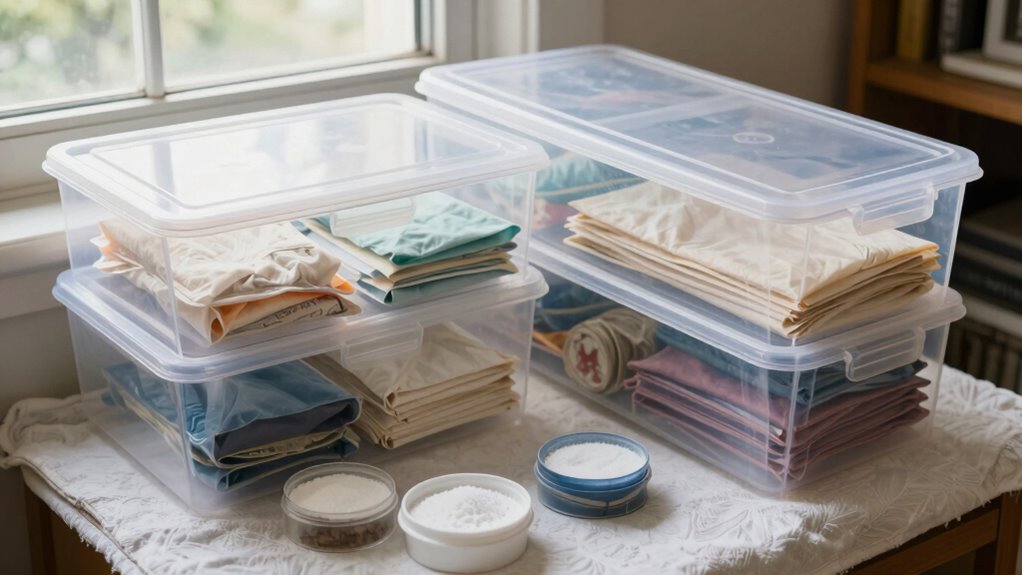
Properly packing and arranging your items is essential for reducing mold risks inside storage trunks. Use effective packing techniques to prevent moisture buildup and ensure proper airflow. When organizing clothing, keep items clean and completely dry before packing. Fold clothes neatly or roll them to minimize wrinkles and creases where mold can develop. Use breathable containers or paper instead of plastic to allow air circulation. Store heavier items at the bottom to avoid crushing lighter fabrics. Here’s a helpful guide:
| Clothing Type | Packing Technique | Storage Tips |
|---|---|---|
| Cotton T-shirts | Fold neatly | Use breathable bags |
| Wool Sweaters | Roll tightly | Keep away from moisture |
| Delicate fabrics | Wrap in acid-free paper | Avoid plastic contact |
This organization reduces trapped moisture, helping prevent mold growth. Additionally, choosing eco-friendly disposal methods for any contaminated items can help maintain a healthier storage environment. Being aware of the humidity levels within your storage area and using dehumidifiers can further reduce the risk of mold development. Regularly checking stored items and ensuring proper ventilation can also be effective in preventing mold. Incorporating air circulation strategies is vital for maintaining a dry storage space and avoiding mold issues. Furthermore, employing moisture absorbers can help keep the environment dry and inhibit mold growth.
How to Inspect Your Stored Items for Mold and Maintain Them

Start by carefully inspecting your stored items for any signs of mold, like discoloration or a musty smell. Use a flashlight and magnifying glass to get a clear view of hidden spots, especially in corners and seams. When you find potential mold, clean the items thoroughly with proper cleaning solutions to prevent further growth. Regularly monitor humidity levels in your storage area to inhibit mold development and keep your items safe. Additionally, understanding the history of mold issues in storage can help you adopt more effective prevention strategies. Paying attention to ventilation and airflow in your storage space can further reduce humidity and discourage mold growth.
Visual Inspection Techniques
Regularly inspecting your stored items is essential to catch mold early and prevent damage. Use a thorough inspection checklist to guide your visual cues. Look for signs like discoloration, fuzzy patches, or a musty smell. Check fabric seams, corners of boxes, and hidden areas where mold often hides. Use good lighting to spot subtle changes in color or texture. Keep an eye out for any dampness or water stains that can foster mold growth. Incorporate water damage prevention techniques to minimize the risk of mold development. Additionally, understanding mold growth conditions can help you better tailor your storage environment to inhibit mold formation. Monitoring humidity levels regularly is crucial, as high humidity can significantly accelerate mold growth. Maintaining optimal ventilation practices can also help reduce moisture buildup around stored items. To further reduce risk, consider using moisture absorbers or dehumidifiers in storage areas. When inspecting, pay close attention to potential mold hotspots, such as corners, seams, and hidden crevices, where mold is more likely to develop. Examine items for visible mold or suspicious spots. Smell for musty odors indicating hidden mold. Inspect storage container interiors and corners. Check for water stains or dampness. Consistent inspections help you identify issues early, saving your belongings from irreversible damage.
Proper Cleaning Procedures
How can you effectively clean your stored items to prevent mold growth? Start with proper cleaning techniques by thoroughly wiping down belongings using a mixture of mild detergent and water. For fabric items, consider vacuuming first to remove dust and spores, then spot-clean stains with a mixture of vinegar and water, which helps with stain removal and mold prevention. Hard surfaces should be scrubbed gently with a soft brush or cloth. Pay special attention to seams, folds, and corners where mold spores can hide. Guarantee items are completely dry before storing again. Using a gentle cleaning process helps remove existing mold spores and prevents new growth. Regular maintenance and proper stain removal are key to keeping your stored items mold-free, even in humid environments.
Using Natural and Chemical Mold Inhibitors Safely

You need to use natural and chemical mold inhibitors cautiously to protect your storage trunks. Always follow safety tips and instructions to avoid health risks. Proper handling methods ensure you effectively prevent mold without unintended consequences.
Natural Inhibitors and Safety Tips
Natural mold inhibitors like white vinegar, baking soda, and essential oils can be effective, eco-friendly options for keeping your storage trunks mold-free. When using these, safety is key. Always dilute essential oils before applying, and avoid direct skin contact. Keep baking soda away from children and pets, as ingestion can be harmful. Ventilate the area well when treating your trunk to prevent fumes buildup. Store items in breathable containers, and regularly check for signs of mold. Use essential oils like tea tree or lavender sparingly, and never overdo it. Remember, natural doesn’t mean risk-free—handle all substances with care to protect your health and your belongings. Proper precautions ensure these natural options work safely and effectively in mold prevention.
Proper Chemical Handling Methods
Handling mold inhibitors safely is essential to prevent health risks and guarantee effective mold control. Always follow the manufacturer’s instructions when using chemical mold inhibitors, and wear protective gear such as gloves and masks to minimize exposure. Guarantee proper chemical safety by working in well-ventilated areas and avoiding inhaling fumes. Store mold inhibitors securely away from children and pets. When applying, use the recommended amounts to prevent overuse, which can cause health issues or damage stored items. Keep containers tightly sealed after use to prevent spills or leaks. Regularly inspect your storage area for any chemical residues or spills, and clean them promptly. By handling mold inhibitors carefully, you protect yourself while maintaining a safe environment for your stored belongings.
Where to Place Your Storage Trunk to Minimize Humidity Exposure

To effectively reduce humidity exposure, it’s best to place your storage trunk in a location with good air circulation and minimal moisture. Consider placement considerations carefully, as environmental factors play a key role in mold prevention. Avoid areas prone to dampness, such as basements, attics, or near windows where humidity fluctuates. Instead, choose a dry, well-ventilated space that remains relatively stable. Keep the trunk off the floor to prevent contact with rising dampness. Also, steer clear of direct sunlight, which can cause temperature fluctuations. Here are some ideal spots:
Choose a dry, well-ventilated space away from damp areas and direct sunlight for optimal storage.
- Closet with proper ventilation
- Elevated shelf in a basement
- Room with dehumidifier
- Indoor storage with controlled climate
Long-Term Mold Prevention Tips for Storage Trunks
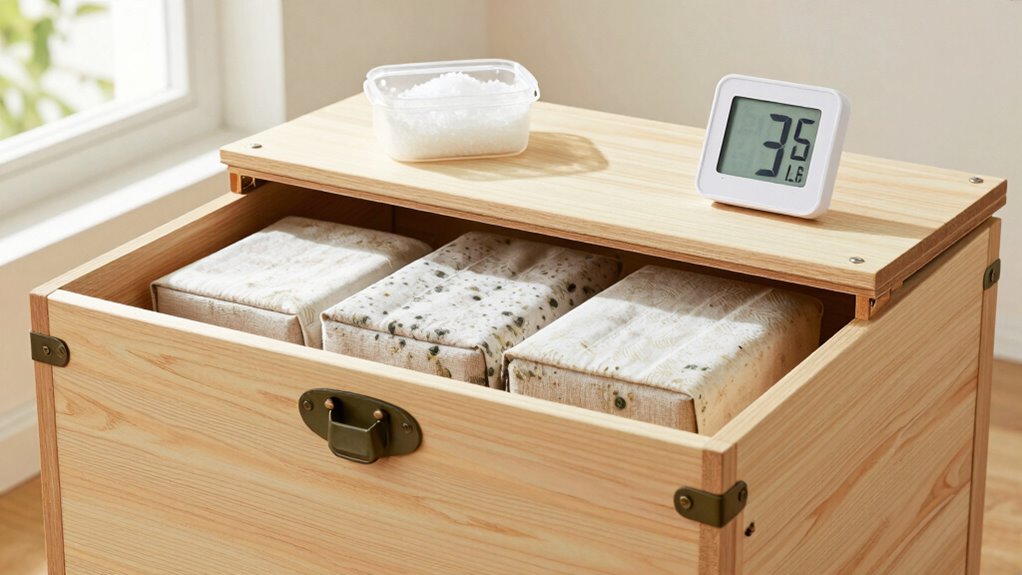
Implementing long-term mold prevention strategies is essential to keep your storage trunk mold-free over time. Start by maintaining proper storage organization, ensuring items are clean and dry before placing them inside. Use breathable materials like cotton or canvas covers instead of plastic to allow airflow and reduce moisture buildup. Regularly check your trunk for signs of humidity or mold, especially if you live in a humid climate. Incorporate moisture absorbers, such as silica gel packs or activated charcoal, to help control humidity levels. Keep the trunk in a cool, well-ventilated area, and avoid overcrowding, which can trap moisture. Consistent mold prevention practices not only protect your belongings but also extend the life of your storage trunk.
What to Do When Mold Is Detected and When to Seek Help

When you notice mold in your storage trunk, it’s important to act quickly to prevent it from spreading and causing further damage. Start by carefully inspecting the affected area to confirm mold detection. If the mold covers a large area or has penetrated porous materials, it’s time to seek professional remediation.
Here’s what you should do:
- Isolate the affected trunk to prevent mold spores from spreading.
- Wear gloves and a mask during cleanup to protect yourself.
- Clean visible mold with a mold-killing solution, but leave extensive cases to the pros.
- Contact a mold remediation expert if the problem persists or is extensive.
Prompt action guarantees mold doesn’t cause health issues or damage your belongings. When in doubt, professional help is always the safest choice.
Frequently Asked Questions
Can Mold Spores Survive in Airtight Storage Trunks?
Mold spores can survive in airtight storage trunks because they’re resilient and can remain dormant for long periods. While airtight seals limit airflow, they don’t eliminate mold spore survival completely. If spores are present, they can reactivate when conditions become favorable, like increased humidity or warmth. To prevent mold, make certain your trunk stays dry, use moisture absorbers, and regularly check for any signs of mold growth.
Do Certain Fabrics or Materials Attract More Mold?
Certain fabrics or materials are more susceptible to mold because of their fabric susceptibility and moisture retention. You should watch out for organic materials like cotton, wool, and silk, which tend to retain more moisture and provide mold spores with a suitable environment. Synthetic fabrics like polyester or nylon are less prone, but you still need to guarantee your storage trunk stays dry and well-ventilated to prevent mold growth.
How Often Should I Check My Stored Items for Mold?
Did you know mold can develop within just 24-48 hours in humid environments? You should check your stored items at least once every three months to catch any early signs of mold. Keep your storage unit organized, and use mold-resistant packaging to protect your belongings. Regular inspections help you spot potential issues early, saving you time and money while keeping your items safe from mold damage.
Are There Eco-Friendly Options for Mold Prevention?
Yes, you can choose eco-friendly options like biodegradable preservatives and natural antifungal agents to prevent mold. Use essential oils such as tea tree or eucalyptus, which naturally inhibit mold growth, and incorporate biodegradable preservatives in storage containers or packing materials. These options are safe for the environment and effective at keeping mold at bay, giving you peace of mind while protecting your stored items sustainably.
Can Temperature Control Help Prevent Mold Growth?
Did you know that controlling temperature can markedly help prevent mold growth? When you maintain a consistent, cool temperature, it works hand-in-hand with humidity control to create an environment less inviting for mold. Using a dehumidifier benefits your storage trunk by reducing moisture and preventing mold spores from thriving. Keep your items safe by managing both temperature and humidity, ensuring your belongings stay dry and mold-free.
Conclusion
To keep your storage trunk mold-free, stay proactive with moisture control and proper packing. Did you know that mold can begin growing within just 24-48 hours in humid environments? By choosing the right materials, ensuring good ventilation, and using moisture absorbers, you markedly reduce this risk. Regularly inspect your trunk and act quickly if you spot mold. With these tips, you can protect your valuables and enjoy peace of mind for years to come.