
TL;DR
A Hunker report says musty towels are commonly linked to lingering moisture, detergent or fabric-softener residue, and poor airflow during drying or storage. Its practical advice is to dry towels completely, wash with less detergent and avoid overcrowding closets; the report does not provide independent testing or quantify how often each cause occurs.
A Hunker home-care report says musty towel odors are often tied to lingering moisture, laundry residue or inadequate airflow, and recommends drying towels fully before putting them away. The advice matters for households trying to prevent clean towels from smelling stale after storage, though the report does not include testing or data showing how frequently each cause occurs.

Get home appliances delivered free with Prime
- Fast, free delivery on millions of items
- Prime Video, Amazon Music and more included
- Member-only deals all year
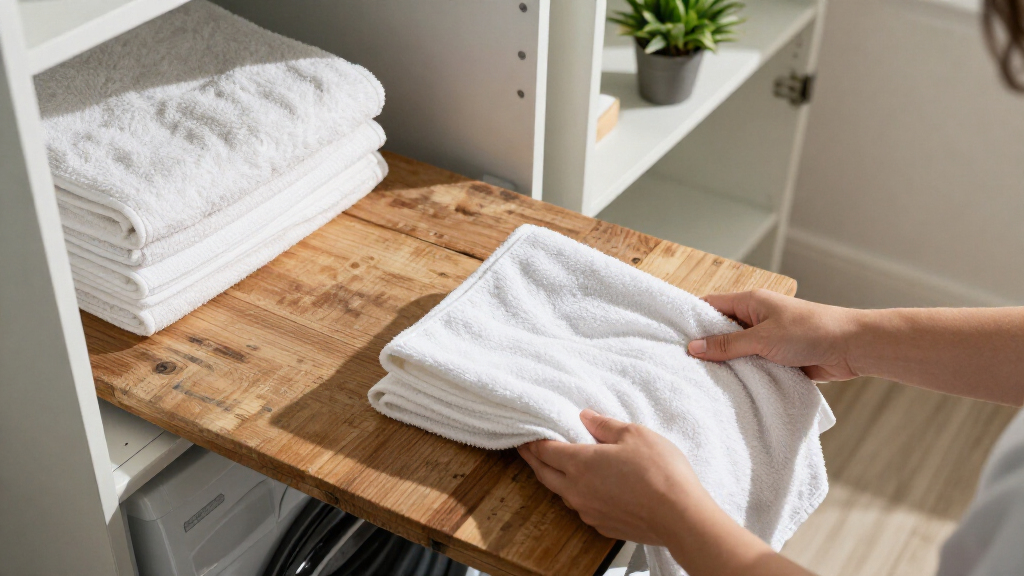
The report identifies dampness as a common source of the odor. Towels may retain moisture if they are stored before they are completely dry, left wet before washing, or left sitting in a dryer after a cycle. The article says lingering dampness can allow bacteria and mold to develop, producing a musty smell. It recommends removing washed towels promptly and making sure they are fully dry before closet storage.
Laundry habits may also contribute, according to Hunker. The report says using too much detergent or using fabric softener can leave residue on towels, which may make them feel stiff or scratchy and contribute to odor problems. It also names a moldy washing machine as another possible source. For towels that already smell musty, the article suggests washing them in hot water to help dissolve odor-causing oils and residue; it does not specify a temperature, fabric-care exceptions or a tested wash procedure.
For drying, Hunker recommends hanging towels separately on a rack so air can circulate around them. It cautions that towels bunched together on hooks may stay damp longer, and says drying locations should have good airflow. If towels must be hung in a bathroom, the report advises keeping them a few feet from the shower. It also suggests outdoor sun drying where feasible, while reminding readers to check applicable homeowners association rules. Once dry, towels should be stored with enough space around them to avoid restricting ventilation.
Keeping Moisture Out of Stored Towels
The advice addresses a familiar household problem: a towel can smell stale even after laundering if it remains damp during drying or storage. Focusing on complete drying and air circulation gives readers practical points to check before repeatedly rewashing towels or adding more laundry products. The recommendations also distinguish between problems that may arise during washing and those that can develop afterward in a crowded closet.
The report’s guidance is general home-care advice, not a diagnostic test. A persistent smell could have more than one cause, including a damp storage space or residue in the washer. Its value is in offering a short set of low-effort adjustments, while leaving room for readers to check towel care labels and the condition of their own laundry equipment.
Products Worth Considering

eufy C28 Robot Vacuum and Mop with 15,000 Pa Suction

Dyson V12 Detect Slim Absolute Cordless Stick Vacuum

Dyson V8 Motorhead Origin Cordless Vacuum
As an affiliate, we earn on qualifying purchases.
From Washing to Closet Storage
The report frames towel odor as a problem that can begin at several points in the laundry process: before washing, during washing, while drying, or after the towels are put away. Its main emphasis is that moisture can persist even when a towel appears clean, and that restricted airflow can slow drying or keep stored linens from airing out.
It also separates drying advice from storage advice. Towels should be spread out while drying, kept away from humid shower air when possible, and placed in a closet only once fully dry. The report says an overfilled linen closet can impede airflow, so leaving space between linens is part of the same moisture-prevention approach.
What the Report Does Not Establish
The supplied report does not cite research, expert interviews or measurements to establish how often moisture, detergent residue, fabric softener or washer mold causes musty towels. It does not compare the effectiveness of its suggested steps or give a precise threshold for how much detergent to use, how long towels should dry, or how far from a shower they should hang beyond advising a few feet.
The hot-water suggestion is also not tailored to particular towel materials or care labels. Readers should follow the instructions on their towels and laundry products. The report does not explain how to inspect or clean a washing machine if mold is suspected, nor does it distinguish visible mold from other sources of persistent odor.
Practical Checks Before Towels Go Away
Hunker offers no follow-up study or scheduled update in the supplied material. For readers applying the advice, the next steps are to check whether towels are fully dry, spread them out in a well-ventilated place, avoid leaving wet laundry sitting, and reduce detergent or skip fabric softener if towels feel coated or stiff. Towels should be washed according to their care labels, and the washer can be checked if odors continue.
After drying, readers can leave space between towels in the closet rather than packing linens tightly together. If the smell persists despite changes to drying, washing and storage, the source may not be addressed by these general tips; the report does not provide a more specific diagnosis.
Key Questions
What does the report identify as a common cause of musty towels?
Hunker points to lingering moisture, including towels stored before they are completely dry or left bunched up with limited airflow. It also mentions laundry residue and a potentially moldy washing machine.
How should towels be hung to help them dry?
The report recommends hanging towels separately on a rack, with enough space for air to circulate. It cautions that towels bunched on hooks may remain damp and advises choosing a well-ventilated location.
Can detergent or fabric softener contribute to towel odor?
According to the report, excess detergent and fabric softener can leave residue that makes towels feel stiff or scratchy and may contribute to odor problems. It does not provide a specific recommended detergent amount.
Should musty towels be washed in hot water?
Hunker suggests hot water for musty towels to help dissolve odor-causing oils and residue. The report does not give a temperature or discuss material-specific limits, so readers should check towel care labels before washing.
How can towels be stored to keep them fresh?
Put towels away only when completely dry, and avoid packing the linen closet so tightly that airflow is restricted. The report also recommends drying towels away from humid shower air when possible.
Source: rss